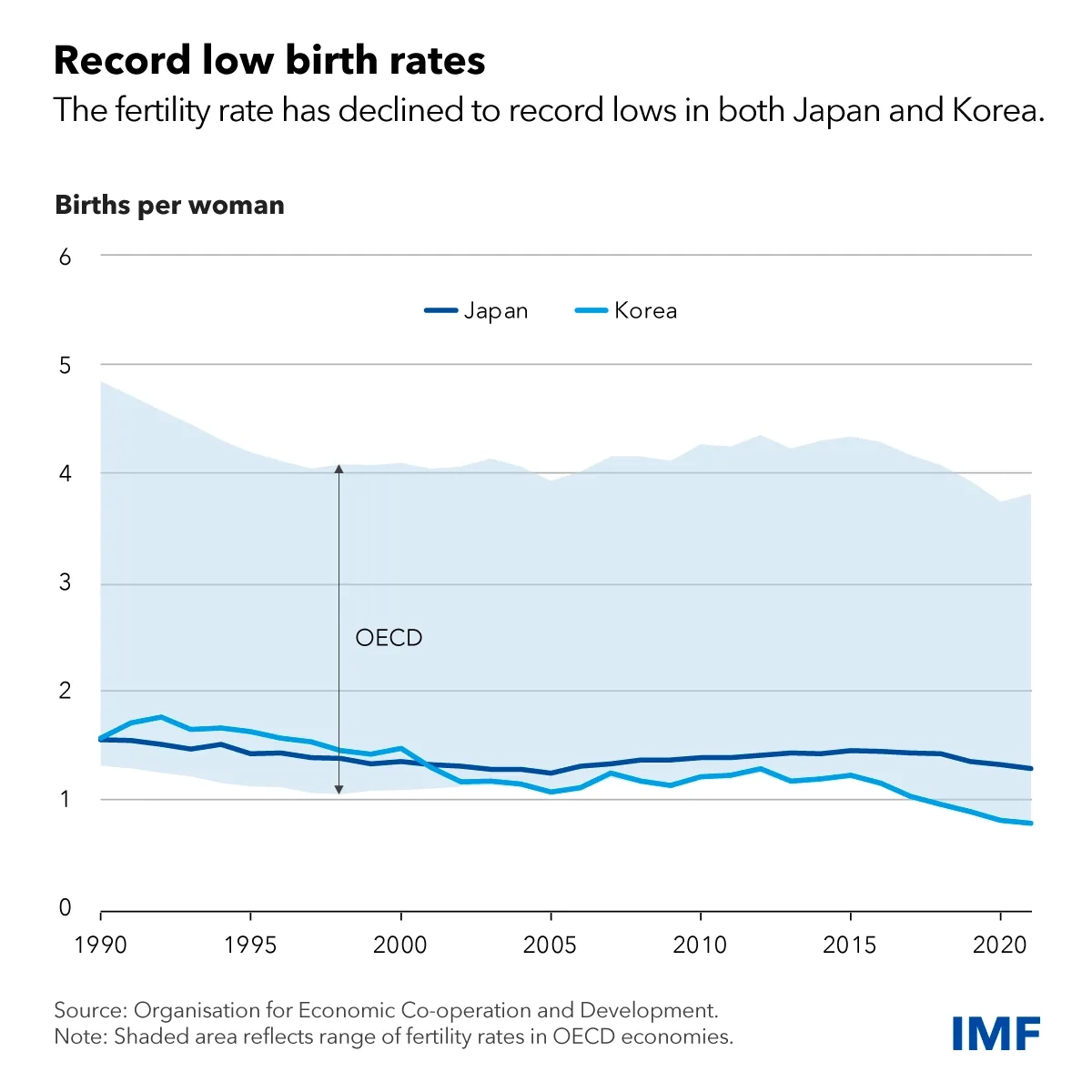
In an era where plummeting birth rates and aging populations present a systemic challenge to societal stability, local governments are increasingly tasked with creating environments where starting a family is not just viable, but supported. In South Korea, Sunchang-gun in Jeonbuk Province has emerged as a notable example, implementing a comprehensive, life-cycle tailored support system designed to assist parents from the earliest stages of pregnancy through the complexities of early childhood rearing.
This “one-stop” service model aims to eliminate the fragmented nature of maternal and infant care by consolidating health, financial, and educational resources. By focusing on a holistic approach, Sunchang-gun is attempting to transform the region into a “child-friendly” haven, addressing both the medical necessities and the emotional stressors associated with modern parenthood.
At the heart of this initiative is the Sunchang-gun pregnancy and childcare support framework, which integrates specialized medical care with significant financial incentives. The strategy is anchored by the Happiness Center, a dedicated facility that serves as the primary hub for integrated services, ensuring that expectant mothers and new parents do not have to navigate multiple bureaucratic channels to receive essential care.
The Happiness Center: A Centralized Hub for Maternal Wellness
The Happiness Center, located on the site of the former medical center, functions as the operational core of Sunchang-gun’s maternal health strategy. Rather than offering isolated services, the center provides a continuum of care that begins with pregnancy preparation and extends into the postpartum period. This includes prenatal health management, official registration for expectant mothers, and the provision of essential supplements such as folic acid and iron, which are tailored to different stages of pregnancy according to local reports.
Beyond clinical support, the center emphasizes the psychological and social well-being of parents. It features dedicated shelters for mothers and specialized play areas for infants, providing a necessary respite for parents facing the exhaustion of early childcare. The center similarly hosts a variety of wellness and educational programs, including:
- Prenatal and Postnatal Education: Courses designed to prepare parents for the physical and emotional transitions of childbirth.
- Specialized Fitness: Pilates classes specifically for women of childbearing age and health-focused ballet classes for toddlers.
- Community Engagement: “One-day classes” that allow parents to connect and share experiences in a supportive environment.
Financial Incentives and Economic Safety Nets
Recognizing that the cost of raising a child is a primary deterrent for young couples, Sunchang-gun has deployed aggressive financial support mechanisms. The county has allocated significant funding to reduce the immediate economic burden on new families. For 2024, the county invested 430 million KRW into various birth-related supports, including prenatal testing and health manager services as reported by Newsis.
The financial architecture is divided into direct grants and vouchers. The birth encouragement grants are tiered based on the number of children, with the maximum support reaching 15 million KRW for the fourth child and beyond. To provide immediate liquidity for newborn essentials, the “First Encounter Voucher” (첫만남이용권) provides 2 million KRW for the first child and 3 million KRW for the second child per official updates.
| Support Type | Benefit Detail | Maximum Amount |
|---|---|---|
| Birth Encouragement Grant | Tiered by birth order (1st to 4th+) | 15 million KRW |
| First Encounter Voucher | 2M KRW (1st child) / 3M KRW (2nd child) | 3 million KRW |
| 2024 Total Budget | Prenatal tests, grants, and health managers | 430 million KRW |
The impact of these incentives is already visible in the data. As of July 2024, 117 individuals had received a total of 208.3 million KRW in birth encouragement grants according to regional statistics. The number of expected births by the finish of 2024 was projected at 86, an increase from 79 in the previous year, suggesting a positive correlation between these policies and local birth rates.
Medical Safety Nets and Emergency Response
From a public health perspective, the most critical component of Sunchang-gun’s system is the “dense safety net” designed to protect high-risk pregnancies and newborns. The county provides targeted medical expense support for infertility treatments, high-risk pregnancies, and the care of premature infants or those with congenital anomalies as detailed in recent reports.

One of the most vital innovations is the 119 Safe Ambulance Service. This system is specifically designed to handle the unique emergencies associated with pregnancy and infancy, ensuring that residents in rural or “childbirth-vulnerable” areas have rapid access to emergency medical transport. What we have is complemented by transport support for pregnant women who live in areas with limited access to obstetric care, ensuring that geography does not become a barrier to safe delivery.
To further support new parents, the county provides “Mother Boxes” and tangible childcare assets, such as bumper beds, baby tables, anti-reflux cushions, and baby carriers, reducing the initial capital expenditure required for newborn equipment according to local records.
Evaluating the ‘Child-Friendly’ Strategy
Sunchang-gun’s approach represents a shift from simple cash transfers to a comprehensive social service model. By integrating health management, financial aid, and emergency infrastructure, the county is addressing the multi-dimensional nature of the low birth rate crisis. The use of non-traditional promotional methods, such as screening birth-policy advertisements in local small cinemas, further indicates an effort to normalize and encourage family expansion within the community.
For global health observers, the Sunchang model highlights the importance of localized, integrated care. When medical services are bundled with financial security and community support, the perceived risk of parenthood decreases. The increase in registered pregnant women—currently numbering 100—serves as a primary indicator that these systemic changes are being noticed and utilized by the target population as verified by Newsis.
The next critical phase for Sunchang-gun will be the long-term monitoring of these birth rate trends to determine if the increase in deliveries translates into a sustainable population growth trend. Local officials are expected to continue refining the Happiness Center’s programs based on user feedback and updated health guidelines.
World Today Journal encourages readers to share their thoughts on local government interventions for birth rates in the comments below.
Worth a look
- Are Cucumbers Healthy? Nutrition Benefits and Facts
- Prince Harry Reveals “Alarming” Details About Prince William’s Hair Loss in ‘Spare
- Country Music Singer Zach John King Receives Support Amid Father’s Sudden Passing (archyde.com)
- Birth Control Pills Linked to Increased Binge Eating: New Study (archynewsy.com)