For decades, the global image of Hong Kong has been defined by a relentless drive for efficiency, a shrewd approach to business, and a culture of pragmatism that powers one of the world’s leading financial hubs. From the towering skyscrapers of Central to the fast-paced rhythm of its street markets, the city is often perceived as a bastion of the “rational” and the “practical.” Whereas, recent data suggests that beneath this polished, professional exterior lies a far more sensitive and idealistic interior.
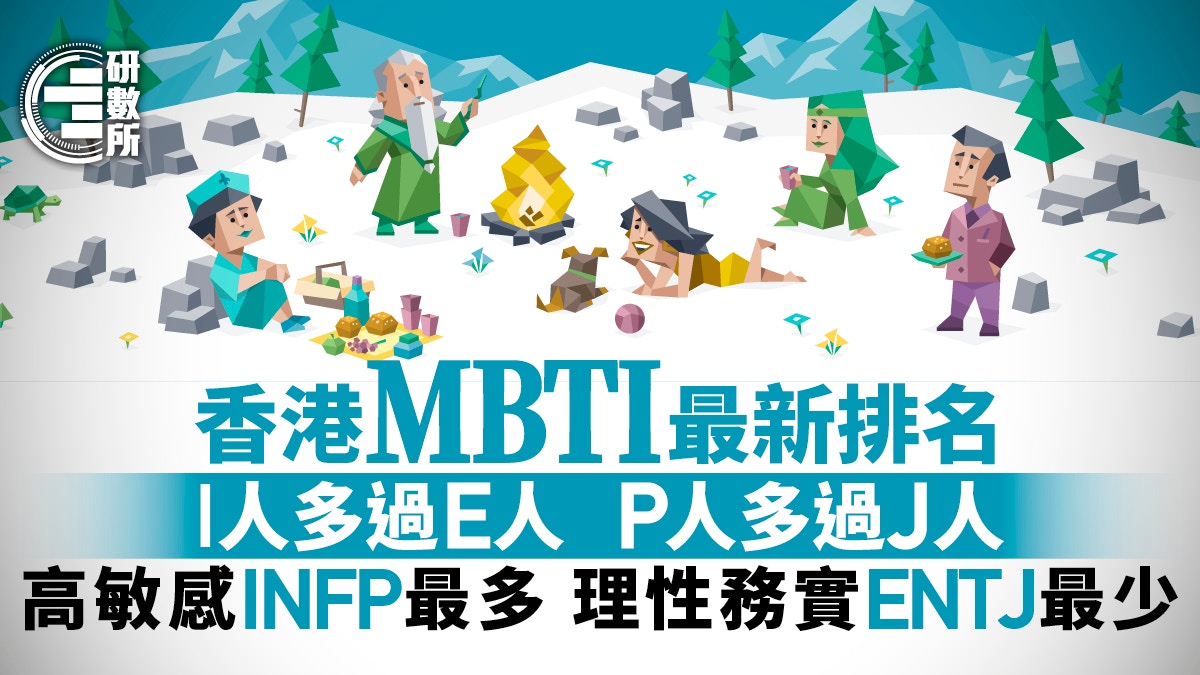
Novel statistics from the popular personality assessment platform 16Personalities have revealed a surprising trend in the psychological makeup of Hong Kong users. Contrary to the stereotype of the hard-nosed capitalist, the most prevalent personality type among those tested in the region is the INFP, known as the “Mediator”—a type characterized by high sensitivity, deep empathy, and a strong sense of idealism. This shift suggests a significant divergence between the public persona of the city and the internal emotional landscape of its residents.
The findings have sparked a wider conversation about the mental health and emotional well-being of people in one of the world’s most high-pressure urban environments. As the city navigates a complex post-pandemic era, the prevalence of “high-sensitivity” traits may reflect a growing need for emotional connection and a desire for social change, challenging the long-held belief that pragmatism is the sole driving force of the Hong Kong spirit.
The Data: A Shift Toward Sensitivity and Introversion
According to data compiled by 16Personalities statistics for Hong Kong, the INFP (Mediator) personality type currently leads the rankings, accounting for 13.54% of the tested population. INFPs are typically described as introverted, intuitive, feeling, and perceiving. They are often characterized by their ability to empathize deeply with others and their drive to bring about positive social improvements based on their internal values.
The top three most common personality types in the region follow a pattern of high empathy and intuition:
- INFP (Mediator): 13.54%
- ENFP (Campaigner): 12.68%
- ISFJ (Defender): 10.21%
When looking at the broader traits, the data indicates a slight tilt toward introversion and a significant lean toward emotional processing. “Introverts” (I) make up 50.4% of the sample, marginally outweighing “Extroverts” (E) at 49.6%. More striking is the divide between “Feeling” (F) and “Thinking” (T) types. Those who prioritize emotion and values (F) represent 57.7% of the group, significantly higher than the 42.6% who lean toward logic and objective analysis (T), as reported by recent MBTI rankings for Hong Kong.
The Rarity of the ‘Commander’ and the Pragmatism Paradox
Perhaps the most jarring aspect of the data is the scarcity of the ENTJ (Commander) personality type. Known for being decisive, strategic, and highly pragmatic, the ENTJ is the archetype of the corporate leader. Yet, in the Hong Kong sample, this type is the rarest, appearing in only 1.9% of the results. This creates a “pragmatism paradox”: while the city’s economic structures are built on ENTJ-style efficiency and logic, the people inhabiting those structures identify more closely with the sensitive and idealistic INFP.

This discrepancy has led to intense discussion among the public. Many residents have expressed disbelief, noting that the reality of living in Hong Kong—where competition is fierce and survival often requires a cold, calculated approach—seems incompatible with the “Mediator” personality. Some observers suggest that the “pragmatic” persona is a necessary mask worn for professional survival, while the INFP traits represent the authentic self that emerges in private or during self-reflection.
Analyzing the ‘Participation Bias’
From a statistical and psychological perspective, these results must be viewed with a degree of caution. Experts have pointed to the concept of “participation bias” (or self-selection bias) to explain why the results might not perfectly mirror the general population. Participation bias occurs when the people who choose to take a survey or test are not representative of the entire group.
In the context of MBTI testing, individuals who score higher in “Feeling” (F) and “Intuition” (N) traits—such as INFPs and ENFPs—are historically more interested in self-discovery, psychology, and understanding their internal emotional world. Conversely, those who are highly pragmatic or logic-driven (T types), such as ENTJs, may view personality tests as unscientific or a waste of time, making them less likely to participate in the statistics. The high percentage of INFPs may be a reflection of who is most likely to engage with the 16Personalities platform, rather than a definitive census of the city’s psychology.
Societal Implications and the ‘High Sensitivity’ Narrative
Despite the potential for statistical bias, the reaction to the data reveals a deeper societal trend. The results have triggered a wave of self-deprecating humor and serious discourse on social media, with some netizens suggesting that the prevalence of high-sensitivity types explains the city’s high rates of stress and emotional exhaustion. The term “high sensitivity” has become a focal point for residents attempting to reconcile their internal emotional struggles with the demanding expectations of their environment.
This narrative suggests that the “Mediator” dominance may be a symptom of a collective psychological state. In a city where the external environment is rigid and demanding, the internal leaning toward empathy and idealism may be a coping mechanism or a silent rebellion against the perceived coldness of urban corporate life.
Key Takeaways from the Hong Kong Personality Data
| Metric | Value/Percentage | Characteristic |
|---|---|---|
| Most Common Type | INFP (13.54%) | Sensitive, Empathetic, Idealistic |
| Rarest Type | ENTJ (1.9%) | Decisive, Strategic, Pragmatic |
| Introversion (I) vs Extroversion (E) | 50.4% vs 49.6% | Slight preference for Introversion |
| Feeling (F) vs Thinking (T) | 57.7% vs 42.6% | Strong preference for Emotional processing |
As the conversation evolves, the data serves as a reminder that quantitative metrics of personality can offer a window into the collective psyche of a city, even if they are not absolute. Whether these results represent a genuine shift in the Hong Kong identity or are simply a byproduct of who likes to take online tests, they highlight a growing appetite for emotional intelligence and sensitivity in a world that has long prioritized the bottom line.
The next step in understanding these trends will likely come from more academic, controlled psychological studies that account for participation bias, providing a clearer picture of how the residents of Hong Kong balance their inner ideals with the pragmatic demands of their city.
Do you believe the “pragmatic” image of Hong Kong is a myth, or is the data a result of who chooses to take the test? Share your thoughts in the comments below.
Related reading