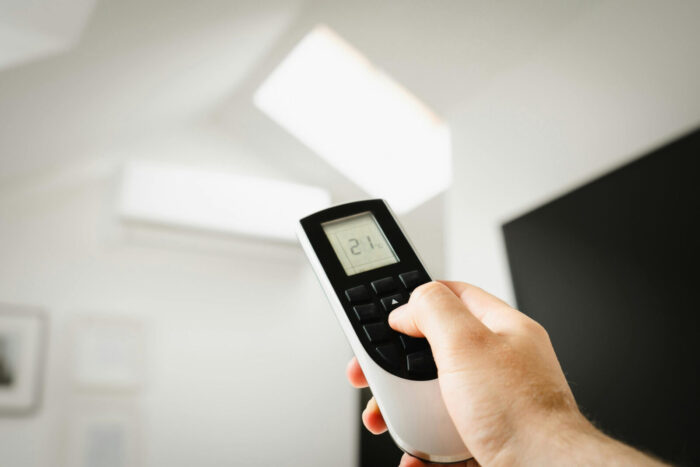
As temperatures climb and energy costs rise, homeowners face growing pressure to make smart decisions about their cooling systems. Yet many continue to operate under outdated assumptions that can lead to inefficiency, discomfort, and unnecessary expenses. Addressing these misconceptions is not just about saving money—it’s about ensuring comfort, reducing environmental impact, and making informed choices in an era of advancing technology.
Modern cooling systems have evolved significantly over the past decade, incorporating advancements in efficiency, smart controls, and environmentally friendly refrigerants. However, public understanding often lags behind innovation. This gap can result in poor purchasing decisions, inadequate maintenance, and missed opportunities to improve home comfort even as lowering energy use. Clarifying common myths helps consumers navigate the market with confidence.
One of the most persistent misunderstandings is that bigger air conditioning units always provide better cooling. In reality, an oversized system can short-cycle, turning on and off frequently, which reduces efficiency, increases wear and tear, and fails to properly dehumidify the air. Proper sizing, based on a home’s square footage, insulation, window exposure, and climate zone, is essential for optimal performance. The U.S. Department of Energy emphasizes that correct installation and sizing are critical factors in achieving energy efficiency, noting that improper installation can reduce system efficiency by up to 30%.
Another widespread myth is that setting the thermostat to a much lower temperature will cool a home faster. Air conditioners function at a consistent rate regardless of the temperature setting; lowering the thermostat does not make the system work harder or faster—it only makes it run longer to reach the set point. This can lead to overcooling and wasted energy. Experts recommend setting thermostats to a comfortable temperature, typically around 78°F when home, and using programmable or smart thermostats to adjust settings automatically based on occupancy and time of day.
Many homeowners also believe that closing vents in unused rooms saves energy. However, central air conditioning systems are designed to operate with balanced airflow. Closing vents increases pressure in the ductwork, which can lead to air leaks, reduced efficiency, and potential damage to the system over time. Instead of closing vents, improving insulation, sealing ductwork, and using zone control systems where appropriate are more effective strategies for managing energy use in different areas of the home.
The idea that air conditioners only need attention when they break down is another costly misconception. Regular maintenance—such as cleaning or replacing filters, checking refrigerant levels, inspecting electrical components, and cleaning coils—is vital for maintaining efficiency and extending system life. Neglecting maintenance can result in reduced airflow, higher energy consumption, and premature component failure. The Environmental Protection Agency recommends routine servicing to ensure optimal performance and indoor air quality.
Some consumers assume that newer technologies like variable-speed compressors or smart thermostats are unnecessary luxuries. In fact, these innovations offer measurable benefits. Variable-speed systems adjust cooling output to match demand, running longer at lower speeds to maintain consistent temperatures and humidity levels while using less energy. Smart thermostats learn household patterns and can be controlled remotely, optimizing energy use without sacrificing comfort. Studies have shown that smart thermostats can reduce heating and cooling costs by up to 8% when used effectively.
There is also confusion about refrigerants, particularly regarding the phaseout of older compounds like R-22 (Freon). While R-22 is no longer produced or imported in the United States due to its ozone-depleting properties, systems using it can still be serviced with recycled or stockpiled supplies. However, repairs are becoming increasingly expensive and tough. Newer systems use environmentally preferable refrigerants such as R-410A or R-32, which have lower global warming potential. Homeowners considering replacement should factor in long-term availability and environmental impact when choosing a system.
Finally, some believe that fans can replace air conditioners entirely. While ceiling and portable fans improve air circulation and create a wind-chill effect that makes occupants feel cooler, they do not lower room temperature. Fans are most effective when used in conjunction with air conditioning, allowing homeowners to set thermostats higher while maintaining comfort. Using fans strategically can reduce reliance on AC and lower energy use, but they are not a substitute for proper cooling in hot and humid climates.
Understanding how modern cooling systems truly work empowers homeowners to make better decisions about upgrades, maintenance, and daily use. By moving beyond outdated myths and embracing verified information, individuals can enhance comfort, reduce energy bills, and contribute to broader efforts to improve energy efficiency in residential buildings.
For those seeking to upgrade or maintain their systems, consulting licensed HVAC professionals and referring to resources from authoritative sources like the U.S. Department of Energy’s Energy Saver guide or the Environmental Protection Agency’s ENERGY STAR program provides reliable, up-to-date information. These tools help ensure that choices are based on performance, efficiency, and long-term value rather than outdated assumptions.
The next step for homeowners interested in improving their cooling efficiency is to schedule a professional energy audit or system evaluation. Many utility companies offer free or discounted assessments that identify opportunities for improvement, from sealing air leaks to upgrading equipment. Taking this proactive approach ensures that any investment in cooling technology delivers maximum comfort and savings.
We encourage readers to share their experiences with cooling system upgrades or maintenance in the comments below. What myths have you encountered, and what changes have made the biggest difference in your home? Your insights can help others make smarter, more informed decisions.
Related reading