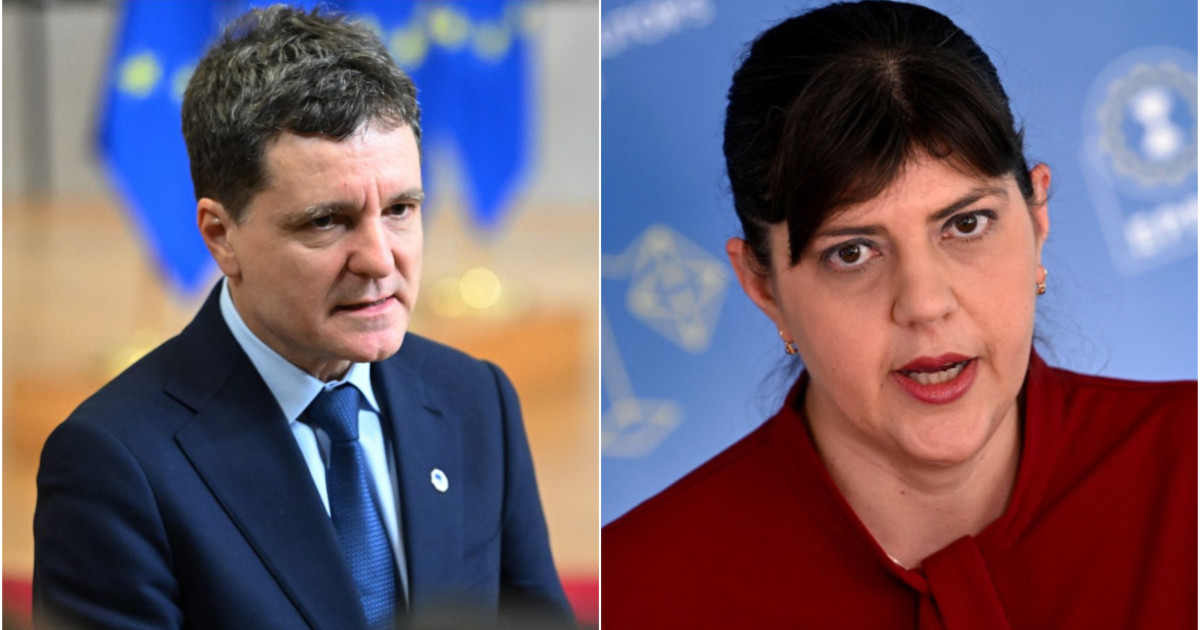
President Nicușor Dan has stated that he is inclined to believe that abuses occurred during the tenure of Laura Codruța Kovesi as head of the General Prosecutor’s Office and the National Anti-Corruption Directorate (DNA). The Romanian president made these remarks during an interview with Europa FM radio on Thursday, April 16, 2026, according to multiple verified reports. He emphasized that while many people claim abuses took place, official documentation is necessary to substantiate such serious allegations.
Dan specifically referenced concerns that the justice system may have been used for political purposes or to remove inconvenient political leaders during Kovesi’s leadership. He stated, “I am inclined to believe that abuses were made,” and reiterated the need for formal reports to move beyond speculation. These comments arrive amid ongoing public debate about Kovesi’s potential future role in Romanian politics following the conclusion of her mandate as chief prosecutor of the European Public Prosecutor’s Office (EPPO).
The president acknowledged Kovesi’s accumulated knowledge and experience from various positions, describing her as someone who has gained significant expertise. However, he stressed that grave allegations about the misuse of the justice system for political battles or eliminating opponents require proper documentation. “Such serious matters should be documented. I am inclined to believe that abuses were made,” Dan said, highlighting the importance of clarifying the relationship between society and political decision-makers.
Laura Codruța Kovesi served as the head of Romania’s National Anti-Corruption Directorate from 2013 to 2018, overseeing high-profile investigations into corruption. She later became the first chief prosecutor of the European Public Prosecutor’s Office, a position she has held since 2020. Kovesi has been a prominent figure in European anti-corruption efforts, though her tenure has likewise attracted criticism and allegations of overreach from some political figures.
Nicușor Dan, elected president of Romania in 2024, has positioned himself as a reform-oriented leader focused on strengthening institutions and transparency. His comments about the Kovesi era reflect broader discussions in Romania about judicial independence, accountability and the balance between anti-corruption efforts and political rights. The president has consistently called for evidence-based assessments of past actions rather than relying on unverified claims circulating in public discourse.
As of now, no official investigation or report has been released by Romanian authorities confirming systematic abuses during Kovesi’s leadership of the DNA or General Prosecutor’s Office. Various civil society groups and legal experts have called for transparent reviews of specific cases from that period to address concerns about due process and political influence. Any such review would need to be conducted by independent bodies with access to full case files and internal communications.
The European Public Prosecutor’s Office, where Kovesi currently serves, was established to investigate crimes against the EU’s financial interests, including fraud, corruption, and cross-border criminal activity. It operates independently of national governments but coordinates with national authorities. Kovesi’s leadership of the EPPO has been marked by efforts to strengthen cooperation among member states and improve the efficiency of cross-border investigations.
In Romanian politics, discussions about Kovesi’s potential return to domestic politics have persisted since her appointment to the EPPO. Some analysts suggest her high profile and reputation in anti-corruption work could translate into political influence, while others argue her judicial background may limit her appeal in partisan politics. Kovesi herself has not publicly declared intentions to enter Romanian politics, focusing instead on her current mandate at the EPPO.
The timing of Dan’s comments coincides with ongoing debates about judicial reform in Romania and efforts to strengthen the rule of law. International organizations, including the European Commission and the Council of Europe, have monitored Romania’s justice system reforms as part of the Cooperation and Verification Mechanism (CVM), which was established when Romania joined the EU in 2007. While progress has been noted, concerns remain about political interference and the need for sustained institutional independence.
For readers seeking official information about the National Anti-Corruption Directorate’s activities during Kovesi’s tenure, annual reports and public statements are available through the DNA’s official website. Similarly, the European Public Prosecutor’s Office publishes regular updates on its investigations and activities. Any formal complaints or requests for investigation into past conduct would need to be submitted to the appropriate oversight bodies, such as the Ministry of Justice or the Superior Council of Magistracy in Romania, or the EPPO’s own internal accountability mechanisms.
As this story develops, further clarity may emerge from official channels regarding any reviews of the Kovesi era. World Today Journal will continue to monitor verified sources for updates on judicial accountability efforts in Romania and statements from relevant authorities. Readers are encouraged to consult official publications and share thoughtful perspectives in the comments section below.
Related reading