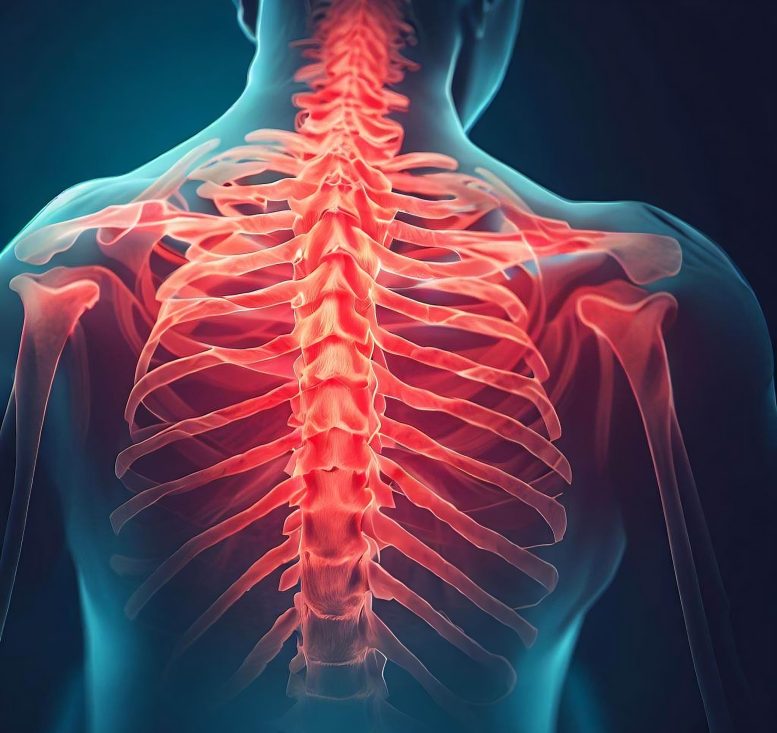
Recent clinical trial results demonstrate that targeted electrical stimulation of the spinal cord can restore voluntary movement and sensory feedback in individuals with paralysis from spinal cord injury. The findings, reported by researchers involved in the study, indicate that epidural electrical stimulation combined with intensive rehabilitation enabled participants to regain control over leg movements and perceive touch sensations in previously numb areas. This development represents a significant step forward in neurorehabilitation, offering hope for improved quality of life for those living with severe spinal cord trauma.
The study, conducted as part of ongoing research into neuromodulation therapies, focused on delivering precisely timed electrical pulses to the lumbar region of the spinal cord via implanted electrodes. Participants, who had sustained complete or incomplete motor and sensory loss below the injury site, underwent months of stimulation paired with physical therapy aimed at retraining neural circuits. Over time, several individuals showed measurable improvements in muscle activation, balance, and the ability to bear weight — functions that had been absent for years following their injuries.
According to verified reports from the research team, the stimulation did not merely elicit reflexive responses but facilitated voluntary control, suggesting that dormant neural pathways could be reactivated through consistent neuromuscular retraining. One participant, described in the study’s documentation, was able to stand independently and take steps with minimal assistance after extended training — outcomes that were previously considered unlikely given the chronic nature of their condition. Sensory feedback, including the perception of light touch and pressure, also returned in regions where sensation had been completely lost.
These results align with earlier preclinical and pilot studies that demonstrated the spinal cord’s capacity to process sensory input and generate motor output even when disconnected from direct brain control, provided the right electrical cues are delivered. Researchers emphasize that the therapy does not repair the injured spinal cord tissue itself but instead leverages the remaining neural networks’ plasticity to reestablish functional communication between the brain, spinal cord, and limbs.
The approach builds on decades of foundational perform in epidural stimulation, initially explored for pain management and later adapted for motor recovery after spinal cord injury. Earlier feasibility studies had shown that stimulation could induce stepping-like patterns in paralyzed limbs when supported by body-weight harnesses, but the latest trial marks progress toward achieving functional, over-ground movement without continuous external support.
Experts in neurorehabilitation caution that while the results are encouraging, the technology remains investigational and is not yet available as a standard treatment. Access is currently limited to participants in controlled clinical trials, and long-term outcomes, including durability of effects and potential risks associated with implanted devices, are still under study. Factors such as the timing of intervention after injury, the completeness of the spinal cord lesion, and individual variability in neural responsiveness may influence who benefits most from the therapy.
Ongoing research is focused on refining stimulation parameters, improving electrode design, and exploring non-invasive alternatives such as transcutaneous stimulation, which delivers current through the skin to avoid surgical implantation. A recent review published in a leading neurology journal highlighted key considerations for trial design, including patient selection, outcome measures, and the importance of combining stimulation with task-specific training to maximize neural adaptation.
Another emerging direction involves targeting the brain directly — such as through deep brain stimulation of the locomotor region in the midbrain — to complement spinal approaches. Preliminary findings from preclinical models suggest that stimulating specific brain nuclei can enhance walking recovery when paired with spinal stimulation, though human applications remain in early stages.
For individuals and families affected by spinal cord injury, these advances underscore the growing potential of bioelectronic medicine to restore lost functions through neuromodulation rather than solely relying on pharmacological or surgical interventions. While no therapy currently offers a complete cure for paralysis, the ability to regain even partial movement or sensation can significantly impact independence, mental health, and daily functioning.
As research continues, regulatory pathways and funding priorities will play a crucial role in determining how quickly such innovations transition from laboratory settings to broader clinical use. Organizations supporting spinal cord injury research, including nonprofit foundations and government health agencies, are increasingly investing in neuromodulation approaches as part of a broader strategy to improve long-term recovery prospects.
The next step in this field involves larger, multi-center trials designed to confirm safety and efficacy across diverse populations, with results expected to inform future regulatory submissions. Until then, the scientific community remains focused on understanding the mechanisms behind recovery and optimizing protocols to assist more people regain function after spinal cord injury.
If you or someone you recognize is interested in learning about current clinical trials involving spinal cord stimulation, reputable sources such as the U.S. National Institutes of Health’s clinical trials database provide updated information on eligibility, locations, and study objectives. Always consult with a qualified healthcare provider before considering any investigational treatment.
We welcome your thoughts and experiences. Share this article to help spread awareness of emerging therapies, and join the conversation in the comments below.
Worth a look