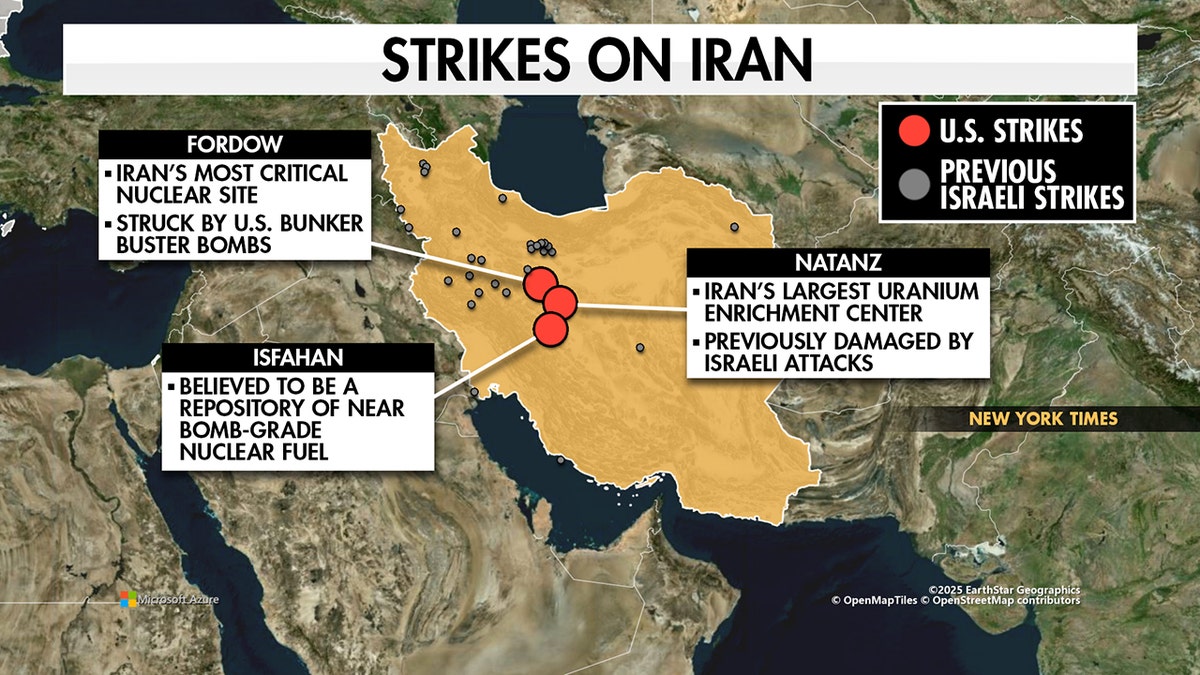
Defense Secretary Pete Hegseth has reiterated the United States’ readiness to launch military strikes against Iran’s civilian infrastructure if diplomatic efforts fail, stating that the U.S. Remains “locked and loaded” to target critical energy facilities and power generation sites across the country.
Speaking on Thursday, Hegseth emphasized that the ongoing military blockade of Iran’s ports in the Strait of Hormuz and the Gulf will continue “as long as it takes,” reinforcing Washington’s position amid a fragile pause in hostilities that followed unsuccessful talks in Pakistan.
The defense secretary’s remarks come as tensions between the U.S. And Iran remain elevated following a series of exchanges that began with U.S.-Israeli strikes on Iranian targets on February 28, 2026. Hegseth framed the potential action as a last resort, saying the U.S. Would prefer a diplomatic resolution but remains prepared to escalate if necessary.
“As you expose yourself with your movement to our watchful eye, we are locked and loaded on your critical dual-use infrastructure, on your remaining power generation and on your energy industry,” Hegseth stated during a press briefing, underscoring the scope of potential targets should Iran fail to comply with U.S. Demands.
Despite the aggressive posture, Hegseth maintained that the U.S. Seeks to avoid further conflict, telling Iran directly: “You, Iran, can choose a prosperous future, a golden bridge, and we hope that you do for the people of Iran.” His comments reflect a dual strategy of pressure and outreach aimed at compelling Tehran to return to negotiations.
The Pentagon chief also confirmed that U.S. Forces are actively monitoring Iranian military movements during the current pause in fighting, which is set to extend through early next week. He noted that improved intelligence capabilities allow for more precise tracking of Iranian assets, enhancing the U.S.’s ability to respond swiftly if hostilities resume.
“We are reloading with more power than ever before … even more importantly, better intelligence than ever before,” Hegseth said, highlighting upgrades in surveillance and targeting systems that have been deployed in the region.
The blockade, initially announced by President Donald Trump on Monday, focuses on restricting shipments through Iran’s ports rather than closing the Strait of Hormuz itself—a distinction Hegseth clarified to prevent misinterpretation of the operation’s scope.
Iran’s energy sector, particularly its power plants and oil refining capabilities, has been repeatedly cited by U.S. Officials as a potential target in the event of escalation. These facilities are considered dual-use due to their role in both civilian energy distribution and military logistics support.
Regional analysts warn that strikes on such infrastructure could exacerbate humanitarian conditions inside Iran, potentially disrupting electricity access for millions and complicating efforts to deliver essential services.
The U.S. Central Command has not released specific details about the forces involved in the blockade or the rules of engagement governing potential strikes, maintaining operational security amid the fluid situation.
Diplomatic channels remain open, according to State Department officials, though no modern talks have been scheduled as of Thursday evening. The administration continues to urge Iran to de-escalate and engage in meaningful dialogue to avoid further military action.
As the situation evolves, the international community watches closely, with allies in Europe and Asia expressing concern over the risk of broader regional instability should the conflict intensify.
The next key development to watch is whether Iran will respond to the latest U.S. Ultimatum by agreeing to resume negotiations before the current pause in fighting expires early next week.
For ongoing updates on this developing story, readers are encouraged to follow official statements from the U.S. Department of Defense and the State Department, which provide the most accurate and timely information on policy decisions and military posture.
Share your thoughts on this critical foreign policy issue in the comments below, and help spread awareness by sharing this article with others interested in global affairs.
Worth a look