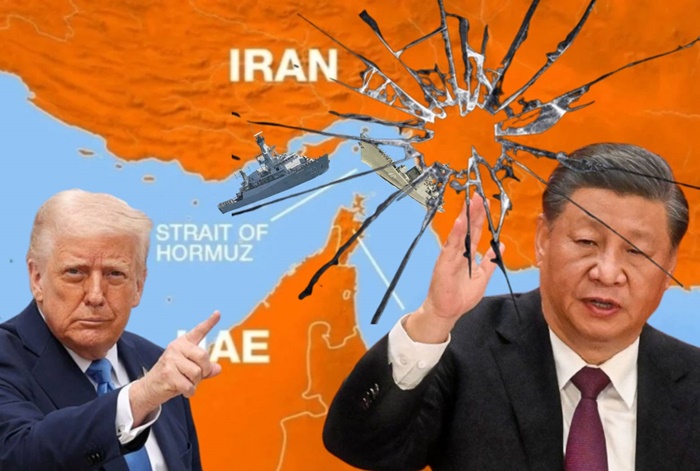
On April 16, 2026, U.S. Secretary of Defense Pete Hegseth urged Iran to “choose wisely” amid escalating tensions in the Middle East, as the United States and Israel continued military operations against Iranian targets following a series of exchanges that began in mid-March. The call came after multiple rounds of strikes and counterstrikes, with the U.S. Maintaining a naval presence in key maritime chokepoints, including the Strait of Hormuz, which it has effectively blocked since early April as part of its strategy to pressure Tehran.
Hegseth’s remarks were made during a press briefing at the Pentagon, where he emphasized that Iran still has the opportunity to de-escalate by halting its support for proxy groups and refraining from further attacks on U.S. And allied forces. He warned that continued aggression would invite a stronger military response, underscoring that the U.S. Does not seek conflict but will defend its interests and those of its partners.
The situation remains fluid, with regional allies such as the United Arab Emirates, Bahrain, and Saudi Arabia expressing support for U.S. Efforts to deter Iranian aggression, while Iraq and Syria have voiced concerns over the spillover effects of the conflict on their territories. International observers continue to monitor the risk of broader escalation, particularly given the strategic importance of the Strait of Hormuz, through which approximately 20% of global oil supplies pass.
As of April 17, 2026, no formal ceasefire agreement has been reached, and diplomatic channels remain active but strained. The U.S. Has reiterated its commitment to preventing Iran from advancing its nuclear capabilities, a concern that has been central to the ongoing confrontation. Meanwhile, Iran has maintained that its actions are defensive and in response to what it describes as unlawful military incursions and economic pressure.
Analysts note that the current phase of the conflict marks one of the most intense periods of U.S.-Iranian hostility since the 2020 assassination of Qasem Soleimani, with both sides appearing prepared for a prolonged standoff. The involvement of Israel, which has conducted independent strikes on Iranian-linked targets in Syria and Iraq, adds another layer of complexity to the regional dynamic.
Despite the heightened military activity, humanitarian organizations have reported limited access to affected areas due to security restrictions, making it difficult to assess the full impact on civilian populations. The United Nations has called for restraint and urged all parties to prioritize dialogue over military action.
Looking ahead, the next key development to watch is the scheduled meeting of the United Nations Security Council on April 24, 2026, where members are expected to discuss the evolving situation in the Gulf and consider potential measures to reduce tensions. Until then, military and diplomatic channels remain the primary avenues through which the crisis is being managed.
For ongoing updates, readers are encouraged to consult official statements from the U.S. Department of Defense, the Ministry of Defense of Iran, and the International Atomic Energy Agency, which continues to monitor nuclear-related developments in the region.
If you found this overview informative, please consider sharing it with others who are following international affairs. We welcome thoughtful comments and insights from our global readership to help foster a deeper understanding of complex global events.
Worth a look