An Immigration and Customs Enforcement (ICE) agent has been charged by Minnesota prosecutors with two counts of assault following an alleged road rage incident in Minneapolis, according to verified reports from multiple authoritative news sources.
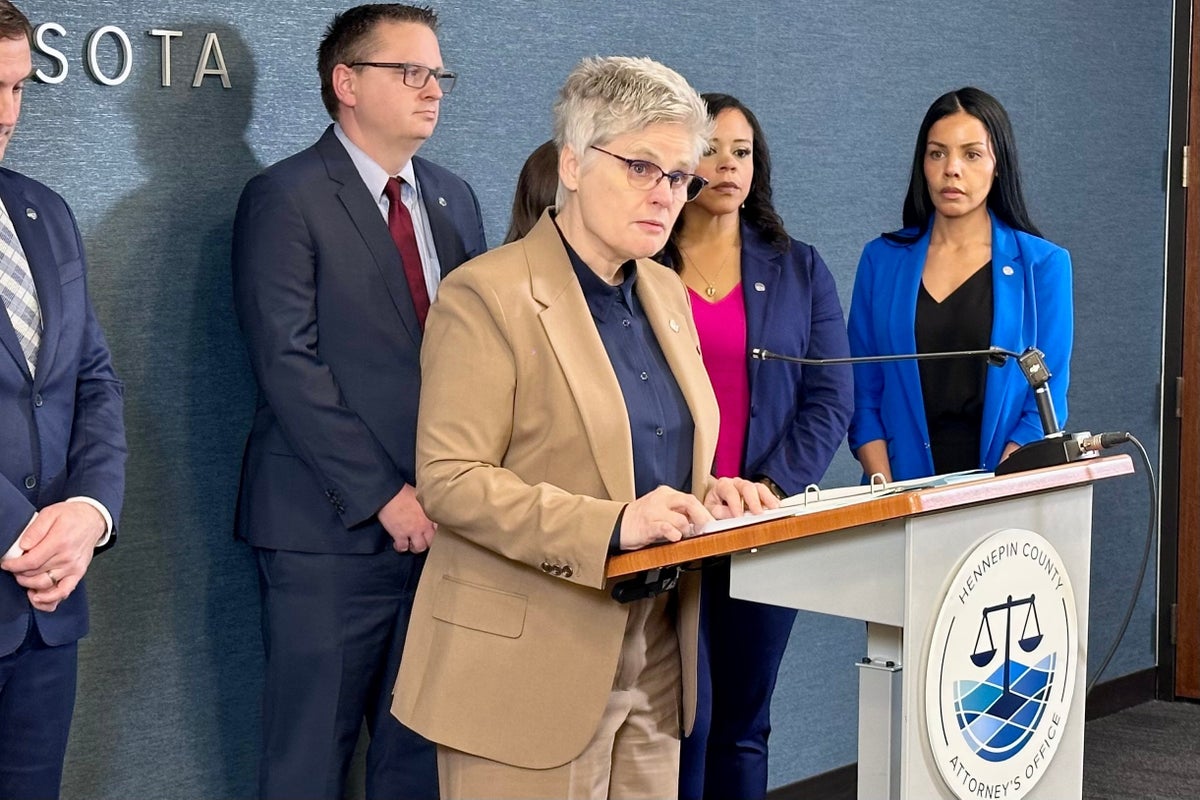
The charges stem from an incident on February 5, 2026, during which the agent, identified as Gregory Donnell Morgan Jr., is accused of pointing his duty weapon at the occupants of another vehicle even as illegally driving on the shoulder of a highway in an unmarked SUV. Prosecutors in Hennepin County announced the charges at a press conference on April 16, 2026, and have issued a nationwide warrant for his arrest.
The case has drawn significant attention due to its timing, occurring shortly after the January 2026 killings of two U.S. Citizens, Renée Good and Alex Pretti, by federal agents in Minneapolis. Those incidents remain under investigation and have intensified scrutiny of federal immigration enforcement actions in the Twin Cities amid the Trump administration’s Operation Metro Surge.
According to court documents and statements from the Hennepin County Attorney’s Office, Morgan Jr. Allegedly approached a vehicle carrying two individuals on Interstate 94 near downtown Minneapolis, exited his unmarked SUV, and pointed his firearm at the heads of the occupants while attempting to pass them on the shoulder. Witnesses reported feeling threatened and feared for their safety during the confrontation.
State prosecutors emphasized that the charges are rare but warranted given the severity of the alleged conduct. “No one, regardless of their federal position, is above the law when it comes to endangering public safety,” said a spokesperson for the Hennepin County Attorney’s Office during the April 16 briefing. The decision to pursue state-level charges reflects growing cooperation between local and federal authorities in addressing misconduct by federal agents.
Morgan Jr. Has not yet been taken into custody, and his current whereabouts are unknown. ICE officials have not issued a public statement regarding the charges or placed the agent on administrative leave as of the latest available information. The agency typically refrains from commenting on ongoing legal matters involving its personnel.
The incident adds to a pattern of heightened tensions between federal immigration enforcement and local communities in Minneapolis, where several recent encounters involving ICE agents have prompted investigations by both state and federal oversight bodies. Civil rights advocates have called for greater accountability and transparency in how federal agents operate within jurisdiction.
Legal experts note that prosecuting a federal agent in state court for actions performed under color of federal authority presents complex jurisdictional questions. However, Minnesota prosecutors have asserted that the alleged actions — pointing a weapon at civilians during a traffic dispute — fall outside the scope of federal duties and thus are subject to state assault statutes.
The next legal step in the case is Morgan Jr.’s initial appearance before a Hennepin County judge, which has not yet been scheduled pending his apprehension. Once in custody, he will face arraignment on the two assault charges, each of which carries a potential penalty of up to five years in prison under Minnesota law.
Members of the public seeking updates on the case can monitor filings through the Hennepin County District Court’s online portal or follow official releases from the Hennepin County Attorney’s Office. Verified information will continue to be reported by major news outlets as the legal process unfolds.
This developing story underscores the ongoing national conversation about the conduct of federal law enforcement officers and the mechanisms in place to hold them accountable for alleged misconduct, particularly in communities already experiencing heightened scrutiny over immigration enforcement practices.
We encourage readers to share thoughtful comments and stay informed through reliable, fact-based reporting as this case progresses through the judicial system.
Related reading