American farmers are facing mounting pressure as the conflict in the Middle East disrupts global fertilizer supply chains, threatening to increase costs and reduce yields during a critical planting season. With key shipping routes compromised and import dependencies exposed, agricultural producers across the United States are warning of potential harvest shortfalls if timely solutions are not found.
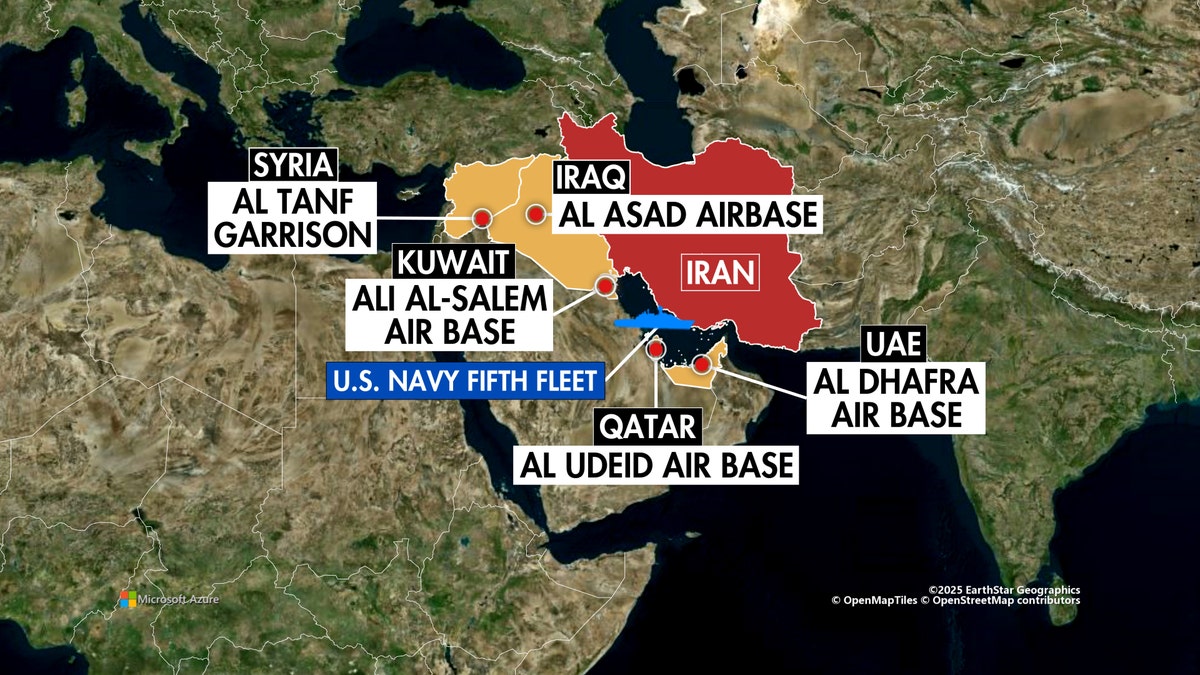
The Strait of Hormuz, a vital maritime chokepoint through which approximately one-third of the world’s fertilizer traffic passes, has been effectively blocked since late February 2026 due to escalating tensions between Iran and a U.S.-led coalition. This disruption has directly impacted the availability and pricing of essential nitrogen and phosphate-based fertilizers, many of which originate from Gulf states now caught in the crossfire of regional hostilities.
According to Veronica Nigh, chief economist for the Fertilizer Institute, the price of urea—a widely used nitrogen fertilizer—rose by nearly 30% between late February and early March 2026. She emphasized that without strategic prioritization for the delivery of key agricultural inputs such as urea, ammonia, and phosphate, U.S. Farmers could face significant challenges in maintaining expected output levels.
These concerns are echoed by producers like Andy Corriher, a 47-year-old farmer from North Carolina who supports former President Donald Trump. Corriher told Agence France-Presse that he has been unable to receive a liquid nitrogen fertilizer order placed weeks earlier, with suppliers unable to confirm delivery timelines. He reported that fertilizer costs have increased by at least 40% since the conflict intensified, calling the timing “the worst possible” for his spring planting preparations.
Similarly, Jim Martin, who grows soybeans and corn in Illinois, acknowledged that while he managed to secure necessary inputs ahead of the season, input costs remain at their highest levels in years. “Fertilizers and inputs are currently the nightmare for everyone,” he said, reflecting widespread anxiety among growers about affordability and access.
The U.S. Relies on imports for about 35% of its fertilizer consumption, according to Nigh, making the nation particularly vulnerable to overseas disruptions. With domestic production unable to fully meet demand, any prolonged interruption in Gulf exports risks creating a supply gap that could translate into lower crop yields and higher food prices downstream.
Political figures have begun to respond to the growing alarm. During a recent campaign stop, former President Trump attributed rising fertilizer costs to what he described as a “monopoly” in the industry and voiced solidarity with affected farmers, stating, “American farmers, we’re with you!”—a message that resonated strongly in rural communities where agricultural voters played a decisive role in the 2024 election.
Data from Investigate Midwest shows that Trump won 78% of counties dependent on agriculture in the 2024 presidential election, underscoring the political significance of farm-related issues in key battleground regions. As planting season approaches, the ability of farmers to obtain affordable, timely fertilizer will not only affect their livelihoods but may also influence broader economic and electoral dynamics.
Industry leaders such as Zippy Duvall, president of the American Farm Bureau Federation, have warned that without intervention, the combination of high input costs and uncertain supply could lead to a poor harvest outcome. Duvall urged policymakers to consider emergency measures to secure alternative supply chains or provide targeted support to producers most at risk.
As of mid-April 2026, no major policy shifts or international agreements have been announced to ease the bottleneck in the Strait of Hormuz. Market analysts continue to monitor vessel movements and diplomatic developments, with the next key assessment expected from the U.S. Department of Agriculture’s upcoming crop progress report, scheduled for release in early May.
For ongoing updates on fertilizer markets, planting conditions, and policy responses affecting U.S. Agriculture, readers can consult official releases from the U.S. Department of Agriculture and the Fertilizer Institute.
We invite you to share your thoughts and experiences in the comments below. How are changing global events affecting your local farming community? Your insights help deepen the conversation.
Worth a look