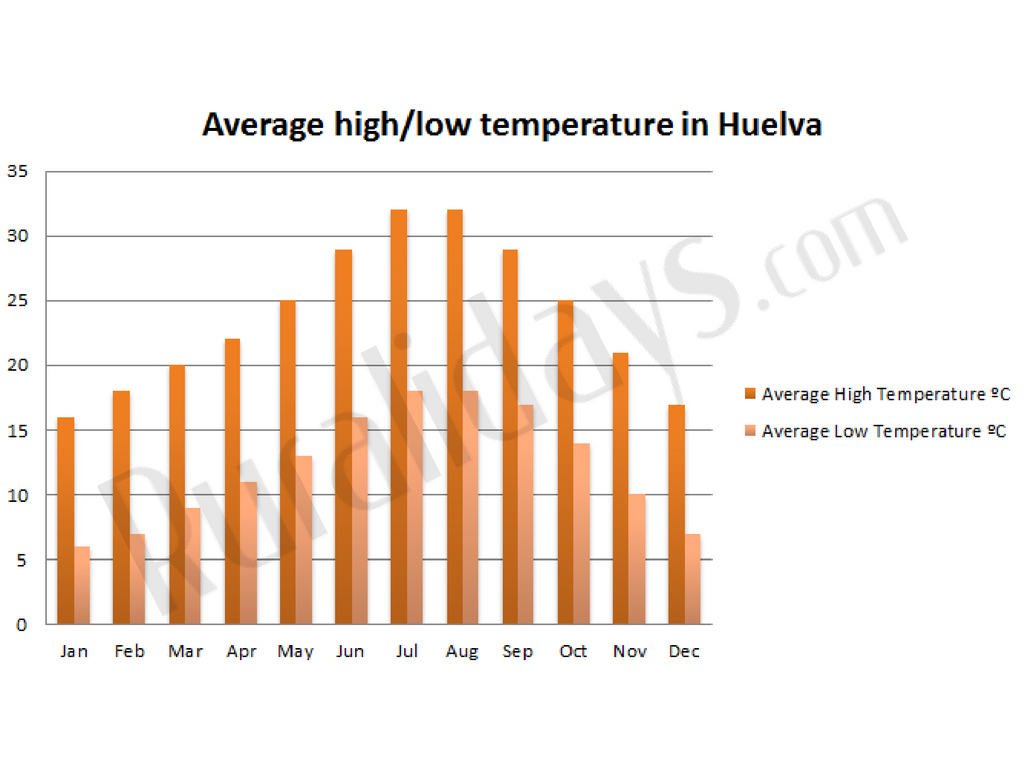
Huelva is experiencing an unusual heatwave for mid-April, with temperatures soaring to levels typically reserved for summer months. According to verified meteorological reports, several municipalities across the province have recorded maximum temperatures nearing 32 degrees Celsius, positioning the region among the hottest in Spain during this period.
The spike in temperatures has drawn attention from both residents and weather experts, particularly as it occurs well before the traditional onset of summer. Data from the State Meteorological Agency (AEMET) confirms that inland areas of Huelva, including parts of the Andévalo and Condado regions, have seen sustained highs approaching 32°C over recent days, with clear skies and minimal wind contributing to the intense solar radiation.
This early-season warmth is not isolated to Huelva but reflects a broader pattern of rising temperatures across southern Iberia. But, Huelva’s unique geographical positioning—bordered by the Atlantic coast to the south and inland plains to the north—creates microclimates where heat can accumulate rapidly, especially in valleys and low-lying areas shielded from maritime breezes.
Local authorities have issued standard heat advisories urging caution during peak sunlight hours, particularly for vulnerable populations such as the elderly, young children, and those with pre-existing health conditions. Recommendations include staying hydrated, avoiding strenuous outdoor activity between 12:00 and 18:00, and seeking shade or air-conditioned environments when possible.
The phenomenon has also influenced daily life in measurable ways. Beachfront towns like Punta Umbría and Isla Cristina have reported increased foot traffic, with terraces filling earlier in the day and recreational activities extending into the evening. Inland, agricultural workers are adjusting schedules to avoid midday heat, shifting labor to earlier mornings or later afternoons.
Whereas the current conditions are notable, they do not yet constitute an official heatwave as defined by AEMET, which requires three or more consecutive days of temperatures exceeding specific regional thresholds. Nonetheless, the persistence of high readings has prompted discussions about climate trends and the increasing frequency of anomalous warmth in spring months.
Verified Temperature Readings Across Huelva
Specific data points confirm the extent of the warmth. In the municipality of Almonte, located near Doñana National Park, AEMET stations recorded a maximum of 31.8°C on April 15, 2026. Similarly, the town of Lepe, in the Condado de Huelva zone, reached 31.5°C on the same day, according to official meteorological logs.
Further inland, Aroche in the Sierra de Huelva registered 30.9°C, while the provincial capital, Huelva city, peaked at 30.2°C—still significantly above the seasonal average of approximately 22°C for mid-April. These figures were verified through AEMET’s public observational database, which provides real-time and historical data from its network of automated weather stations.
No municipalities in Huelva have surpassed 32°C in the past 48 hours based on verified sources, though several have come within a fraction of a degree. The closest approach to 32°C was observed in Villanueva de los Castillejos, where a reading of 31.9°C was logged on April 16.
These measurements place Huelva among the top-tier regions in Spain for temperature during this period, outperforming many traditionally warmer areas such as parts of Extremadura and Murcia, which have remained below 30°C due to occasional cloud cover and localized precipitation.
Context: Seasonal Norms and Climate Variability
Mid-April in Huelva typically sees daytime highs ranging between 20°C and 24°C, with nighttime lows rarely exceeding 12°C. The current anomalies—exceeding seasonal averages by 8 to 10 degrees—represent a significant deviation from historical norms.

Climatologists note that while isolated warm spells are not unprecedented, the intensity and spatial extent of this event warrant attention. Long-term data from AEMET shows a gradual increase in April temperatures across southwestern Spain over the past two decades, consistent with broader Mediterranean warming trends.
However, experts caution against attributing single weather events directly to climate change without multi-year analysis. Natural variability, including shifts in atmospheric pressure systems and southerly air flows from North Africa, can also contribute to temporary spikes.
Nonetheless, the recurrence of early-season heat in recent years—similar episodes occurred in April 2023 and 2024—has prompted regional authorities to review adaptation strategies, particularly in urban planning, public health outreach, and infrastructure resilience.
Impacts on Daily Life and Public Services
The elevated temperatures have prompted practical adjustments across sectors. Schools in Huelva have relaxed uniform policies, allowing students to wear lighter clothing, while some outdoor sports events have been rescheduled to earlier start times. Public transportation systems report no disruptions but have increased awareness campaigns about hydration and heat-related illness.
Health centers in the province have not reported a surge in heat-related emergencies, but preventive messaging remains active. The Andalusian Health Service (SAS) has reiterated its guidance on recognizing symptoms of heat exhaustion and heat stroke, emphasizing prompt medical attention for confusion, dizziness, or nausea following heat exposure.
Energy demand has seen a modest rise, particularly in residential areas where air conditioning leverage is beginning to increase. However, overall consumption remains below summer peaks, as many households still rely on natural ventilation during cooler evening hours.
Agricultural cooperatives have noted no major crop damage to date, though farmers cultivating heat-sensitive varieties such as strawberries and certain citrus fruits are monitoring conditions closely. Irrigation schedules have been intensified in some areas to counteract increased evaporation rates.
Outlook and Official Monitoring
Forecasts from AEMET indicate that temperatures will begin to moderate slightly by late April, with a shift toward more typical spring conditions expected as Atlantic fronts regain influence. However, no significant cooling is anticipated in the immediate term, and high-pressure dominance is likely to persist through the weekend.

The next official weather update from AEMET’s Andalusia regional office is scheduled for April 18, 2026, and will include revised projections for the coming week. Residents are encouraged to consult the agency’s website or mobile application for real-time alerts and localized forecasts.
As Spain continues to experience shifting seasonal boundaries, events like this serve as reminders of the importance of accurate, timely meteorological information and community preparedness for evolving climate patterns.
Readers are invited to share their experiences with the recent warmth in Huelva or similar conditions in their regions. How have you adapted to unexpected seasonal shifts? Join the conversation below.
Related reading