In a disturbing revelation that has shaken global health communities, an investigative report by BBC News has uncovered a severe medical crisis in Pakistan where 331 children were infected with HIV due to the reuse of contaminated syringes in a government hospital. The findings, based on undercover filming and hospital records, point to systemic failures in infection control that allowed the virus to spread among young patients receiving routine medical care.
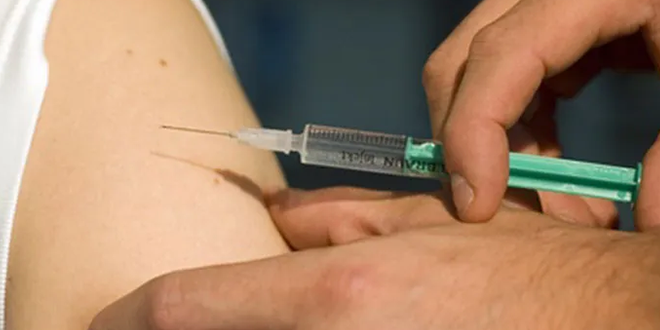
The scandal emerged from Taunsa, a city in Pakistan’s Punjab province, where BBC investigators secretly filmed a hospital volunteer reusing a syringe after injecting a child. This practice, captured on camera, directly violates basic safety protocols and poses a high risk of bloodborne pathogen transmission. The footage showed medical staff administering injections without gloves and repeatedly using the same equipment, creating conditions ripe for cross-contamination.
According to the BBC investigation, the infections occurred between November 2024 and October 2025, during which time 331 children tested positive for HIV. Many of these children came from families where parents tested negative, strongly suggesting hospital-acquired infection rather than vertical or community transmission. The case of two siblings — eight-year-old Muhammad Amin, who died shortly after diagnosis and his ten-year-old sister Asma — became emblematic of the tragedy, as their mother recalled their severe suffering before their diagnoses.
HIV, or human immunodeficiency virus, attacks the body’s immune system and, if untreated, can lead to AIDS. While antiretroviral therapy can manage the virus effectively, early diagnosis and access to treatment are critical, especially for children. In this outbreak, the lack of sterile injection practices turned routine healthcare into a source of grave harm, undermining public trust in medical institutions.
The Punjab provincial government has acknowledged the outbreak and launched an inquiry into the hospital’s practices. Officials have pledged to strengthen infection prevention protocols, retrain medical staff, and ensure the availability of single-use syringes across public health facilities. Though, local residents and health advocates continue to demand accountability, calling for disciplinary action against those responsible and long-term support for affected families.
This incident highlights the devastating consequences of weak healthcare oversight and the urgent need for robust monitoring of clinical practices, particularly in resource-limited settings. Reusing syringes is a known risk factor for HIV and hepatitis transmission, and global health organizations have long warned against such practices. The World Health Organization emphasizes that safe injection practices are fundamental to preventing iatrogenic infections — those caused by medical treatment itself.
As of now, efforts are underway to provide counseling, antiretroviral treatment, and social support to the affected children and their families. International health monitors are watching the situation closely, urging Pakistani authorities to implement transparent reporting mechanisms and regular audits to prevent future outbreaks.
The tragedy in Taunsa serves as a stark reminder that even basic medical procedures must adhere to the highest safety standards. When those standards fail, the most vulnerable — children seeking healing — pay the highest price.
For ongoing updates on this public health crisis and guidance on safe medical practices, readers are encouraged to consult official health advisories from the World Health Organization and Pakistan’s Ministry of National Health Services.
Have thoughts or questions about this developing story? Share them in the comments below, and support spread awareness by sharing this article with others who care about global health equity.
Worth a look