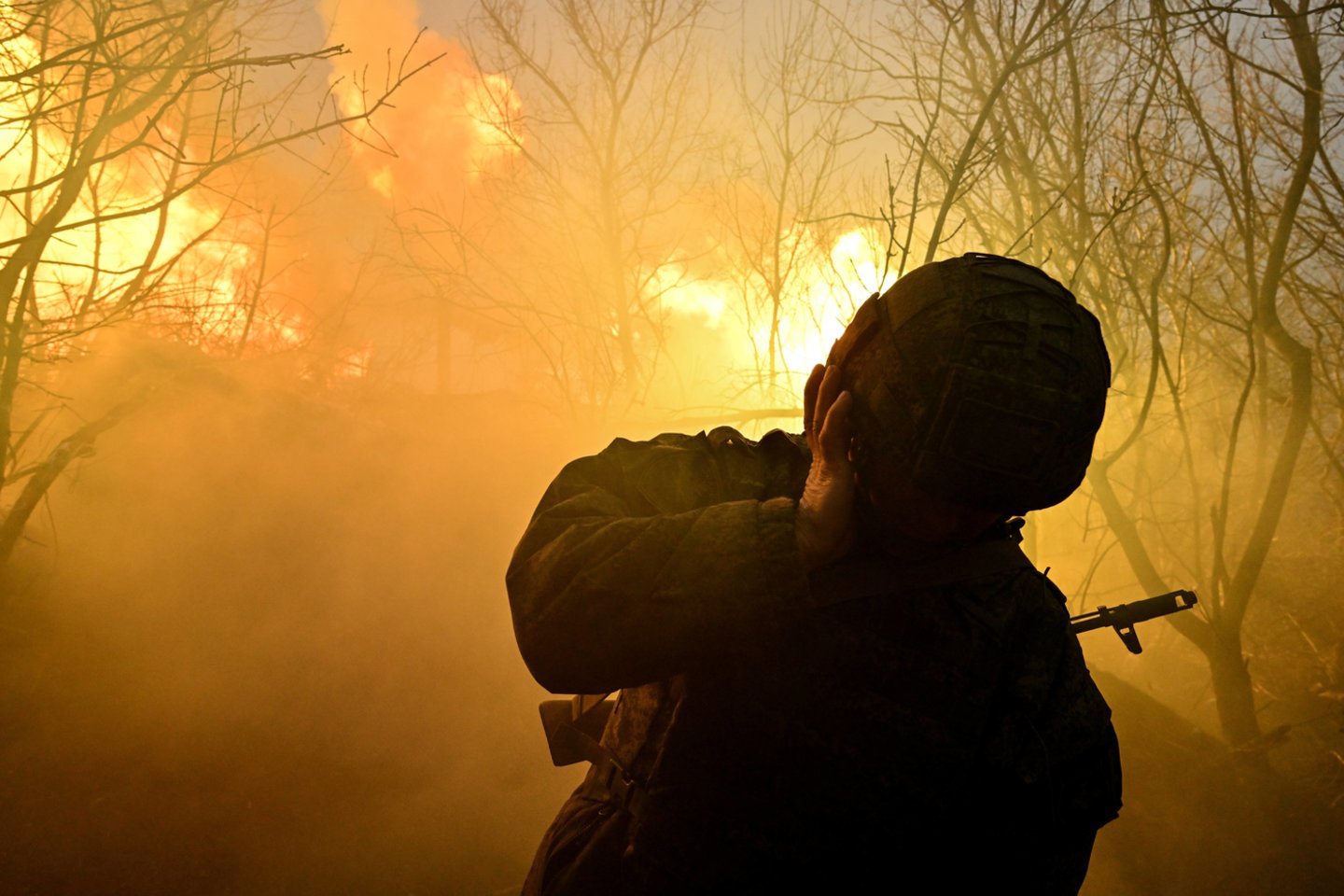
On April 17, 2026, Lithuanian journalist Benas Gerdžiūnas returned from a frontline visit in Ukraine with a stark assessment: the so-called “grey zone” between Ukrainian and Russian forces has turn into a lethal space where movement often means death. Speaking on the LRT program “Iššifruoti esmę su Dovydu Pancerovu,” Gerdžiūnas described how traditional frontline concepts no longer apply, replaced by a fluid and extremely dangerous environment shaped by drone warfare and electronic surveillance.
His observations centered on the Dnipropetrovsk region, where he noted that the first dangers begin just 90 kilometers from Russian positions. In this area, Ukrainian forces have deployed early anti-drone nets and have destroyed Russian transport vehicles attempting to operate near the front. The journalist emphasized that the reality on the ground bears little resemblance to historical depictions of warfare with clear lines and mechanized infantry advances.
Instead, Gerdžiūnas characterized the current situation as a largely invisible revolution in military tactics, where control of the electromagnetic spectrum and rapid drone response define survival. He noted that Ukrainian forces are increasingly relying on decentralized, small-unit operations supported by real-time intelligence and electronic warfare capabilities to counter Russian advances.
The journalist’s account aligns with broader patterns observed in the conflict, where both sides have adapted to deny the enemy freedom of movement through layered drone surveillance, precision strikes, and electronic interference. In the grey zone, even brief exposure to open terrain can trigger immediate targeting by loitering munitions or artillery guided by drone spotters.
Gerdžiūnas also highlighted the psychological toll of operating in such an environment, where constant vigilance is required and the boundary between safety and lethal threat can shift in seconds. He described how soldiers must navigate using covered routes, often moving only at night or during poor weather to avoid detection by enemy drones.
His reporting underscores a shift in modern combat where traditional frontline concepts have eroded, replaced by a persistent state of low-intensity, high-risk contact across wide areas. This evolution has significant implications for casualty rates, troop morale, and the logistical challenges of sustaining operations in contested spaces.
The situation in the Dnipropetrovsk region reflects wider trends along the 1,000-kilometer front line, where neither side has achieved a decisive breakthrough despite months of attritional fighting. Analysts note that the dominance of drone-based reconnaissance and strike systems has made large-scale maneuvers extremely costly, contributing to the stalemate observed in recent months.
Gerdžiūnas concluded that understanding this new reality is essential for anyone seeking to grasp the true nature of the conflict, which continues to evolve rapidly in response to technological adaptations on both sides. His firsthand account provides a rare window into the daily realities faced by troops operating in what has become one of the most dangerous environments on the European continent.
Worth a look