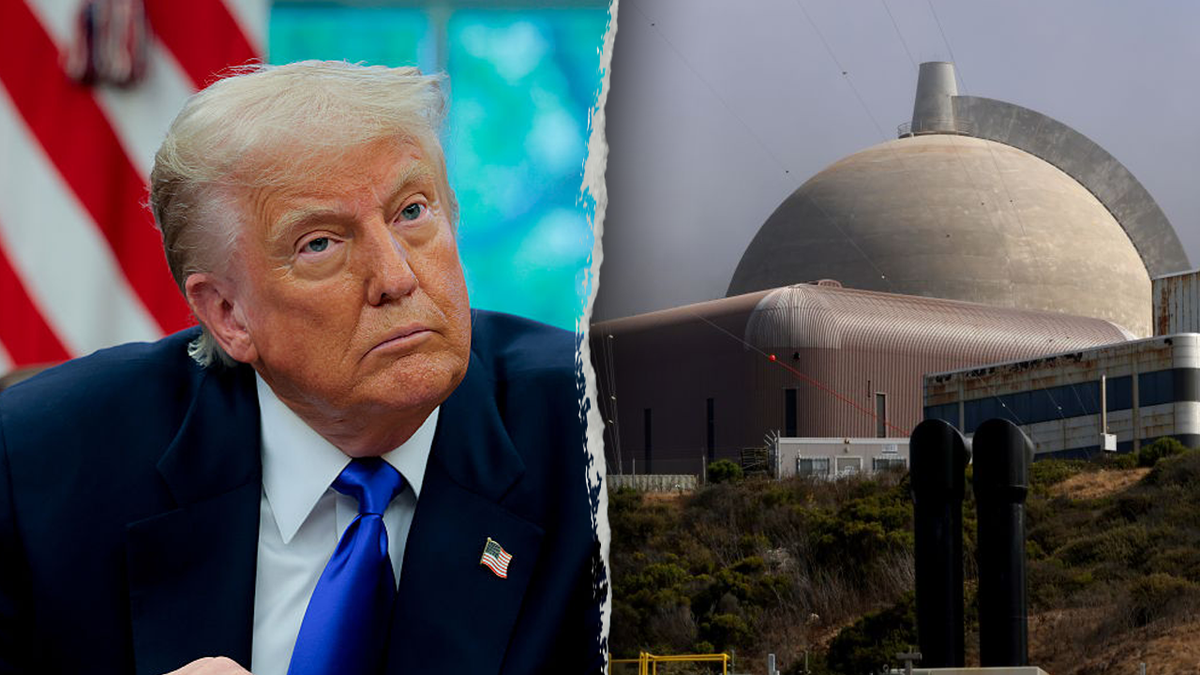
President Donald Trump has stated that Iran has agreed to nearly all of the United States’ demands in ongoing negotiations aimed at resolving tensions over Tehran’s nuclear program and regional conflicts. The remarks, made during a recent press briefing, come amid heightened diplomatic activity involving intermediaries such as Pakistan and follow a period of military escalation between the U.S., Israel, and Iran that began in early 2025.
Trump emphasized that Iran’s leadership has signaled willingness to abandon nuclear weapons ambitions and to allow the recovery of enriched uranium materials previously stored at Iranian nuclear sites. He referenced the approximately 970 pounds of enriched uranium that was buried underground following U.S. B-2 bomber strikes on Iranian facilities in June 2025, suggesting Tehran has agreed to relinquish control of these stocks as part of a potential deal.
The president also indicated that a formal agreement could be finalized in the coming days, with talks possibly resuming in Pakistan over the weekend. He noted that Pakistani officials, including Field Marshal Asim Munir and Prime Minister Shehbaz Sharif, have been engaged in shuttle diplomacy to facilitate discussions between Washington and Tehran.
These developments occur in the context of a broader conflict that intensified after a surprise Israeli attack on Tehran in late February 2025, which Israeli officials said resulted in the deaths of several nuclear scientists and senior military leaders. Since then, Iran has faced food shortages and inflation, according to reports from regional sources.
Although Trump expressed optimism about the prospects for a deal, he acknowledged that the final terms — including verification mechanisms and timelines for uranium removal — remain under discussion. The White House has not released a detailed framework of the proposed agreement, and Iranian officials have not publicly confirmed the specifics of any understanding reached.
The situation echoes past diplomatic efforts surrounding Iran’s nuclear activities, notably the Joint Comprehensive Plan of Action (JCPOA) of 2015, which the U.S. Withdrew from in 2018 under Trump’s first administration. That deal had imposed limits on Iran’s uranium enrichment in exchange for sanctions relief.
As of now, no formal document has been signed, and independent verification of Iran’s compliance with any alleged commitments would require access by international monitoring bodies such as the International Atomic Energy Agency (IAEA). Neither the IAEA nor the U.S. Department of Energy has issued public statements confirming the status of Iran’s nuclear materials or the progress of negotiations.
Observers caution that while diplomatic engagement may reduce immediate risks of further military confrontation, the durability of any agreement will depend on mutual trust, transparent implementation, and sustained communication between the parties involved.
For ongoing updates, readers are encouraged to follow official statements from the White House, the Ministry of Foreign Affairs of Iran, and the International Atomic Energy Agency, which regularly publish reports on nuclear verification and diplomatic developments.
What do you think about the potential for a U.S.-Iran agreement? Share your perspective in the comments below and help spread informed discussion by sharing this article with others.
Worth a look