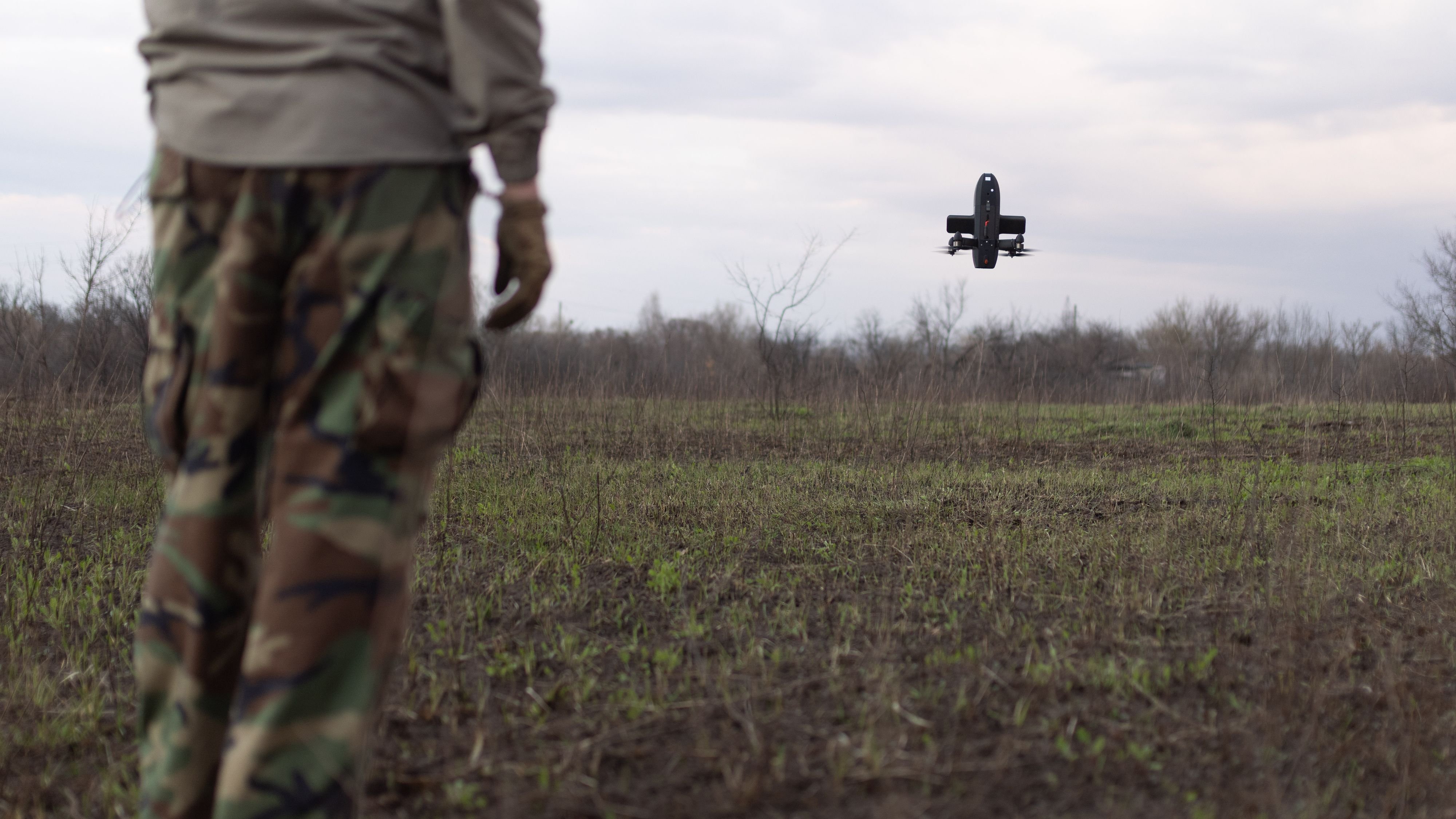
Russia has named specific companies in Germany and other European countries as potential targets in its ongoing war against Ukraine, according to recent statements by senior Russian officials. The announcements, which include references to drone manufacturers and NATO-linked facilities, have raised concerns about the escalation of hostilities beyond the frontlines in Eastern Europe. While Moscow frames these warnings as responses to Western military support for Kyiv, analysts warn that such rhetoric increases the risk of direct confrontation between Russia and NATO member states.
The statements come amid a broader pattern of Russian strategic messaging aimed at deterring Western arms supplies to Ukraine. In recent weeks, officials including former President Dmitry Medvedev have referenced lists of facilities in Germany, Bulgaria, and other NATO countries that could be struck if Western-supplied weapons are used to attack Russian territory. These claims have been echoed in state-affiliated media and discussed in security circles across Europe, though no concrete evidence of imminent attacks has emerged.
To understand the context and validity of these threats, it is essential to examine the verified statements made by Russian officials and the responses from European governments and independent analysts. The situation reflects a dangerous phase in the conflict where information warfare and military posturing are increasingly intertwined, requiring careful scrutiny to distinguish between genuine intent and psychological pressure tactics.
Russian Officials Name Specific Facilities in Germany
In early April 2024, Dmitry Medvedev, now serving as Deputy Chairman of Russia’s Security Council, publicly referenced a list of potential targets in Europe during a televised interview. Among the locations mentioned were facilities in Munich and Hanau, Germany, which he described as being linked to NATO’s military-industrial complex. Medvedev did not name specific companies in that appearance but suggested that enterprises involved in drone production or defense technology could be subject to Russian strikes if they continued supporting Ukraine.
These remarks were later echoed in reports by German media outlets, which cited intelligence assessments indicating that Russian officials had identified certain German firms involved in unmanned aerial systems (UAS) and electronic warfare components as possible objectives. However, no official German government source has confirmed the existence of such a targeting list, and Berlin has consistently characterized the statements as part of Russia’s information campaign rather than actionable intelligence.
The Federal Office for the Protection of the Constitution (Bundesverfassungsschutz) has warned that Russian disinformation efforts often include exaggerated or fabricated claims about military capabilities to sow uncertainty among Western publics. While acknowledging that Russia possesses the theoretical capacity to conduct sabotage or precision strikes in Europe, German authorities have stated there is no verified indication of operational planning for attacks on civilian infrastructure.
Focus on Drone Manufacturers and Defense Suppliers
A significant portion of the alleged targeting list centers on companies involved in the production of drones and related technologies, which have become increasingly vital to Ukraine’s defense efforts. Kyiv has relied heavily on commercially adapted unmanned systems for reconnaissance, artillery spotting, and precision strikes, many of which incorporate components sourced from European suppliers.

Russian officials have argued that by supplying such technology, Western companies are effectively becoming participants in the conflict and thus legitimate targets under international law. This interpretation is widely rejected by legal experts and NATO members, who maintain that civilian enterprises operating within their national jurisdictions are protected under the laws of war unless directly involved in military operations.
In Germany, firms such as Quantum-Systems and EMT Paderborn have been publicly associated with supplying drone technology to Ukraine, though neither has confirmed details due to confidentiality agreements and security concerns. Both companies have emphasized their compliance with German export regulations and stated that any transfers to Ukraine are conducted under government authorization.
No verifiable evidence has emerged linking these or other German companies to direct targeting by Russian forces. Independent analysts note that while Russia has demonstrated the ability to conduct long-range precision strikes within Ukraine, executing similar operations deep inside NATO territory would carry substantial risks and likely trigger a collective defense response under Article 5 of the NATO treaty.
European Response and Security Preparedness
European governments have responded to the Russian statements with a mix of public reassurance and heightened vigilance. Officials in Berlin, Warsaw, and Bratislava have emphasized that national intelligence agencies are monitoring the situation closely but see no immediate threat to critical infrastructure. Instead, they characterize the remarks as part of a broader strategy to dissuade continued Western support for Ukraine through fear and uncertainty.
NATO has reiterated its commitment to collective defense, noting that any attack on a member state’s territory would trigger a unified response. Alliance officials have also pointed out that Russia’s conventional forces are currently heavily engaged in Ukraine, limiting its capacity to sustain prolonged operations elsewhere without significant redeployment and logistical preparation.
In parallel, several European countries have reviewed and updated their national contingency plans for hybrid threats, including cyberattacks, sabotage, and disinformation campaigns. Germany’s Federal Office for Information Security (BSI) has issued advisories to companies in the defense sector urging enhanced vigilance against phishing attempts, supply chain compromises, and other forms of indirect aggression that fall short of kinetic attacks but could still disrupt operations.
Despite the absence of verified attack plans, security experts warn that the erosion of norms around targeting civilian-linked infrastructure could lower thresholds for future escalation. They recommend sustained diplomatic engagement, clear communication of red lines, and continued support for Ukraine’s right to self-defense as key measures to prevent miscalculation.
Assessing the Credibility of the Threats
Evaluating the seriousness of Russia’s claims requires distinguishing between capability, intent, and verified action. While Russia maintains a formidable arsenal of long-range missiles, aircraft, and special operations forces, there is no publicly available evidence that it has allocated resources for strikes against targets in Germany or other Western European countries at this time.
Intelligence assessments from Baltic and Central European states suggest that Russia is more likely to employ asymmetric measures — such as cyber intrusions, influence operations, or deniable sabotage — rather than overt missile strikes, which would be far more difficult to conceal and politically costly. Some analysts have noted past incidents, including unexplained explosions at arms facilities in the Czech Republic and Bulgaria, though attributions remain contested and none have been definitively linked to Russian state actors.
the value of these statements may lie less in their immediate operational feasibility and more in their psychological impact. By naming specific locations and industries, Moscow seeks to create a perception of vulnerability among European publics and policymakers, potentially influencing debates over arms deliveries to Ukraine.
As of mid-April 2024, no official German or NATO body has confirmed the existence of an active targeting list, and no preventive evacuations or lockdowns have been ordered based on such claims. Authorities continue to urge reliance on verified information from official channels and caution against amplifying unconfirmed reports that may serve Russian strategic objectives.
Related reading