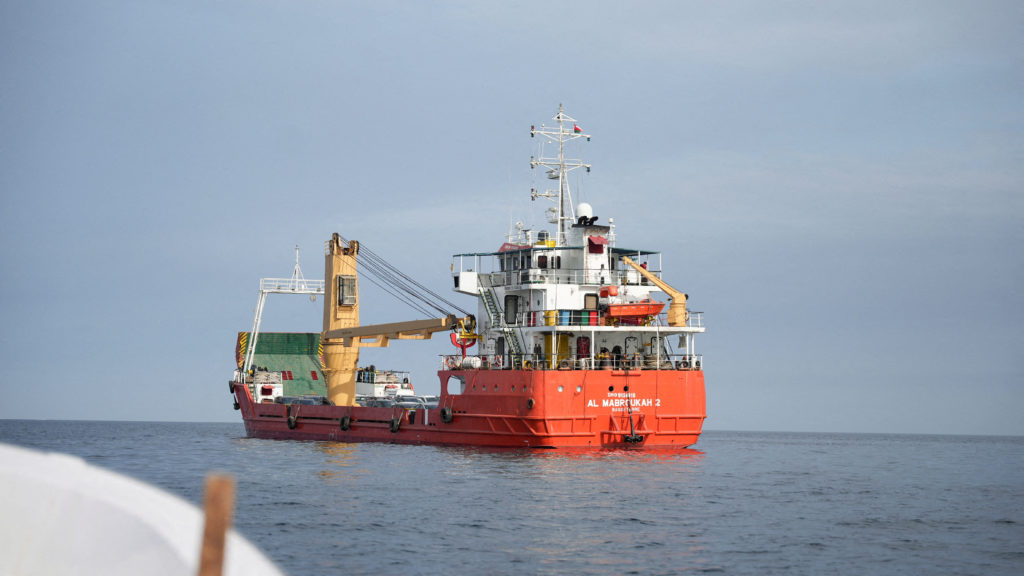
Iranian authorities continue to maintain control over maritime traffic through the Strait of Hormuz despite public statements suggesting the vital waterway is fully open to international shipping, according to maritime security experts. The discrepancy between official rhetoric and operational reality has persisted for weeks, creating uncertainty for global energy markets and shipping companies reliant on the passage for approximately one-fifth of the world’s oil supply.
The situation came into sharper focus during a recent PBS NewsHour segment where Amna Nawaz interviewed Ian Ralby, president of Auxilium Worldwide, a nonprofit organization specializing in ocean governance and maritime law, and security. Ralby directly addressed claims from both Iranian and U.S. Officials regarding the strait’s status, highlighting a significant gap between declared policy and actual implementation on the water.
“We keep hearing that [the Strait of Hormuz is open], but it means something remarkably different in practice than what most of us would want,” Ralby stated during the interview. “Completely open would suggest that there would be free flow of maritime commerce, uninhibited, unimpeded. That is not what is happening at the moment.” His assessment underscores ongoing concerns about the effectiveness of diplomatic efforts to ensure unimpeded transit through one of the world’s most critical chokepoints for global energy trade.
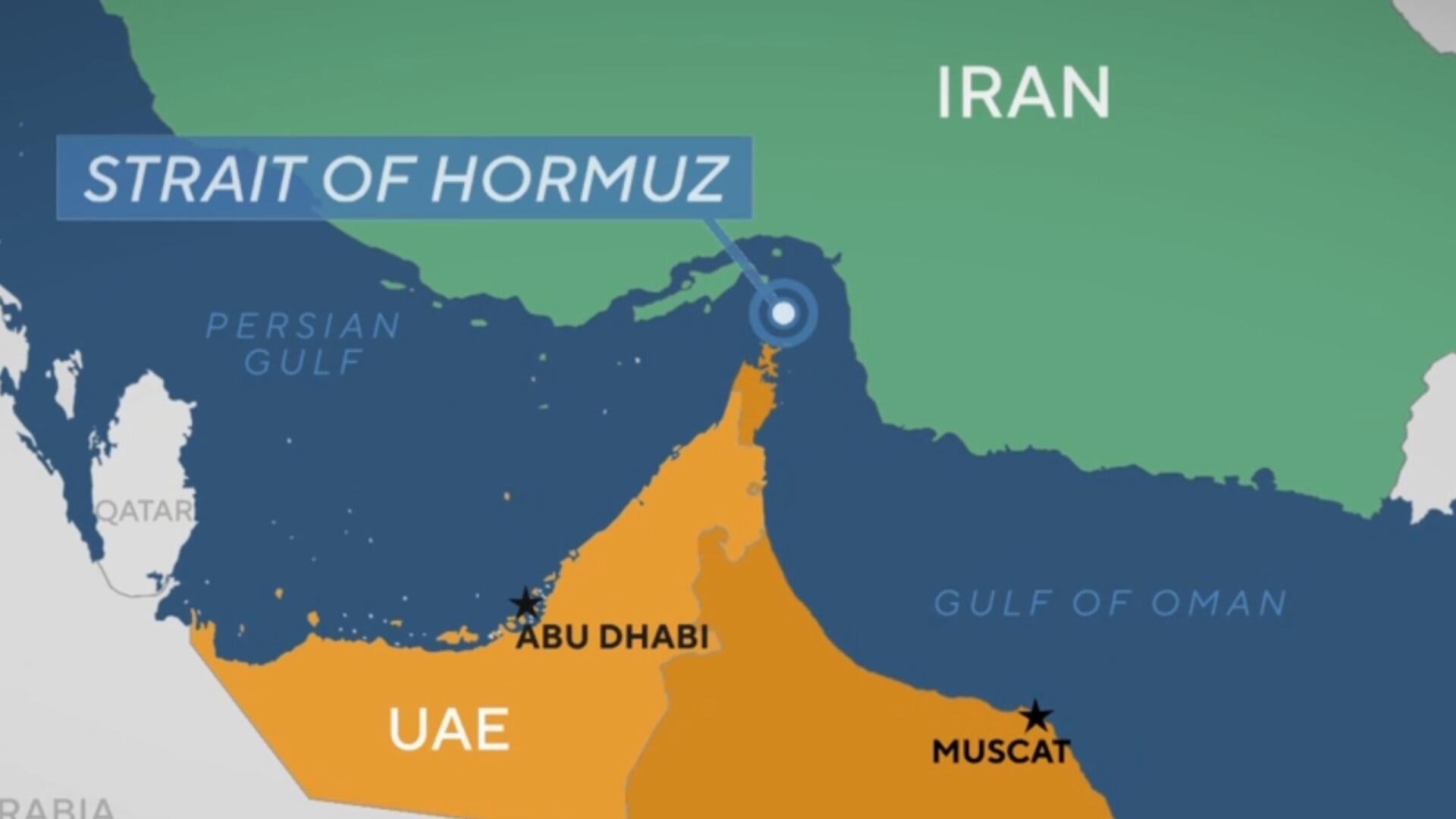
According to Ralby, Iran’s conditions for vessel passage require ships to obtain explicit permission from the Islamic Revolutionary Guard Corps (IRGC) and follow prescribed transit routes that navigate around Larak Island, positioning traffic closer to the Iranian coast. This procedure fundamentally alters the nature of transit compared to traditional interpretations of freedom of navigation under international maritime law.
The expert noted a pattern where vessels attempting to transit the strait after receiving indications of openness are subsequently intercepted and turned back due to lack of IRGC authorization. “What we have seen today is a complete difference between the rhetoric and the reality,” Ralby explained, describing instances where ships initially appeared to be making progress toward passage only to be hailed and redirected.
This operational reality means that although Iran may permit certain vessels to pass under its conditional framework, the strait does not function as a freely accessible international waterway as characterized by some diplomatic statements. The requirement for prior approval and specific routing represents a significant departure from unimpeded passage standards that govern most major shipping lanes worldwide.
Stakeholders Affected by Restricted Access
The ongoing restrictions impact a broad spectrum of maritime stakeholders, beginning with energy producers and consumers globally. Approximately 21 million barrels of oil per day transit the Strait of Hormuz, according to U.S. Energy Information Administration data, making any disruption or delay potentially consequential for global energy prices and supply chains.
Shipping companies face operational challenges including potential delays, increased insurance premiums, and the demand for constant communication with Iranian authorities to secure transit permissions. These factors contribute to higher transportation costs that may ultimately be reflected in consumer prices for oil-dependent products and goods.
Regional actors also experience varied impacts. While Iran maintains operational control over the waterway, neighboring Gulf states reliant on the strait for their hydrocarbon exports must navigate the same conditional access framework. International naval forces present in the region continue to monitor the situation closely, balancing freedom of navigation principles with diplomatic engagement strategies.
Maritime Law Implications
The current arrangement raises important questions regarding the application of the United Nations Convention on the Law of the Sea (UNCLOS) to the Strait of Hormuz. Under UNCLOS, straits used for international navigation between one part of the high seas or exclusive economic zone and another part of the high seas or exclusive economic zone are subject to the regime of transit passage, which prohibits impediment to such passage.
Iran’s requirement for IRGC permission and specific routing appears to conflict with the transit passage provisions designed to ensure unimpeded movement through internationally significant straits. Legal scholars note that while coastal states may adopt laws relating to transit passage for purposes such as pollution prevention, such laws must not have the practical effect of denying, hampering, or impairing the right of transit passage.
Auxilium Worldwide’s focus on ocean governance and maritime law positions it to analyze these complexities, particularly regarding how conditional access frameworks interact with established international legal norms governing maritime chokepoints. The organization’s expertise lies in assessing whether national regulations conform to international obligations while addressing legitimate security concerns.
Recent Developments and Monitoring Efforts
Maritime security monitoring groups continue to track vessel movements through the Strait of Hormuz using automatic identification system (AIS) data and satellite imagery. These efforts aim to document patterns of compliance with Iranian requirements and instances where vessels are denied passage despite apparent transit intentions.
Industry advisories from maritime security firms regularly update shipping companies on current procedures for seeking IRGC authorization, including recommended communication channels and typical processing times for transit requests. Some reports indicate that approval timelines can vary significantly, contributing to uncertainty in voyage planning.
Diplomatic channels remain active in addressing the situation, with international representatives engaging Iranian officials on maritime access issues. However, as of the latest verified reports, no fundamental change to the conditional access framework has been publicly announced or implemented that would align operations more closely with unrestricted transit passage principles.

The PBS NewsHour segment featuring Ian Ralby aired on April 17, 2026, providing a contemporary assessment of conditions in the strait. Such media engagements contribute to public understanding of complex maritime security issues that often operate beneath the surface of mainstream international news coverage despite their significant economic implications.
For ongoing developments regarding maritime access through the Strait of Hormuz, readers are encouraged to consult official advisories from flag state administrations, updates from the International Maritime Organization, and analyses from recognized maritime security monitoring organizations. These sources provide the most reliable information for assessing evolving conditions in this critical waterway.
Share your thoughts on maritime security issues in the comments below, and help spread awareness by sharing this article with others interested in global affairs and international trade dynamics.
Related reading