A Chilean family is urgently seeking a genetic match for their 4-year-old son, Gaspar, who was diagnosed with a rare primary immunodeficiency caused by a mutation in the DOCK8 gene. The condition, known as DOCK8 deficiency, severely compromises the immune system, leaving the child vulnerable to life-threatening infections and an increased risk of certain cancers. Medical experts emphasize that early hematopoietic stem cell transplantation offers the best chance for a cure, but finding a compatible donor remains a critical challenge.
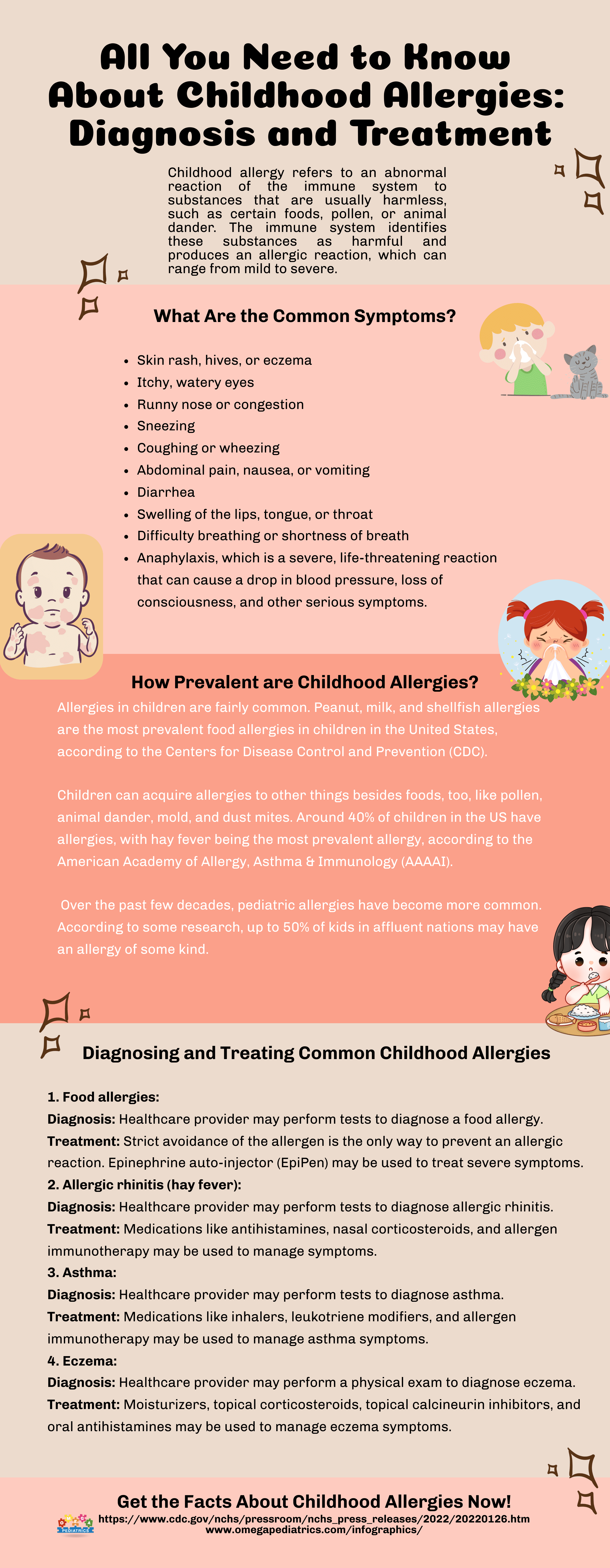
Gaspar’s health struggles began in infancy. From just three months old, he experienced recurrent and severe episodes of asthma and allergies, symptoms that persisted despite multiple treatments and evaluations. His parents, Javiera Zenteno and her partner, described years of uncertainty as they consulted numerous specialists in search of answers. It was not until October 2025 that genetic testing confirmed the diagnosis of DOCK8 deficiency, a disorder so rare that, at the time, only one other case had been documented in Chile.
The news came as a profound shock to the family. “We never imagined one of our children would face such a rare and serious condition,” said Zenteno in an interview with DKMS, the international bone marrow donor center supporting their search. “Even though we understand it’s a grave illness, we take comfort in the fact that a cure exists. Our entire focus is now on finding a donor for Gaspar.”
DOCK8 deficiency affects the body’s ability to regulate immune responses, particularly in fighting viral infections and controlling abnormal cell growth. Individuals with this condition often suffer from recurrent skin and respiratory infections, severe eczema, allergies, and asthma — symptoms that closely mirrored Gaspar’s early health issues. Without intervention, the disorder can progress to lymphoma or other malignancies, making timely intervention essential.
The recommended treatment is a transplant of hematopoietic stem cells, ideally from a genetically matched donor. Siblings are typically the first candidates tested for compatibility, but in Gaspar’s case, neither of his two older sisters — aged 6 and 8 — proved to be a match. This has expanded the search to unrelated donors through international registries, where the likelihood of finding a suitable match depends on human leukocyte antigen (HLA) typing.
DKMS, which is assisting the family, maintains one of the largest global databases of potential stem cell donors. The organization reports that while thousands of donors are registered worldwide, matches for rare HLA types — especially among underrepresented ethnic groups — can be difficult to find. In Latin America, donor registration rates remain lower than in Europe or North America, which may reduce the chances of locating a compatible donor for a child of Chilean descent.
Medical teams involved in Gaspar’s care stress that time is a critical factor. Although he currently appears healthy and active, physicians warn that delaying transplantation increases the risk of irreversible organ damage or cancer development. Early transplantation, ideally before the age of 5, is associated with significantly better survival rates and long-term outcomes in immunodeficiency disorders like DOCK8 deficiency.
The family’s appeal has drawn attention to the broader need for greater diversity in global donor registries. Health advocates note that increasing registration among underrepresented populations improves equity in access to life-saving transplants. They encourage individuals between the ages of 18 and 55 who are in decent general health to consider joining donor programs, particularly those with mixed or Latin American ancestry, where matches are most needed.
As of April 2026, Gaspar’s parents continue to work with DKMS and Chilean transplant coordinators to expand donor screening efforts. They have shared their story publicly not only to find a match for their son but also to raise awareness about rare immunological disorders and the importance of genetic donor compatibility.
For those interested in learning more about becoming a stem cell donor or supporting families like Gaspar’s, official updates and registration information are available through DKMS’s international portal and local partner organizations in Chile.
Have you or someone you know joined a stem cell donor registry? Share your experience in the comments below, and consider spreading this story to help others in need of a genetic match.
Worth a look