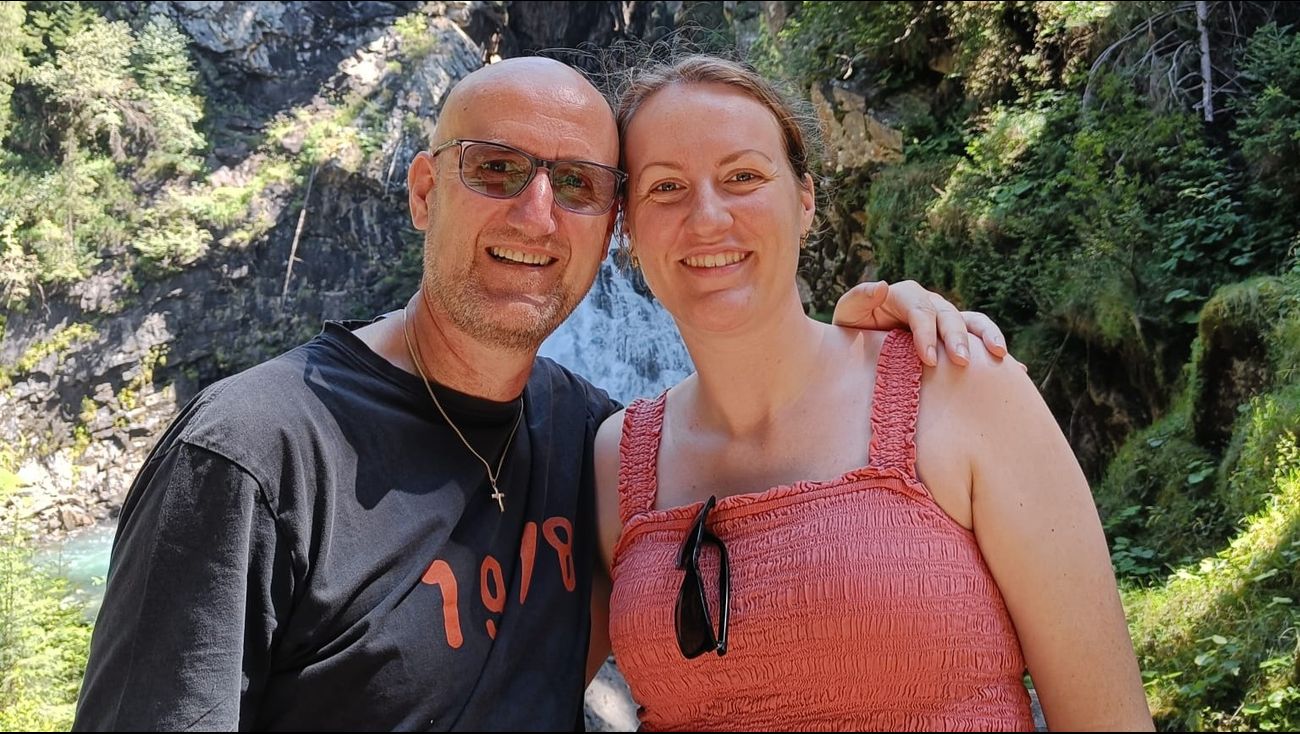
When Rianne Vegter suddenly developed a severe headache on June 1, 2023, her family had no idea it would mark the beginning of a life-altering medical journey. The 22-year-old communications student from Dronten in the Netherlands was initially sent home from her general practitioner with pain relief, but her symptoms rapidly worsened. After multiple visits to emergency departments where initial tests including a lumbar puncture showed no abnormalities, she was finally diagnosed with bacterial meningitis and admitted to hospital for urgent treatment.
What began as what seemed like a routine illness quickly escalated into a critical health crisis that would reshape the entire family’s future. Rianne spent one week in the hospital receiving intensive care for the infection that causes inflammation of the protective membranes surrounding the brain and spinal cord. Though she survived the acute phase, the aftermath brought new challenges as she embarked on a prolonged recovery period marked by significant fatigue and cognitive changes.
Today, more than two years after her diagnosis, Rianne has successfully completed her communications studies, though she must now manage her energy carefully due to persistent effects from the illness. Her father, Henk Vegter, who works at a local school, has turned his family’s experience into a mission to raise awareness and support for others affected by neurological conditions. Through fundraising efforts tied to his workplace, he has so far collected 14,000 euros for the Dutch Brain Foundation (Hersenstichting), an organization dedicated to research, prevention, and support for brain-related disorders.
The Vegter family’s story highlights both the sudden and devastating impact meningitis can have on otherwise healthy young adults, as well as the long road to recovery that many survivors face. Their experience underscores the importance of recognizing early symptoms, seeking timely medical care, and supporting ongoing research into prevention, and treatment.
Understanding Meningitis: Causes, Symptoms, and Risks
Meningitis refers to the inflammation of the meninges, the three layers of protective tissue (dura mater, arachnoid mater, and pia mater) that surround the brain and spinal cord. This inflammation is most commonly triggered by infectious agents, particularly bacteria or viruses, though fungal infections, certain medications, or autoimmune disorders can also cause the condition in rare cases.
Bacterial meningitis, although less common than viral forms, is significantly more dangerous and requires immediate antibiotic treatment. According to the World Health Organization, bacterial meningitis can progress rapidly, with symptoms worsening within hours and potentially leading to death within 24 hours if left untreated. Even with prompt medical care, approximately one in ten cases results in death, and up to one in five survivors experience long-term complications such as hearing loss, neurological disabilities, or cognitive impairments.
The early signs of meningitis often mimic those of less serious illnesses like the flu or a severe headache, which can delay diagnosis. Common symptoms include sudden high fever, stiff neck, severe headache that differs from ordinary pain, nausea or vomiting, confusion or difficulty concentrating, sensitivity to light (photophobia), and sometimes a characteristic skin rash. In young adults and adolescents, symptoms may also include lethargy, irritability, or seizures.
Certain groups face higher risks of contracting meningitis. These include infants, adolescents and young adults (particularly those living in close quarters like college dormitories or military barracks), individuals with weakened immune systems, and people with certain chronic health conditions. Vaccines are available to prevent several types of bacterial meningitis, including those caused by Neisseria meningitidis (meningococcal), Streptococcus pneumoniae (pneumococcal), and Haemophilus influenzae type b (Hib). Public health officials recommend routine vaccination according to national immunization schedules, with additional doses advised for those in high-risk settings.
The Long Road to Recovery: Life After Meningitis
Surviving the acute phase of meningitis is only the beginning of the journey for many patients. Recovery can extend over months or even years, depending on the severity of the infection, how quickly treatment was administered, and whether complications arose during the illness. The Netherlands-based Hersenstichting notes that neurological aftereffects are common following bacterial meningitis, particularly when the infection causes swelling or pressure on brain tissue.
Common long-term challenges reported by meningitis survivors include persistent fatigue, difficulties with concentration and memory (often described as “brain fog”), headaches, hearing problems, balance issues, and emotional or psychological changes such as anxiety, depression, or mood swings. Some individuals also experience sensory processing difficulties or struggle with executive functioning, which affects planning, organization, and task completion.
For Rianne Vegter, returning to her studies required significant adjustments. While she was ultimately able to finish her degree in communications, she now needs to incorporate regular rest periods into her day and cannot maintain the same level of continuous mental exertion she once could. Her father described how she “sleeps a lot during the day” and that “fully working is not possible” due to what doctors have classified as non-congenital brain injury (niet-aangeboren hersenletsel or NAH), a term used in the Netherlands to describe acquired brain damage not present at birth.
Rehabilitation after meningitis often involves a multidisciplinary approach, including neurological follow-up, cognitive therapy, physical rehabilitation if motor skills are affected, hearing and vision assessments, and psychological support. The Hersenstichting emphasizes that recovery is highly individual, and what helps one person may not work for another. They recommend that survivors and their families work closely with healthcare providers to develop personalized recovery plans and access available support services.
Turning Personal Experience into Community Support
In the aftermath of Rianne’s illness, Henk Vegter chose to channel his family’s experience into positive action by organizing fundraising initiatives for the Hersenstichting through his employer, a school in the Flevoland region. The Dutch Brain Foundation, founded in 1985, is a nonprofit organization that funds scientific research into brain and nervous system disorders, provides public education about brain health, and offers direct support to patients and families affected by neurological conditions.
The foundation’s work spans a wide range of conditions, including stroke, dementia, epilepsy, multiple sclerosis, Parkinson’s disease, and acquired brain injuries like the one Rianne experienced. According to their annual reports, the Hersenstichting allocates millions of euros each year to research grants aimed at improving understanding, prevention, treatment, and rehabilitation for brain-related illnesses.
Through activities such as charity events, sponsorship drives, and awareness campaigns linked to his workplace, Henk has helped raise 14,000 euros to date. This funding contributes to the foundation’s mission of advancing scientific knowledge and improving care for those impacted by brain disorders. The family’s ongoing efforts reflect a broader trend in which individuals affected by serious health events use their personal stories to advocate for greater awareness, research funding, and support systems.
Public health experts note that such community-driven initiatives play a valuable role in supplementing institutional efforts, particularly in raising awareness about preventable conditions like vaccine-preventable meningitis. By sharing their story, the Vegter family helps educate others about the importance of recognizing symptoms early, seeking prompt medical attention, and understanding that recovery often extends well beyond the hospital discharge date.
Ongoing Vigilance and Future Outlook
More than two years after her hospitalization, Rianne continues to manage the lingering effects of her illness while pursuing her personal and professional goals. Her experience serves as a reminder that recovery from serious neurological infections is not always linear, and that survivors may need ongoing accommodations and support long after the initial treatment ends.
The Hersenstichting advises that anyone recovering from meningitis should maintain regular follow-up with neurologists or other specialists, report any new or worsening symptoms promptly, and consider joining patient support networks where available. They also stress the importance of vaccination prevention where applicable, noting that immunization remains one of the most effective tools for reducing the incidence of bacterial meningitis in communities.
For the Vegter family, the focus has shifted from crisis response to long-term adaptation and advocacy. By transforming their personal challenge into a source of community support, they aim to help others navigate similar journeys while contributing to the broader effort to reduce the impact of brain-related illnesses through research, education, and direct assistance.
Those interested in learning more about meningitis prevention, symptoms, and recovery resources can consult official health authorities such as the Netherlands’ National Institute for Public Health and the Environment (RIVM), the World Health Organization’s meningitis information portal, or the Hersenstichting’s website for Dutch-language support and information specific to the Netherlands.
If you found this account informative or have experience with meningitis recovery, we invite you to share your thoughts in the comments below. Your insights could help others facing similar challenges feel less alone and more informed about what to expect during the healing process.
Worth a look