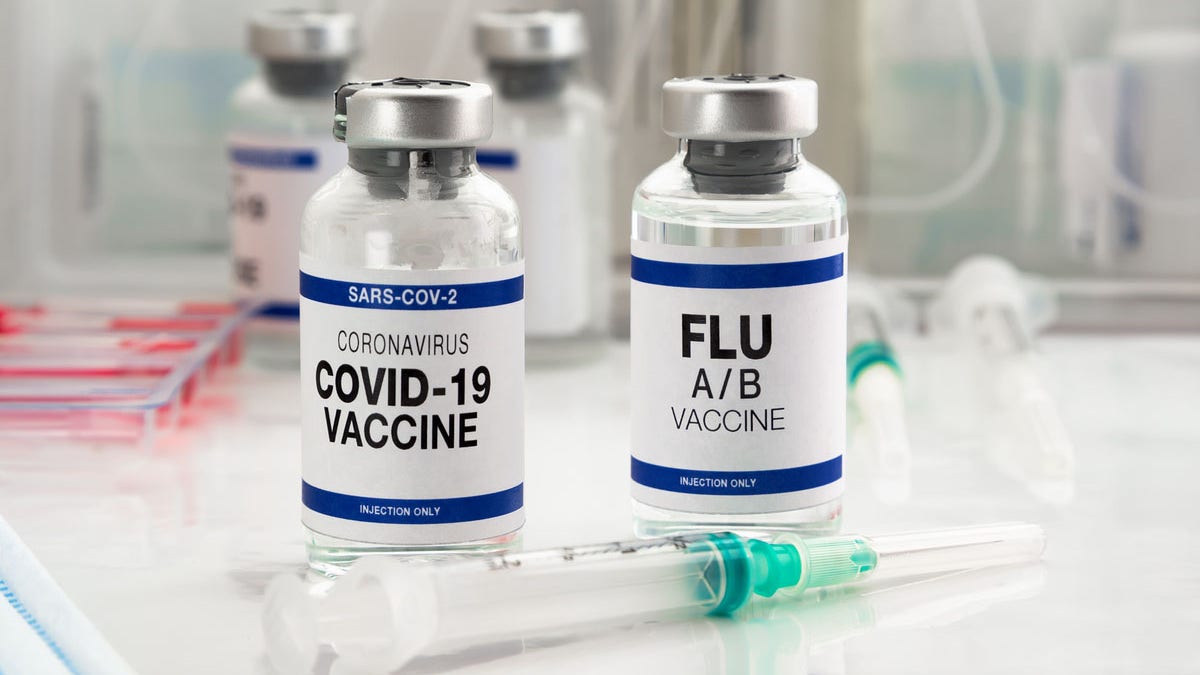
Concerns are growing over the spread of new COVID-19 variants, prompting health authorities to reassure the public about the continued effectiveness of current vaccines. On April 17, 2026, South Korea’s Disease Control and Prevention Agency (KDCA) stated that vaccines currently in apply remain effective against circulating variants, emphasizing ongoing monitoring and public health preparedness. The announcement came amid rising global attention to viral evolution and its potential impact on vaccine-induced immunity.
The KDCA’s statement aligns with recent guidance from the U.S. Centers for Disease Control and Prevention (CDC), which continues to recommend updated COVID-19 vaccinations for individuals aged six months and older to protect against severe illness, hospitalization, and death. Both agencies stress that while viral mutations are expected, the vaccines authorized for use have demonstrated sustained protection, particularly against serious outcomes.
As of early 2026, the dominant variants circulating globally include descendants of the Omicron lineage, such as XBB.1.5 and related subvariants, which have shown increased transmissibility but generally reduced severity compared to earlier strains. The CDC notes that updated monovalent vaccines targeting the XBB.1.5 variant, rolled out in late 2023 and updated periodically since, remain the primary tool for maintaining population immunity.
Vaccine effectiveness is continuously evaluated through real-world data and laboratory studies. According to the CDC, vaccine effectiveness against symptomatic infection wanes over time, but protection against severe disease remains robust, especially among those who have received an updated booster dose. The agency recommends that all individuals stay up to date with COVID-19 vaccinations, including receiving an updated booster if it has been more than six months since their last dose.
In South Korea, the KDCA reported that over 85% of the population has completed the primary vaccination series, and more than 60% have received at least one booster dose. Public health officials continue to encourage vaccination, particularly among older adults, immunocompromised individuals, and those with underlying health conditions, who are at higher risk of severe outcomes.
Surveillance systems remain critical in tracking variant spread. The KDCA operates a national genomic surveillance program that sequences a representative sample of positive cases to detect emerging variants early. Similarly, the CDC’s National SARS-CoV-2 Strain Surveillance (NS3) system monitors variant proportions across the United States, sharing data publicly through its COVID Data Tracker.
Public health experts emphasize that vaccination, combined with other preventive measures such as improved ventilation, mask use in high-risk settings, and timely testing, forms a layered approach to reducing transmission and protecting vulnerable populations. The World Health Organization (WHO) continues to classify COVID-19 as a global health concern, though it no longer designates it as a Public Health Emergency of International Concern, reflecting the transition to long-term disease management.
Looking ahead, health authorities are preparing for the possibility of updated vaccine formulations to match circulating strains, similar to the annual process for influenza vaccines. The FDA and WHO convene regularly to evaluate strain recommendations for future vaccine updates, with decisions typically made several months ahead of the anticipated fall/winter vaccination season.
For the most current information on vaccine recommendations, variant tracking, and public health guidance, individuals are encouraged to consult official sources such as the KDCA website (Korea Disease Control and Prevention Agency) and the CDC’s COVID-19 page (Centers for Disease Control and Prevention).
Staying informed and proactive about vaccination remains one of the most effective ways to protect oneself and others from severe illness due to COVID-19, even as the virus continues to evolve.
Keep reading