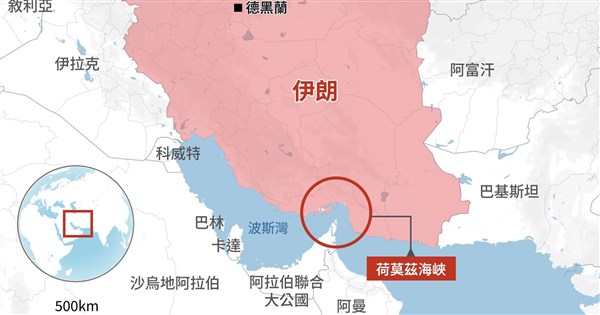
Iranian naval forces have once again heightened tensions in the Strait of Hormuz, issuing warnings and reportedly opening fire on commercial vessels attempting to transit the vital waterway. According to multiple regional maritime reports, two commercial ships were targeted in separate incidents over a 48-hour period, prompting renewed concerns about freedom of navigation in one of the world’s most critical chokepoints for global oil trade.
The Strait of Hormuz, located between Oman and Iran, serves as the primary maritime gateway for approximately 20% of the world’s petroleum supply, according to the U.S. Energy Information Administration. Any disruption to traffic through this narrow passage — just 21 nautical miles wide at its narrowest point — has immediate repercussions for global energy markets and international shipping logistics.
Recent developments suggest a pattern of escalation tied to broader regional dynamics, including stalled diplomatic efforts over Iran’s nuclear program and ongoing maritime security operations led by multinational forces. Whereas Iranian officials have not issued an official statement confirming the specific incidents, naval commanders have previously warned that any vessel perceived as threatening national security could be subject to interception.
Maritime tracking data from Lloyd’s List Intelligence indicates that at least one of the vessels involved was flying the flag of a Pacific island nation but was commercially managed by a company based in the United Arab Emirates. The second ship, reported to be carrying general cargo, was registered under a Southeast Asian registry. Both vessels reportedly altered course following the incidents and proceeded to nearby ports for inspection.
In response to the heightened risk, several major shipping operators have issued interim advisories to their fleets, recommending heightened vigilance and adherence to internationally recognized transit corridors. The International Chamber of Shipping has urged flag states and port authorities to share real-time intelligence to improve situational awareness for vessels transiting the region.
Escalating Tensions in a Critical Maritime Corridor
The Strait of Hormuz has long been a flashpoint for geopolitical tension, particularly due to its role in global energy transit. Historically, periods of increased Iranian naval activity have coincided with diplomatic impasses or sanctions-related pressures. Analysts at the International Institute for Strategic Studies note that Iran has periodically used its naval presence in the strait as a signaling mechanism during periods of heightened regional friction.
In early 2024, the United States Maritime Administration renewed its advisory warning commercial vessels of the potential for harassment or detention in the area, citing “unpredictable behavior” by Iranian Revolutionary Guard Corps Navy units operating in proximity to commercial lanes. The advisory remains in effect as of the latest update.
Meanwhile, the Combined Maritime Forces, a U.S.-led multinational naval partnership, continues to conduct regular patrols in the Gulf of Oman and northern Arabian Sea to deter illicit activity and ensure freedom of navigation. While these operations do not enter Iranian territorial waters, they maintain a visible presence in international waters adjacent to the strait.
Satellite imagery reviewed by maritime security analysts shows increased loitering patterns by Iranian fast-attack craft near the inbound and outbound traffic separation schemes — the designated lanes used by commercial vessels to minimize collision risk. These observations align with reports from bridge teams on transiting vessels who described being approached at close range before warning shots were fired.
Impact on Global Trade and Energy Markets
Any sustained disruption to traffic through the Strait of Hormuz carries significant economic implications. Even temporary delays can lead to demurrage charges, schedule disruptions for just-in-time supply chains, and increased insurance premiums for vessels operating in the region. War risk insurance premiums for transits through the area have historically spiked during periods of heightened tension, sometimes increasing by as much as 300% according to Lloyd’s Market Association data.
Oil markets reacted cautiously to the latest reports, with Brent crude futures showing a modest uptick in early trading following the news. However, analysts at S&P Global Commodity Insights noted that the market has largely priced in a baseline level of risk for Hormuz transit, and only a sustained closure or major escalation would trigger a more pronounced price response.
Countries heavily reliant on Hormuz-transited oil, including Japan, South Korea, India, and several European nations, continue to monitor the situation closely. Japan’s Ministry of Economy, Trade and Industry has maintained a standing coordination mechanism with its shipping associations to assess risk levels and advise on routing alternatives when necessary.
While alternative routes exist — such as the East-West Pipeline through Saudi Arabia or increased reliance on liquefied natural gas via other terminals — none offer the same volume capacity or cost efficiency as maritime transit through the strait. The Hormuz corridor remains indispensable to global energy flows despite the persistent risks.
Diplomatic and Military Dimensions
The recent incidents occur against a backdrop of stalled negotiations over Iran’s nuclear program. Indirect talks between Washington and Tehran, facilitated by European intermediaries, have not yielded a breakthrough in recent months. Simultaneously, regional actors including Israel and Saudi Arabia have expressed concern over Iran’s growing influence in maritime domains, particularly through proxy groups capable of asymmetric naval tactics.
Iran’s Islamic Revolutionary Guard Corps Navy, which oversees operations in the strait, has consistently maintained that its actions are defensive in nature and aimed at safeguarding national sovereignty. In past statements, IRGC-N commanders have emphasized their right to inspect vessels suspected of carrying contraband or engaging in espionage — claims that international maritime law experts say do not justify the use of force against civilian vessels in transit passage under the United Nations Convention on the Law of the Sea.
Under UNCLOS, which Iran has ratified, vessels enjoy the right of transit passage through straits used for international navigation, meaning coastal states cannot impede or suspend this right except in accordance with specific safety or environmental regulations. Any use of force against compliant vessels in transit passage could constitute a violation of international law, though enforcement mechanisms remain limited.
Efforts to de-escalate tensions have included backchannel communications through neutral intermediaries, including Oman, which has historically played a mediating role in Gulf disputes. However, no public indication exists that such channels have recently addressed the specific naval conduct in the strait.
What Happens Next?
As of the latest available information, no formal investigation has been announced by either the flag states of the involved vessels or the International Maritime Organization. The IMO’s Maritime Safety Committee is scheduled to convene its next session in May 2024, where maritime security concerns — including incidents in chokepoints like the Strait of Hormuz — may be raised under agenda items related to navigational safety and piracy.
Shipping associations continue to urge vessel operators to register their voyages with the UK Maritime Trade Operations (UKMTO) center in Dubai, which provides a voluntary reporting and advisory service for ships transiting high-risk areas. Masters are advised to maintain consistent communication, avoid sudden maneuvers, and report any suspicious activity immediately.
For now, the strait remains open, but the episode serves as a stark reminder of how quickly geopolitical friction can manifest in tangible risks to global commerce. Until diplomatic channels yield a more stable framework for maritime conduct in the region, vessels transiting the Hormuz corridor will continue to operate under a shadow of uncertainty.
If you have observations or insights related to maritime security in the Strait of Hormuz, we encourage you to share them in the comments below. Help keep the conversation informed and grounded in firsthand experience.