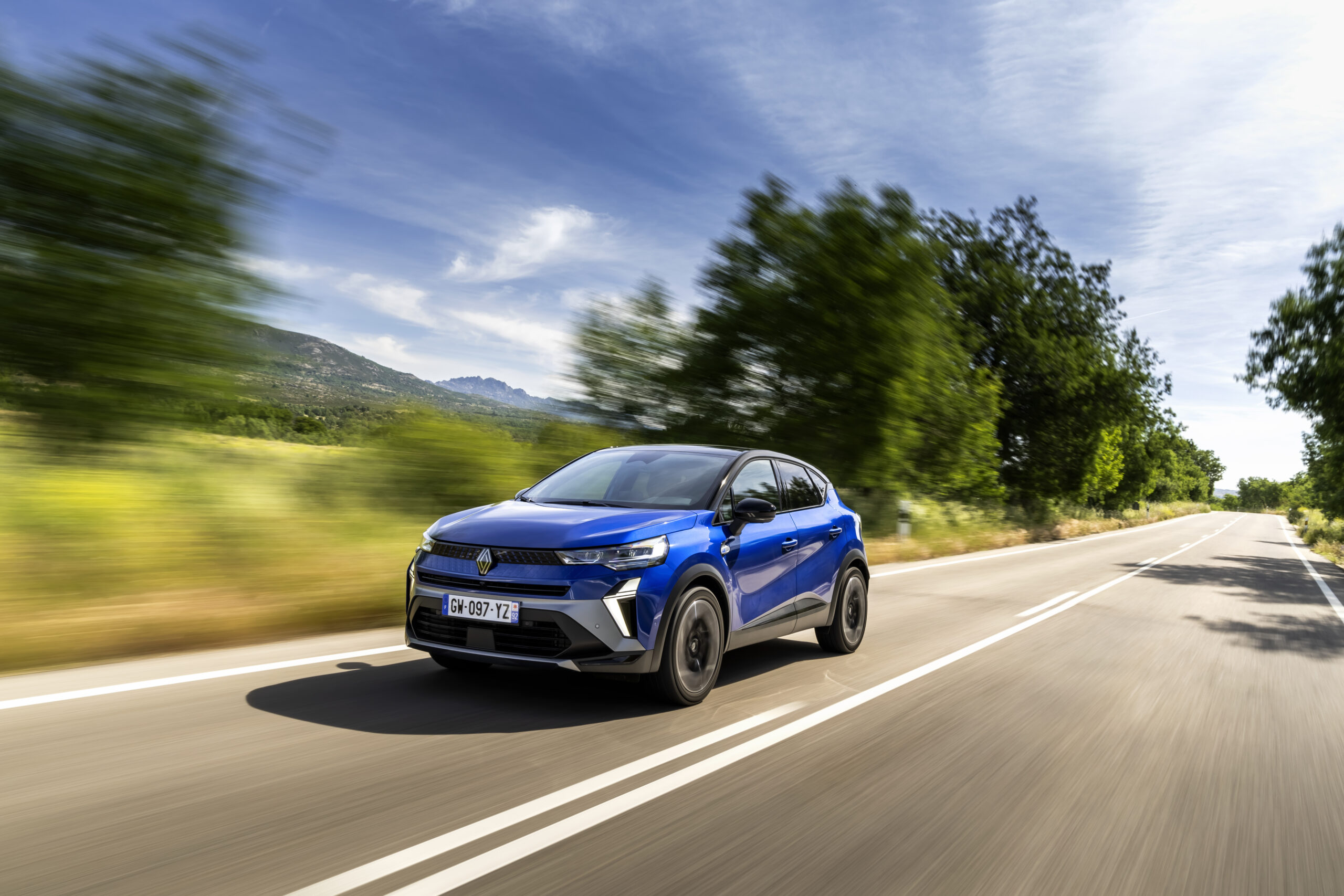
The Renault Captur, one of Europe’s most popular compact SUVs, has officially entered the Moroccan market with an updated design and expanded powertrain options, including a hybrid variant. The model, which represents the second generation of the Captur lineup, was introduced by Renault Maroc in early 2024 as part of the French automaker’s broader strategy to strengthen its presence in North Africa’s growing automotive sector. With increasing consumer demand for fuel-efficient and technologically advanced vehicles, the new Captur aims to compete in a segment dominated by rivals such as the Peugeot 2008, Hyundai Kona, and Kia Stonic.
Built on the Renault-Nissan-Mitsubishi Alliance’s CMF-B platform, the updated Captur features a refreshed exterior design characterized by sharper lines, a redesigned front grille, and new LED lighting signatures. Inside, the cabin offers improved materials, a larger digital driver display, and an upgraded infotainment system compatible with wireless Apple CarPlay and Android Auto. According to Renault’s official specifications, the vehicle is available in multiple trim levels, with options ranging from efficient petrol engines to a plug-in hybrid (PHEV) configuration that combines a 1.6-liter four-cylinder engine with an electric motor.
The plug-in hybrid variant delivers a combined output of approximately 160 horsepower and offers an all-electric driving range of up to 50 kilometers under the WLTP cycle, making it suitable for urban commutes without relying on the internal combustion engine. This version can be charged via a standard household outlet or a dedicated wallbox, with a full charge achievable in under five hours. Renault Maroc has confirmed that the hybrid model qualifies for certain tax incentives under Morocco’s current environmental vehicle policies, which aim to reduce carbon emissions from the transport sector.
Pricing for the new Renault Captur in Morocco starts at approximately 240,000 Moroccan dirhams (MAD) for the base petrol trim, while the plug-in hybrid version begins at around 320,000 MAD, depending on configuration and optional equipment. These prices place it competitively within the compact SUV segment, though slightly above some Asian-made alternatives. Renault Maroc has emphasized that local assembly and logistics efficiencies help mitigate cost pressures, though the vehicle remains fully imported from European plants, primarily the Valladolid facility in Spain.
Safety features across the range include multiple airbags, electronic stability control, lane departure warning, blind-spot monitoring, and automatic emergency braking — all standard on higher trims. The vehicle also inherits Renault’s updated driver assistance suite, which includes adaptive cruise control and traffic sign recognition. These systems are designed to meet evolving international safety benchmarks, aligning with Morocco’s own efforts to improve road safety through stricter vehicle regulations.
The launch of the new Captur reflects broader trends in Morocco’s automotive market, where demand for SUVs has grown steadily over the past decade. According to the International Organization of Motor Vehicle Manufacturers (OICA), Morocco recorded over 150,000 new vehicle registrations in 2023, with SUVs accounting for nearly 35% of total sales — a significant increase from less than 25% a decade earlier. Urbanization, rising disposable incomes, and changing consumer preferences have driven this shift, prompting automakers to localize or expand their offerings in the segment.
Renault has maintained a strong presence in Morocco for decades, operating a major manufacturing facility in Tangier since 2012 that produces models such as the Logan, Sandero, and Dacia Dokker for regional and export markets. While the Captur is not currently assembled locally, Renault Maroc officials have indicated that future localization remains a possibility depending on market volume and government incentives tied to industrial development. The Tangier plant, one of the largest automotive factories in Africa, has a production capacity exceeding 400,000 vehicles annually and plays a key role in Renault’s global supply chain.
Environmental considerations are increasingly shaping vehicle purchasing decisions in Morocco, particularly in urban centers like Casablanca, Rabat, and Marrakech, where air quality concerns have led to greater interest in low-emission vehicles. The Moroccan government has introduced various measures to promote cleaner transportation, including reduced registration fees for electric and hybrid vehicles and investments in public charging infrastructure. Although the national EV charging network remains limited compared to Europe, major cities have seen a steady increase in accessible charging points, supported by both public and private initiatives.
Industry analysts note that the success of the new Captur in Morocco will depend not only on its design and efficiency but also on after-sales service availability and resale value perception. Renault Maroc operates a network of over 40 sales and service points across the country, which the company says ensures comprehensive coverage for maintenance and warranty support. Customer feedback collected during initial launch events has highlighted appreciation for the vehicle’s driving dynamics, interior quietness, and modern cockpit layout — though some users have noted that rear legroom could be tighter than in certain competitors.
As part of its market introduction, Renault Maroc launched a targeted digital and television advertising campaign emphasizing the Captur’s “urban sophistication” and “efficiency without compromise.” The campaign highlights real-world driving scenarios in Moroccan cities, positioning the vehicle as ideal for daily commutes, weekend trips, and school runs. Early sales data from the first quarter of 2024 indicate strong initial interest, particularly in the hybrid variant, though official monthly registration figures have not yet been published by the Ministry of Industry and Trade.
Looking ahead, Renault has signaled that future updates to the Captur line may include further electrification steps, potentially aligning with the company’s global goal to offer a fully electric version of the model by the end of the decade. While no official timeline has been confirmed for Morocco specifically, the automaker’s broader product roadmap suggests that battery-electric variants could emerge in select markets by 2027, contingent on infrastructure development and consumer adoption rates.
The arrival of the new Renault Captur in Morocco underscores the ongoing transformation of the country’s automotive landscape, where traditional internal combustion models are gradually sharing space with hybrid and electric alternatives. As consumers seek vehicles that balance style, efficiency, and modern technology, offerings like the updated Captur are well-positioned to meet evolving expectations — provided they continue to deliver on reliability, value, and local support.
For the most current information on pricing, trim levels, and availability, consumers are encouraged to visit Renault Maroc’s official website or contact authorized dealerships directly. Official fuel consumption and emissions data are based on WLTP testing standards and may vary depending on driving conditions, vehicle load, and maintenance.
Stay informed about the latest developments in Morocco’s automotive sector by following updates from the Ministry of Industry and Trade and reputable industry sources. Share your thoughts on the new Renault Captur — have you seen it on the road, or are you considering one for your next vehicle? Join the conversation in the comments below and share this article with others interested in global mobility trends.
Related reading