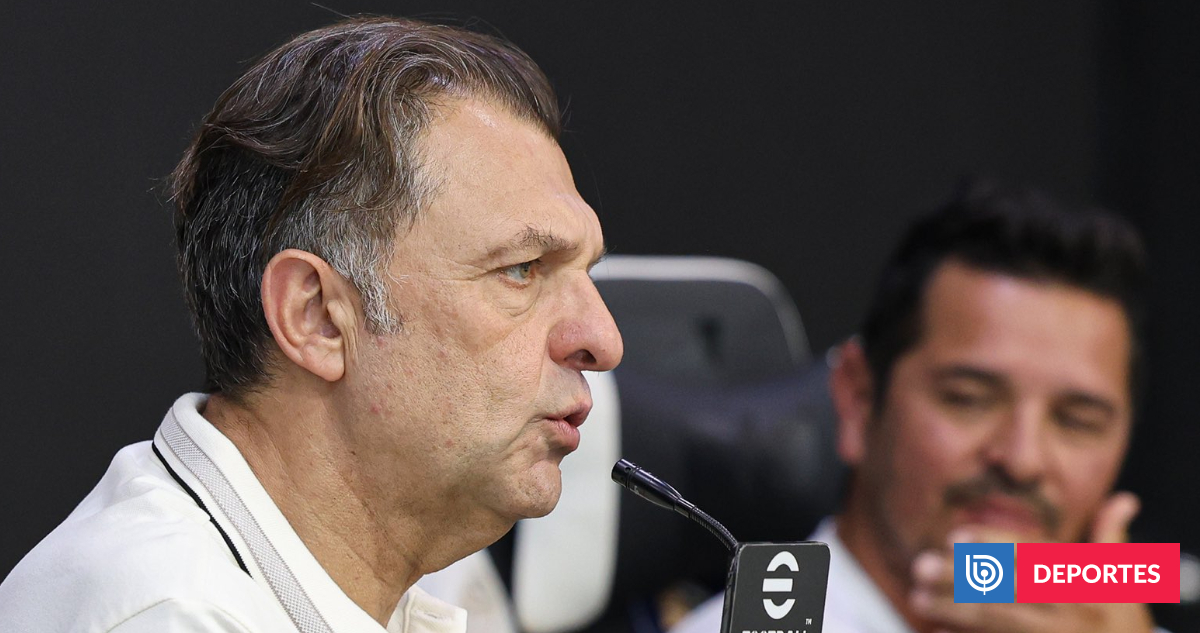
Aníbal Mosa, the influential Chilean businessman and president of Blanco y Negro (ByN), the entity that controls Colo Colo, is reportedly advancing a strategic plan to consolidate his control over the club amid growing scrutiny over ownership structures and potential shifts in shareholder dynamics. According to multiple local reports, Mosa’s approach involves leveraging existing shareholder agreements and exploring potential exits by key stakeholders within ByN, particularly those linked to the historic Vial and Ruiz Tagle families, whose combined stake has long been a focal point in Colo Colo’s governance debates.
The developments come at a pivotal moment for one of Chile’s most storied football institutions, which has faced both sporting inconsistency and off-field turbulence in recent seasons. As Colo Colo navigates challenges on the pitch and seeks financial stability, the question of who ultimately steers the club’s direction has intensified. Mosa, a long-time figure in Chilean football administration, has positioned himself as a stabilizing force, though critics argue his growing influence raises concerns about transparency and democratic governance within ByN.
To understand the current situation, it is essential to examine the ownership structure of Blanco y Negro. ByN holds 100% of Colo Colo’s sporting rights and operates as the legal entity managing the club’s commercial and administrative affairs. Its shareholding is divided among several blocs, with Mosa’s group historically aligned with the Angelini family’s interests, while the Vial and Ruiz Tagle blocs have represented a more traditional, albeit fragmented, opposition. Over the years, tensions between these factions have surfaced during board meetings and electoral cycles, often centering on strategic direction, investment priorities, and the club’s long-term vision.
Recent reports suggest Mosa is preparing to act should the Vial and Ruiz Tagle bloc decide to sell their shares, which together represent a significant minority stake in ByN. While no formal offer has been made public, sources indicate that Mosa’s team is assessing financial mechanisms to facilitate a potential acquisition, including the possibility of launching a public share offer (OPA) to buy out dissenting shareholders. Such a move would require regulatory approval from Chile’s financial regulator, the Comisión para el Mercado Financiero (CMF), and would need to comply with strict disclosure and fairness rules governing related-party transactions.
According to verified corporate filings accessed through Chile’s Superintendencia de Valores y Seguros (SVS) portal — now part of the CMF — Blanco y Negro’s shareholder registry shows that as of late 2023, the Vial and Ruiz Tagle-affiliated entities collectively held approximately 22.5% of ByN’s capital. Mosa-aligned interests, primarily through Inversiones Río Bueno and related vehicles, controlled just over 50%, giving them a working majority but not absolute control. The remainder is held by smaller institutional and individual shareholders, some of whom have historically aligned with either bloc depending on the issue at hand.
These figures are critical because Chilean corporate law allows a shareholder with more than two-thirds of voting rights to approve certain corporate actions unilaterally, including amendments to bylaws or major asset sales. However, reaching that threshold would require Mosa to acquire a substantial portion of the Vial and Ruiz Tagle stake — a move that could trigger antitrust review if deemed to concentrate excessive control in Chilean football, particularly given ByN’s role in managing not only Colo Colo but also interests in other sports ventures.
To date, neither Mosa nor representatives of the Vial and Ruiz Tagle bloc have publicly confirmed plans for a share transfer. In a recent interview with Radio Agricultura, Mosa emphasized his commitment to Colo Colo’s stability but declined to comment on specific shareholder maneuvers, stating, “Our focus is on strengthening the institution, respecting its history, and ensuring competitive sustainability.” Similarly, a spokesperson for the Vial family told La Tercera that while no decisions had been made, “all options remain on the table” regarding their long-term involvement in ByN.
The potential shift in ownership comes amid broader trends in Chilean football, where several clubs have undergone ownership reforms to professionalize management and attract investment. Universidad de Chile, for example, recently completed a capital increase that diluted traditional blocs in favor of new investors, while Unión Española has explored public listing mechanisms to increase transparency. Colo Colo’s situation, however, remains unique due to the deep emotional and historical ties associated with its founding families, making any change in control a sensitive topic among supporters.
Fan groups have expressed mixed reactions to the prospect of Mosa increasing his hold. Some view his leadership as necessary to end years of internal conflict that have hampered sporting performance, pointing to improved youth academy funding and stadium upgrades under his tenure. Others warn that consolidating power in a single bloc risks undermining the club’s multi-stakeholder identity and could lead to decisions prioritizing financial returns over sporting integrity.
From a legal standpoint, any transaction involving the transfer of shares in ByN would need to adhere to Chile’s Ley de Sociedades Anónimas (Law No. 18,046), which governs corporate governance, shareholder rights, and disclosure requirements. If an OPA were launched, the CMF would require a detailed prospectus outlining the offer price, financing sources, and potential impacts on minority shareholders. Independent experts would likely be appointed to assess fairness, particularly if related parties are involved.
As of now, no formal proceedings have been initiated before the CMF regarding a potential share purchase in Blanco y Negro. The regulator’s public database shows no active filings related to ByN or Colo Colo that would indicate an imminent OPA. However, analysts note that such processes can unfold quickly once internal agreements are reached, and Mosa’s team may be preparing the groundwork behind the scenes.
The coming months will be crucial in determining whether Mosa’s reported plan moves beyond speculation into concrete action. Key dates to watch include the next ordinary shareholders’ meeting of Blanco y Negro, typically held in the first quarter of each year, where board elections and major resolutions are decided. Any material change in shareholding — defined as a transfer exceeding 5% of voting rights — must be reported to the CMF within two business days under Chilean securities law.
For supporters and observers seeking clarity, official updates will come through Blanco y Negro’s periodic reports filed with the CMF, available via the regulator’s online portal, as well as statements released through Colo Colo’s official channels. Transparency from all parties will be essential to maintaining trust in an institution that carries not just sporting ambitions, but deep cultural significance for Chile.
As the situation evolves, the balance between stability and inclusivity in Colo Colo’s governance will remain a central debate. Whether Mosa’s strategy results in greater consolidation or opens the door to broader participation, the outcome will shape the club’s trajectory for years to come.
Stay informed by following official filings from the Comisión para el Mercado Financiero and checking Colo Colo’s website for institutional announcements. Share your thoughts on the future of Chilean football governance in the comments below.