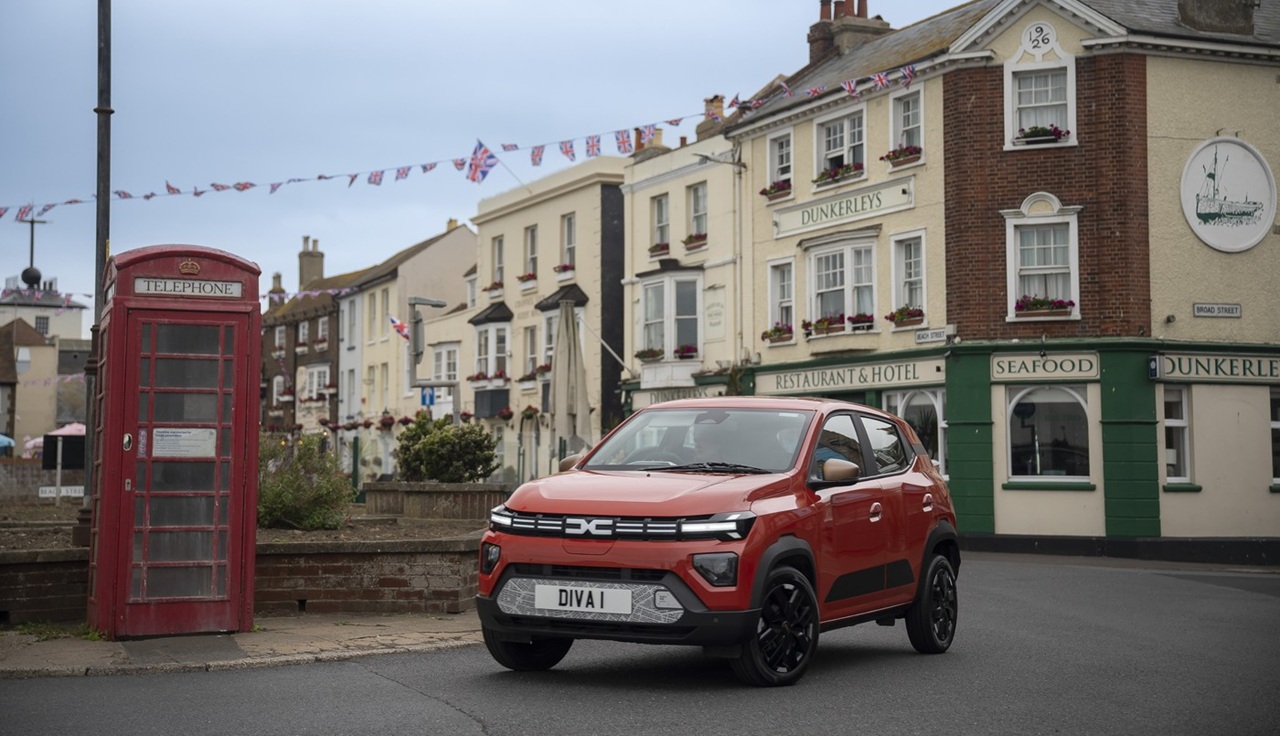
Novel Dacia Spring Electric Car Sparks Surprise in Spain Ahead of European Launch
The upcoming Dacia Spring electric vehicle has drawn significant attention in Spain, where early sightings of the model prompted strong reactions from automotive enthusiasts and industry observers. Reports from Spanish media highlighted the vehicle’s compact design and affordability, with some commentators noting it represents a notable step forward for accessible electric mobility in the region. The model, positioned as Europe’s most affordable electric car, is expected to launch across several European markets in the coming months, including Romania and other Eastern European countries where Dacia maintains a strong presence.
Automotive analysts suggest the renewed interest in the Dacia Spring reflects broader consumer demand for budget-friendly electric vehicles amid rising living costs and stricter emissions regulations across the European Union. As part of Renault Group’s strategy to expand its electric offerings under the Dacia brand, the Spring is built on a simplified platform derived from the Renault City K-ZE, which is currently sold in select international markets. Official specifications indicate the vehicle will offer a WLTP-rated range of approximately 220 kilometers on a single charge, making it suitable for urban commuting and short-distance travel.
Manufacturing of the Dacia Spring takes place at Renault’s plant in China, where production began in 2021 for the initial model. The updated version, which has been spotted undergoing testing in various European countries, features minor exterior revisions including updated lighting signatures and a redesigned front fascia. Despite its low price point—expected to start below €20,000 in most markets—the vehicle includes standard safety features such as electronic stability control, hill-start assist, and a driver alert system, according to Renault’s technical documentation.
Design and Technical Updates Signal Refinement Over Radical Change
While the core architecture of the Dacia Spring remains largely unchanged from its predecessor, the updated model introduces subtle refinements aimed at improving aerodynamics and user experience. Exterior updates include a more defined hood line, revised bumper integration, and new wheel designs intended to reduce drag. Interior improvements focus on durability and ease of cleaning, with simplified trim materials and a redesigned dashboard layout that retains the model’s signature minimalism.
Under the hood, the electric motor delivers 45 horsepower (33 kW) in the base version, with an optional upgrade to 65 horsepower (48 kW) available in higher trims. Charging capabilities include support for both AC and DC fast charging, with the latter enabling an 80% charge in under an hour when using a 30 kW DC charger. These specifications place the Spring in direct competition with other micro-electric vehicles such as the Citroën Ami and Fiat Topolino, though it offers greater range and highway capability than most quadricycle-class alternatives.
Safety equipment has also been expanded in the updated version, now including six airbags as standard across all trims—a notable improvement over the initial model’s dual-airbag configuration. This enhancement aligns with updated EU General Safety Regulation requirements set to seize full effect in 2024, which mandate advanced driver assistance systems and improved crash protection for all new vehicle types sold in the bloc.
Market Positioning and Consumer Appeal in Cost-Sensitive Segments
Dacia’s strategy with the Spring continues to emphasize accessibility, targeting first-time car buyers, urban residents, and fleet operators seeking low total cost of ownership. The vehicle’s lightweight construction—weighing just over 900 kilograms—contributes to its efficiency, while the apply of shared components with other Renault Group models helps retain production costs low. In markets like Romania, where Dacia is one of the best-selling automotive brands, the Spring is expected to appeal to buyers transitioning from older internal combustion models to their first electric vehicle.
Industry observers note that the Spring’s success will depend not only on its price but also on the availability of charging infrastructure and after-sales support in target regions. Renault has indicated plans to expand its electric service network in Eastern Europe, including specialized training for technicians and increased stocking of spare parts for electric powertrains. In Spain, where government incentives for electric vehicles remain among the most generous in Southern Europe, the Spring could benefit from purchase subsidies that further reduce the effective cost to consumers.
Environmental groups have welcomed the introduction of affordable electric options like the Spring, though some caution that lifecycle emissions—particularly those tied to battery production and electricity sources—must be considered when evaluating overall sustainability. Studies by the European Environment Agency show that even when charged using the current EU grid mix, electric vehicles like the Spring produce significantly lower lifetime emissions than comparable gasoline-powered models, especially in urban driving cycles.
Official Launch Timeline and Regional Rollout Plans
Renault Group has confirmed that the updated Dacia Spring will commence deliveries in select Western European markets starting in the second quarter of 2024, with broader rollout across Central and Eastern Europe expected later in the year. The company has not announced exact pricing for individual countries but has stated that the vehicle will remain positioned as the most affordable new electric car available in Europe. Pre-orders are expected to open in select markets ahead of physical deliveries, with online configurators allowing customers to select trim levels, paint options, and charging accessories.
In Romania, where Dacia manufactures several of its models at the Mioveni plant, there is currently no local production of the Spring due to the vehicle’s imported origin from China. Although, Renault has expressed interest in evaluating potential localization strategies for future generations of the model, particularly if demand justifies increased investment in regional supply chains. For now, Romanian buyers will receive the vehicle through standard import channels, with warranty and service support provided through the existing Dacia dealer network.
As the launch date approaches, automotive publications across Europe are expected to publish first-drive reviews and ownership reports, which will help shape public perception of the vehicle’s real-world usability. Early test drives conducted by independent journalists in Italy and France have praised the Spring’s maneuverability in tight urban spaces and its low operating costs, while noting limitations in top speed and acceleration compared to conventional subcompact cars.
What This Means for the Future of Affordable Electric Mobility
The Dacia Spring represents a pivotal effort by a major automaker to bring electric vehicle technology to price-sensitive consumers without relying heavily on government subsidies. By leveraging global platforms, simplified design, and high-volume production, Renault aims to prove that electric mobility can be both affordable and scalable. If successful, the model could influence future entries in the low-cost EV segment, encouraging other manufacturers to explore similar strategies for emerging and cost-conscious markets.
For now, the buzz surrounding the Spring’s appearance in Spain underscores a growing curiosity about what accessible electric transportation looks like in practice. As more consumers encounter the vehicle on public roads, feedback on practicality, comfort, and long-term reliability will play a crucial role in determining whether the Spring can transition from a novelty to a mainstream choice in Europe’s evolving automotive landscape.
Those interested in following the Dacia Spring’s launch can monitor official announcements from Renault Group’s press office or visit the Dacia website for their respective country to access configurators, brochures, and dealer location tools as they become available.
Keep reading