
The Medicare Payment Advisory Commission (MedPAC) has concluded that growth in Medicare Advantage (MA) enrollment has not had a statistically significant impact on provider margins across hospitals and post-acute care settings, according to findings discussed in a public meeting last week. This assessment comes amid ongoing concerns from home health providers about payment pressures from MA plans, which have historically been cited as squeezing margins in the sector.
During the meeting, MedPAC members acknowledged friction between MA plans and home health providers, particularly around prior authorization requirements and fewer authorized patient visits. But, they as well emphasized that MA plans are increasingly steering patients away from higher-cost post-acute settings and into home-based care, reflecting a shift in care delivery patterns.
“The key headline is that Medpac finds no statistically significant impact of MA growth on provider margins across hospitals and post-acute care,” said Kenny Kan, a MedPAC member and vice president and chief actuary of Horizon Blue Cross Blue Shield of New Jersey. He added that competition and choice are working, with more than half of Medicare beneficiaries choosing MA for better coordination, additional benefits, and often lower out-of-pocket costs.
Dr. Betty Fout, a MedPAC policy analyst, explained that MA plans may have more influence on post-acute care spending than hospital spending through three mechanisms: steering patients to lower-cost settings like home health, negotiating lower payment rates relative to Medicare fee-for-service, and reducing utilization compared to traditional Medicare.
Discussions included the fact that home health agencies report receiving lower payment rates from MA plans than from Medicare fee-for-service, with impacts appearing stronger in recent years and disproportionately affecting smaller providers. MedPAC analysts estimated a tiny decrease in home health providers’ all-payer margin associated with a 10% increase in MA penetration, but determined it was not statistically significant. For all-payer revenues and costs, they estimated a 2.7% decline under the same scenario, also deemed not statistically significant. A decrease in all-payer volume, measured by unique patients served annually, was similarly found not to be statistically significant.
Fout noted that the estimates for home health agencies are larger in magnitude than for skilled nursing facilities, likely due to home health agencies’ larger share of Medicare in their all-payer volume. Smaller home health providers tend to experience larger declines in finances and volumes with increasing MA penetration compared to larger providers, analysts said.
Commissioners acknowledged that MA is “not perfect,” with Kan stating that many providers face real friction from prior authorization delays, higher administrative burden, and payment uncertainty. He pointed to data showing longer hospital stays in some MA cases, often tied to delays in post-acute approvals, which he characterized as operational problems rather than structural failures of the MA model.
MedPAC officials noted that while prior authorization can delay care, services are often ultimately delivered after appeals, indicating that the issue is primarily administrative burden rather than outright denial of access.
The commission has consistently voted to recommend cuts to the Medicare home health fee-for-service payment rate. In January 2026, MedPAC recommended a 7% reduction to the Medicare base payment rate for home health services, a move projected to reduce home health Medicare spending by $750 million in one year and carry cumulative impacts of up to $25 billion over five years.
Understanding Medicare Advantage and Post-Acute Care Dynamics
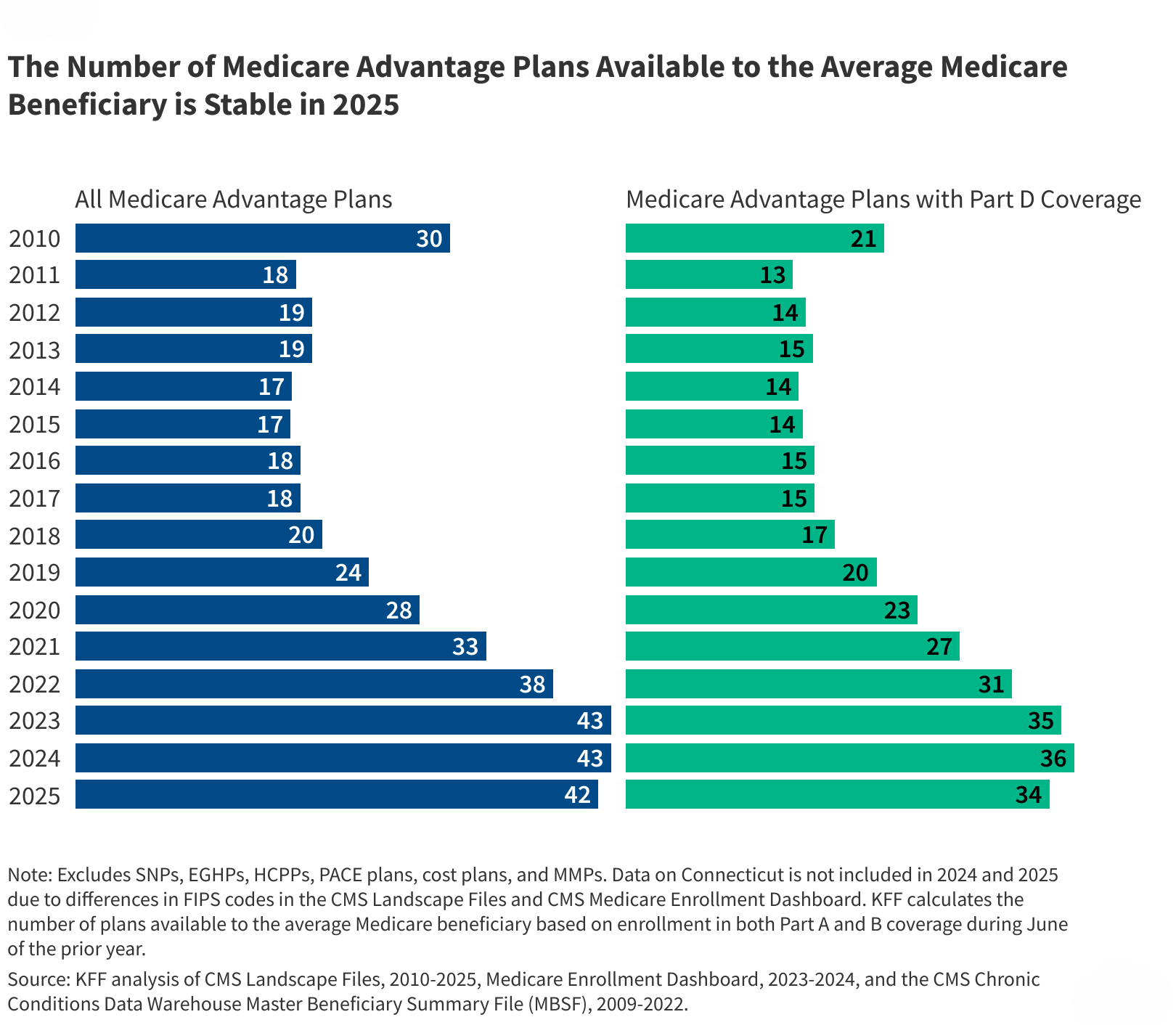
Medicare Advantage, also known as Medicare Part C, allows beneficiaries to receive Medicare benefits through private insurance plans approved by Medicare. These plans must cover all services included in original Medicare (Parts A and B) but often add supplemental benefits like vision, dental, and wellness programs. Over half of all Medicare beneficiaries now enroll in MA plans, reflecting their growing popularity.
Post-acute care refers to services provided after a hospital stay, including home health care, skilled nursing facility care, inpatient rehabilitation, and long-term care hospital services. Home health care delivers clinical services such as nursing, physical therapy, and wound care directly in a patient’s residence, aiming to support recovery while avoiding institutionalization.
The shift of patients from higher-cost settings like skilled nursing facilities to home health under MA plans aligns with broader goals of care coordination and cost efficiency. By managing utilization and negotiating rates with providers, MA plans aim to deliver appropriate care in the most cost-effective setting without compromising quality.
Impact on Providers and Ongoing Challenges
Despite the lack of statistically significant margin impacts at the aggregate level, individual providers—especially smaller home health agencies—report financial strain linked to MA plan growth. Lower payment rates from MA plans compared to fee-for-service Medicare, combined with increased administrative tasks like prior authorization submissions, contribute to operational challenges.
Prior authorization, a utilization management tool used by MA plans to assess the medical necessity of services before approval, remains a point of tension. While delays can postpone care initiation, MedPAC officials emphasized that most services are eventually approved upon appeal, suggesting that the burden is procedural rather than resulting in denied care.
The commission’s stance reflects a belief that operational issues within the MA framework can be addressed through process improvements rather than abandoning the model or imposing additional government price controls. Kan argued that walking away from MA would disregard its demonstrated value in improving care coordination and reducing unnecessary utilization.
MedPAC’s Role and Future Outlook
As an independent congressional advisory body, MedPAC analyzes access to care, quality of care, and payment adequacy for Medicare beneficiaries. Its recommendations influence congressional deliberations on Medicare policy, though they are not binding. The commission’s ongoing evaluation of MA’s effects on post-acute care providers underscores the complexity of balancing cost containment with provider sustainability.
Looking ahead, MedPAC is expected to continue monitoring MA plan behavior, provider feedback, and utilization trends. The next public meeting date has not yet been announced, but stakeholders anticipate further discussion on payment adequacy, prior authorization reform, and equity in access to home health services across different provider sizes and geographic regions.
For providers navigating these changes, staying informed about MA contract terms, leveraging appeals processes for authorization denials, and participating in industry advocacy efforts remain practical steps. Beneficiaries seeking to understand their MA plan’s home health coverage should review their plan’s evidence of coverage documents or contact member services directly.
As the Medicare landscape evolves with increasing MA enrollment, the tension between innovation in care delivery and the financial viability of providers will remain a central focus for policymakers, planners, and frontline health workers alike.
Keep reading