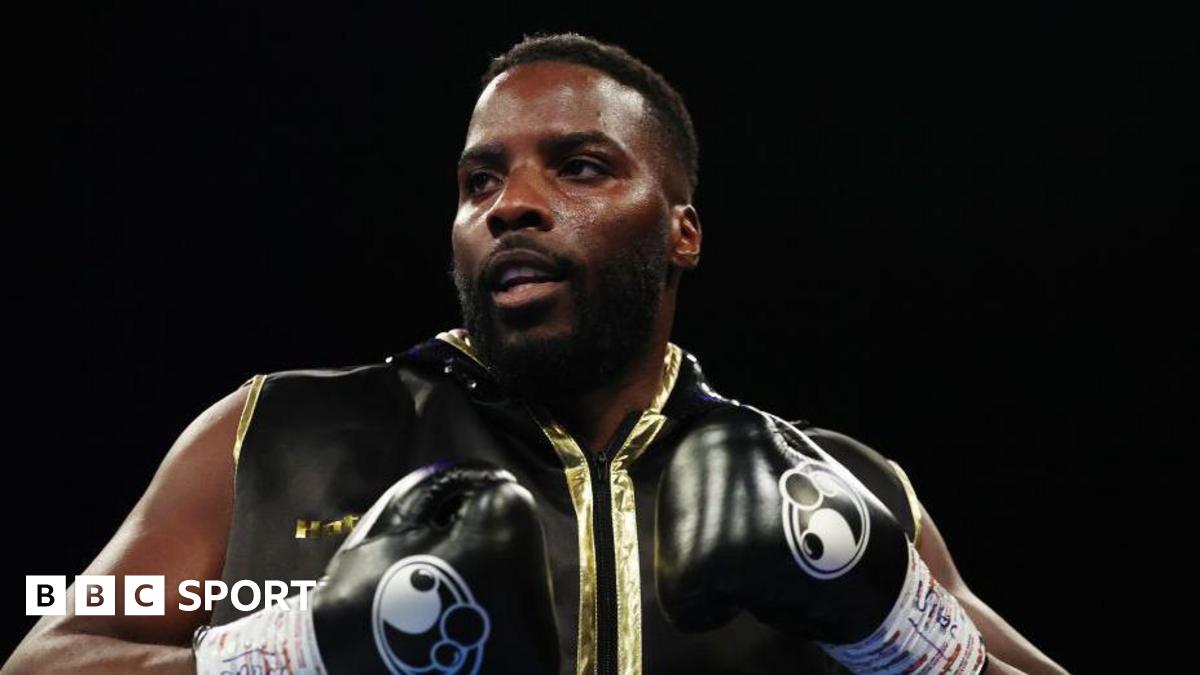
British boxer Lawrence Okolie has failed a doping test ahead of his scheduled heavyweight bout against Tony Yoka, resulting in the cancellation of the Paris fight card this weekend. The development was confirmed by promoter Queensberry Promotions on Tuesday, April 21, 2026, following notification from the Voluntary Anti-Doping Association (VADA) of an adverse finding in Okolie’s sample.
Okolie, a former cruiserweight world champion who moved up to the heavyweight division in 2024, was set to face Yoka—the 2016 Olympic super-heavyweight gold medallist—at Porte de La Chapelle in Paris on Saturday, April 25, 2026. The fight had been positioned as a significant step toward a potential world title shot, with Okolie ranked as the WBC’s number one contender at the time.
In a statement released via social media, Okolie addressed the adverse finding, explaining that it stemmed from medical treatment for an injury sustained during training camp. “Before anyone starts imagining the worst, following my bicep injury last year, I sustained an elbow injury on the same arm during this camp,” he wrote. “I had a treatment on it and now we are here. I truly hope sense prevails.” He added that he would fully cooperate with relevant authorities and expressed confidence that any investigation would clear his name.
Queensberry Promotions initially announced the adverse finding on Tuesday morning, stating that VADA had informed them of the result. Later that afternoon, the promoter confirmed the cancellation of the entire event, citing “circumstances outside of our control.” DAZN, the event’s broadcast partner, supported the decision. Refunds for tickets were directed to point-of-purchase channels.
Tony Yoka, who had previously served a one-year ban in 2018 for three missed doping tests under French anti-doping regulations, was preparing for his return to high-profile competition after a period of inactivity. The cancellation disrupts his planned comeback trajectory in the heavyweight division.
Understanding VADA and Anti-Doping Protocols in Boxing
The Voluntary Anti-Doping Association (VADA) is an independent organization that conducts year-round, random testing for athletes who opt into its program. Unlike mandatory testing administered by national anti-doping agencies, VADA’s services are used voluntarily by promoters and fighters seeking enhanced transparency in combat sports. Its protocols align with World Anti-Doping Agency (WADA) standards, including screening for substances such as anabolic agents, stimulants, and masking agents.
An “adverse finding” indicates the presence of a prohibited substance or its metabolites above the permitted threshold in a sample. However, it does not automatically constitute an anti-doping rule violation; athletes have the right to request analysis of their B sample and to present evidence regarding potential explanations, such as therapeutic use exemptions (TUEs) or contamination.
In boxing, where fighters often undergo intense physical strain and may use prescribed medications for injury management, the line between legitimate treatment and inadvertent doping violations can be complex. TUEs allow athletes to use otherwise prohibited substances for genuine medical conditions, but they must be approved in advance by the relevant anti-doping authority.
Implications for Lawrence Okolie’s Career and the Heavyweight Division
The outcome of this case could significantly affect Lawrence Okolie’s standing in the heavyweight division. Should the adverse finding be upheld, he faces a potential ban of up to four years under WADA’s Code, depending on the substance involved and his ability to demonstrate lack of intent or significant fault. Okolie turned 33 in December 2025, placing him in the latter stages of what is typically considered a boxer’s prime years.
Prior to moving to heavyweight, Okolie held the WBO cruiserweight title from 2019 to 2021 and briefly regained it in 2022. His transition to the heavier division has been marked by three wins, including a stoppage victory over Ebenezer Tetteh in December 2025. A suspension would halt his momentum just as he was positioning himself as a top challenger to Oleksandr Usyk, the undisputed heavyweight champion.
For the broader heavyweight landscape, the cancellation removes a high-profile matchup that had generated interest due to the contrasting styles and backgrounds of the two fighters. Okolie, known for his size, reach, and technical boxing ability, was expected to test Yoka’s power and aggression. Yoka, an Olympic champion with a professional record built on explosive combinations, had been seeking to re-establish himself among the division’s elite.
Next Steps in the Investigation Process
As of the latest verified updates, Lawrence Okolie has not requested analysis of his B sample, nor has he formally submitted a therapeutic use exemption application related to the reported elbow injury treatment. The next procedural step involves Okolie either accepting the adverse finding and any associated sanction or challenging it through the appropriate anti-doping channel, which in this case would likely be handled through national or international boxing federations in coordination with VADA and WADA.

Queensberry Promotions has not announced plans to reschedule the event, and no alternative opponent has been named for either fighter. Both athletes’ promotional teams are expected to issue further updates once the investigation progresses or if new information emerges regarding the status of the bout.
Fans seeking official updates are advised to monitor the websites of VADA, Queensberry Promotions, and the respective national boxing federations of the United Kingdom and France. Social media accounts of the fighters and promoters may also provide timely notifications, though these should be cross-referenced with authoritative sources for accuracy.
The boxing community will be watching closely to see how this situation unfolds, particularly given the heightened scrutiny around performance-enhancing substances in combat sports and the importance of maintaining public trust in the fairness of competition.
If you have thoughts on this development or questions about the anti-doping process in boxing, we encourage you to share them in the comments below. Please feel free to share this article with others who may be interested in the latest news from the world of sports.
Keep reading