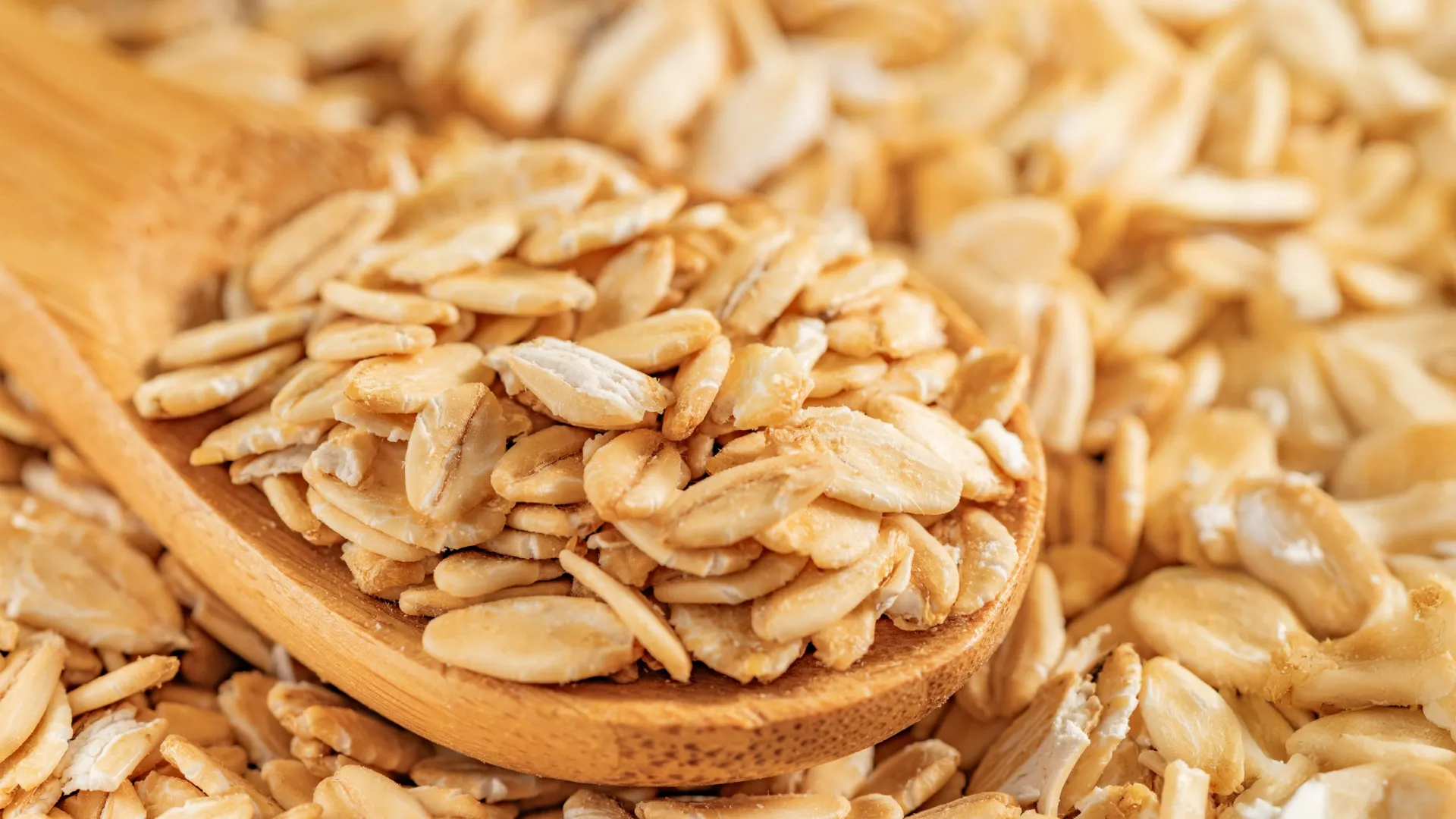
Just Two Days of Oatmeal Cut Bad Cholesterol by 10%, Study Finds
A new clinical trial has found that consuming mostly oatmeal for just two days led to a significant 10% reduction in harmful LDL cholesterol among adults with metabolic syndrome. The study, conducted by researchers at the University of Bonn in Germany, showed that participants who followed a strict oat-based diet for 48 hours experienced measurable improvements in lipid metabolism, with benefits persisting six weeks after the intervention ended.
The findings, published in the journal Nature Communications on March 4, 2026, suggest that short-term dietary changes involving oats may offer a practical approach to managing cardiovascular risk factors. Unlike long-term diet modifications that can be difficult to sustain, this brief intervention produced notable results without requiring extreme or prolonged lifestyle changes.
Metabolic syndrome, a cluster of conditions including excess abdominal fat, high blood pressure, elevated blood sugar, and abnormal cholesterol levels, increases the risk of heart disease, stroke, and type 2 diabetes. Addressing even one component—such as LDL cholesterol—can contribute to meaningful reductions in long-term health risks.
How the Oatmeal Study Was Conducted
The randomized controlled trial included 68 adults diagnosed with metabolic syndrome, who were divided into two groups. One group followed a calorie-reduced oat-based diet for two days, consuming 300 grams of oatmeal per day divided into three meals, while also reducing their normal caloric intake by about half. During this phase, participants were allowed only small amounts of fruit or vegetables as additions to their meals.
The control group also reduced their calorie intake by approximately 50% but did not consume oats, instead following their usual dietary patterns with lowered energy intake. Two individuals in the control group withdrew from the study for personal reasons, leaving 17 in the oat group and 15 in the control group for final analysis.
Both groups experienced some benefits from reduced calorie consumption, but the oat group showed significantly greater improvements in cholesterol levels. According to study co-author Marie-Christine Simon, a junior professor at the University of Bonn’s Institute of Nutritional and Food Science, the level of particularly harmful LDL cholesterol fell by 10% in the oat-consuming group—a substantial reduction, though not equivalent to the effects of cholesterol-lowering medications like statins.
Role of the Gut Microbiome in Cholesterol Reduction
Researchers noted that the cholesterol-lowering effect of oats extends beyond their fiber content. Analysis revealed increases in specific microbial phenolic metabolites—compounds produced when gut bacteria break down components of oats—suggesting that the gut microbiome plays an active role in mediating the metabolic benefits.
Plasma levels of ferulic acid increased in both the short-term high-dose and six-week moderate oat intake groups, while dihydroferulic acid rose only in the high-dose, two-day oat group. These compounds are believed to contribute to improved lipid metabolism by influencing liver function and cholesterol synthesis pathways.
This interaction between dietary oats and gut microbiota highlights a growing area of nutritional science focused on how food components influence microbial activity, which in turn affects host health. The study adds to evidence that whole grains like oats can act as prebiotics, supporting beneficial bacterial populations that produce bioactive molecules with systemic effects.
Sustained Benefits Beyond the Intervention Period
One of the most surprising findings was that the improvements in LDL cholesterol were still detectable six weeks after the two-day oatmeal period ended. Participants in the oat group maintained lower levels of harmful cholesterol despite returning to their regular diets, suggesting that even brief dietary shifts may trigger lasting physiological changes.
The researchers speculated that the initial improvement in gut microbiome composition or function during the oat phase could have initiated a cascade of metabolic adaptations that persisted beyond the intervention. Alternatively, the short-term exposure to oat-derived polyphenols and fiber may have influenced gene expression related to cholesterol handling in the liver or intestines.
These results challenge the assumption that only prolonged dietary modifications yield meaningful health benefits. Instead, they support the idea that strategic, short-term nutritional interventions—sometimes referred to as “metabolic resets”—could serve as useful tools in preventive cardiology, particularly for individuals who struggle with long-term adherence to complex diet plans.
Implications for Public Health and Dietary Guidance
For public health professionals and clinicians, the study offers a low-cost, accessible strategy that could be recommended as part of a broader approach to managing metabolic syndrome. Oats are widely available, affordable, and generally well-tolerated, making them a feasible option for diverse populations across different socioeconomic backgrounds.
Nutrition experts caution, however, that while the results are promising, they should not be interpreted as a replacement for evidence-based treatments such as statin therapy in individuals with high cardiovascular risk. Instead, oat-based short-term diets may serve as a complementary approach, especially for those with mild to moderate lipid abnormalities or as a motivating first step toward healthier eating habits.
The study also underscores the importance of considering individual variability in response to dietary interventions. Factors such as baseline gut microbiome composition, genetics, and overall diet quality may influence how effectively a person responds to oat consumption, highlighting the necessitate for personalized nutrition strategies in future research.
Oats and Heart Health: What Consumers Should Know
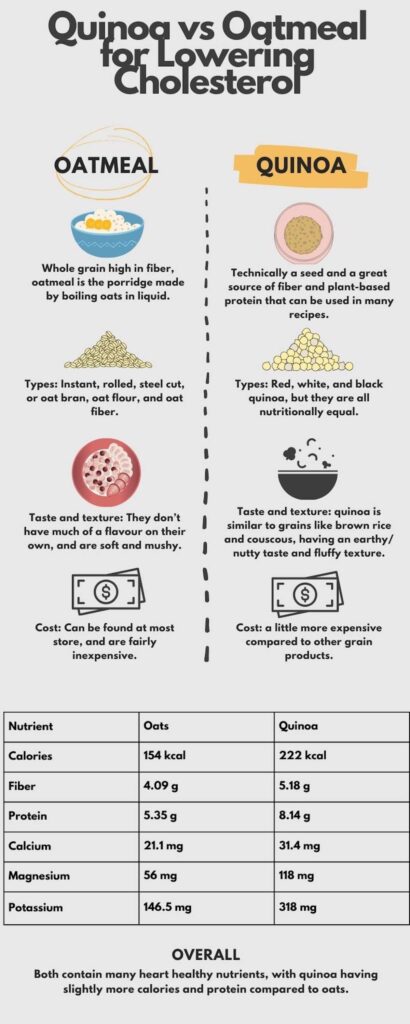
Oats have long been recognized for their cardiovascular benefits, primarily due to their high content of beta-glucan, a soluble fiber known to help lower LDL cholesterol by binding to bile acids and promoting their excretion. The current study builds on this knowledge by demonstrating that even brief exposure to oats can produce measurable effects, particularly when combined with moderate calorie reduction.

For individuals interested in trying a similar approach, experts recommend using plain, rolled, or steel-cut oats without added sugars or flavorings. Preparing oatmeal with water or unsweetened plant-based milk and topping it with fresh berries, nuts, or seeds can enhance nutritional value while keeping added sugars and saturated fats low.
We see also advised to consult a healthcare provider before making significant dietary changes, especially for people with diabetes, kidney disease, or gastrointestinal conditions, as sudden shifts in fiber intake may affect blood sugar or digestive tolerance.
Next Steps in Research
The research team at the University of Bonn plans to investigate whether repeating the two-day oatmeal protocol periodically—such as once a month—could lead to cumulative benefits over time. They also aim to explore how different varieties of oats and processing methods (e.g., instant vs. Whole grain) affect microbial metabolite production and cholesterol outcomes.
Larger, longer-term studies are needed to determine whether this type of intermittent oat-based intervention can reduce actual cardiovascular events like heart attacks or strokes. Scientists hope to identify biomarkers that could predict which individuals are most likely to benefit from such dietary strategies.
As interest grows in the gut microbiome’s role in metabolism, future trials may combine oat consumption with targeted probiotics or prebiotics to amplify the observed effects. Such approaches could pave the way for nutritionally based therapies that harness the body’s own microbial ecosystems to improve metabolic health.
For now, the evidence supports the idea that something as simple as a couple of days of oatmeal may offer a meaningful, science-backed step toward better cholesterol management—one that is both practical and grounded in rigorous clinical research.
Worth a look