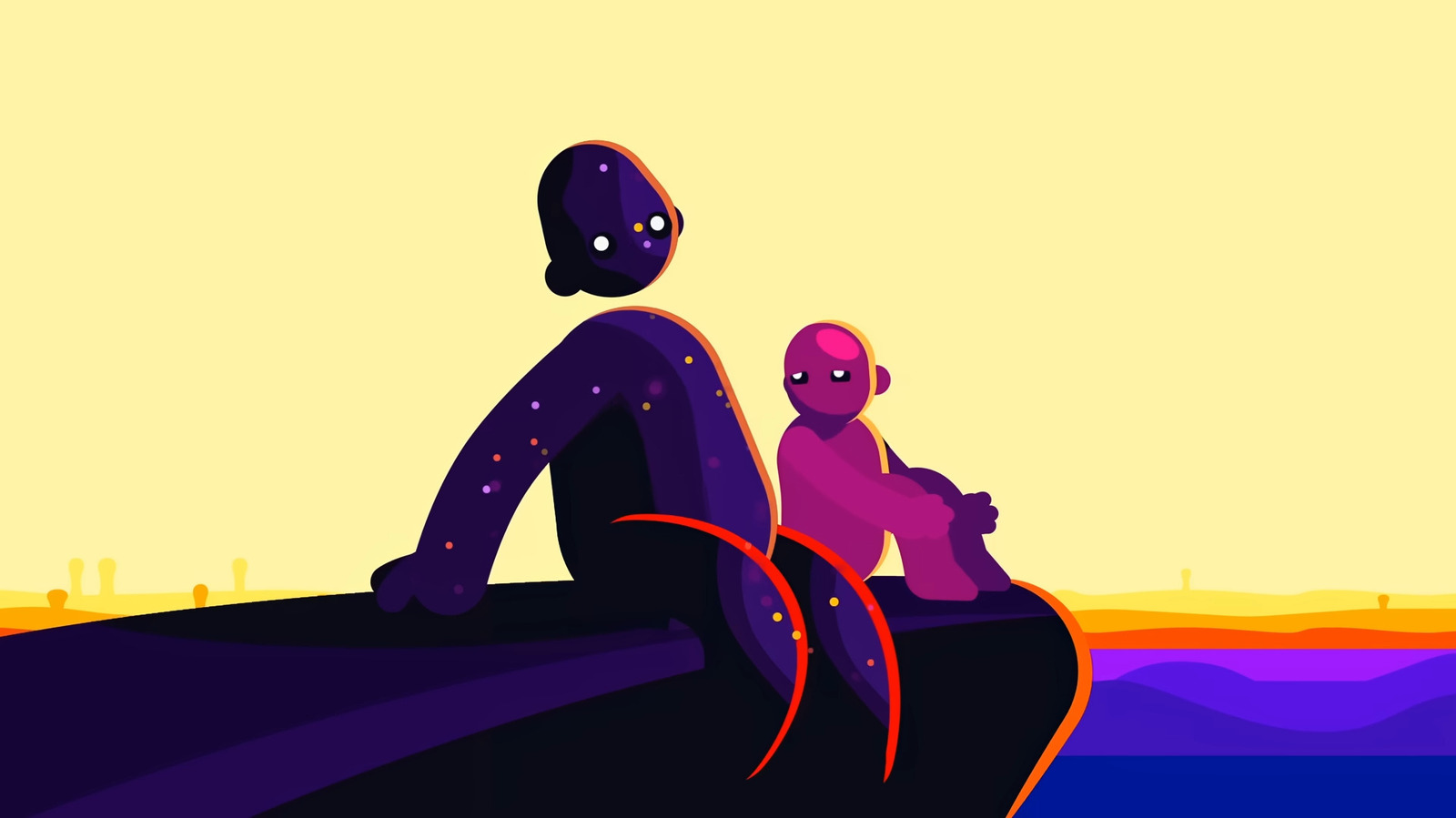
When discussing Andy Weir’s adaptations, most fans immediately think of The Martian, the gripping survival story that became a blockbuster film starring Matt Damon under Ridley Scott’s direction. Yet beyond the red sands of Mars, Weir’s creative portfolio includes a lesser-known gem that has quietly found new life in an unexpected place: YouTube. The short story The Egg, originally published on Weir’s personal website in 2009, has been adapted into an animated short film now available to stream for free on the platform, offering viewers a profound philosophical experience that contrasts sharply with the hard science of his more famous works.
This adaptation represents a fascinating departure from Weir’s typical hard science fiction approach. While The Martian and Project Hail Mary meticulously calculate orbital mechanics and botanical survival strategies, The Egg explores metaphysical concepts through a minimalist narrative. The story presents a dialogue between a recently deceased individual and a mysterious entity who reveals that all human beings throughout history are actually incarnations of the same consciousness, living sequential lives to eventually mature into a god-like being. This concept of universal interconnectedness and reincarnation across time has resonated with audiences seeking more contemplative science fiction.
The animated adaptation that streams on YouTube remains remarkably faithful to Weir’s original text. Clocking in at just under five minutes, the short film uses simple yet effective visual storytelling to convey the story’s profound message. Unlike the effects-laden spectacle of The Martian movie, this adaptation relies on voiceover narration and symbolic imagery to create its impact. The minimalist approach actually serves the material well, allowing viewers to focus on the philosophical weight of the dialogue rather than becoming distracted by technical spectacle.
What makes this particular adaptation noteworthy is its accessibility. While Weir’s novels require significant time investment and his Hollywood adaptations demand theater tickets or streaming subscriptions, The Egg animated short is freely available to anyone with an internet connection. This democratization of access aligns with Weir’s own history as a writer—he initially self-published The Martian chapter by chapter on his website before traditional publishing picked it up. The free YouTube availability of The Egg adaptation continues this spirit of direct creator-to-audience distribution.
The YouTube version has garnered significant attention since its posting, with view counts reaching into the millions across various uploads. Comments on the video frequently mention how the story changed their perspective on life, death, and human connection. Some viewers describe watching it during periods of personal reflection or grief, finding comfort in its message that every act of kindness toward another person is ultimately kindness toward oneself across time. This emotional resonance has helped the adaptation spread organically through social media sharing, despite lacking the marketing push of a major studio release.
From a creative standpoint, adapting The Egg presents unique challenges compared to Weir’s other works. Translating hard science concepts to film involves visualizing technical details—showing the process of growing potatoes on Mars or calculating trajectories through space. But how does one visualize the nature of consciousness or the experience of living every human life that has ever existed? The animated adaptation meets this challenge by using abstract visual metaphors—light patterns, flowing forms, and symbolic representations of interconnectedness—rather than literal depictions. This approach demonstrates how animation can effectively convey concepts that might be tough or impossible to portray in live-action.
The availability of this adaptation on YouTube also highlights evolving patterns in how audiences consume short-form content. While traditional publishing markets often struggle with very short works (stories under 5,000 words frequently find limited outlets), digital platforms have created new opportunities for such pieces. The five-minute runtime of The Egg adaptation fits perfectly within contemporary viewing habits, where audiences frequently engage with content in brief sessions between other activities. This format allows for meaningful philosophical engagement without requiring the time commitment of a feature film or novel.
For educators and discussion groups, the free availability of this adaptation presents particular value. Philosophy instructors have reported using the video in classrooms to introduce concepts of personal identity, ethics, and metaphysical interconnectedness. The story’s accessibility—combined with its brevity and visual engagement—makes it an effective teaching tool that can spark meaningful conversation in a single class period. Similarly, book clubs and meditation groups have incorporated viewings into their meetings as a starting point for discussions about empathy and human connection.
Weir himself has acknowledged the unusual appeal of The Egg compared to his other works. In various interviews, he has noted that while The Martian appeals primarily to science enthusiasts and Project Hail Mary to fans of hard sci-fi adventure, The Egg seems to resonate across demographic and interest boundaries. The story requires no scientific background to appreciate—only a willingness to contemplate fundamental questions about existence. This broad appeal helps explain why the free YouTube adaptation has found such a wide audience despite minimal promotion.
The technical execution of the YouTube adaptation also deserves recognition. Rather than simply presenting a static reading of the text, the animated version uses pacing, visual metaphors, and audio design to enhance the narrative experience. Key moments in the dialogue are emphasized through corresponding visual shifts—for instance, when the entity reveals the true nature of reality, the animation often transitions to more expansive, interconnected imagery. This thoughtful adaptation demonstrates how digital shorts can effectively translate literary concepts to visual media while respecting the source material’s integrity.
As streaming platforms continue to dominate entertainment consumption, the presence of quality literary adaptations like this one on free, accessible services represents an critical development. It suggests that meaningful content doesn’t always require a paywall or major studio backing to reach audiences. For viewers who have enjoyed Weir’s novels or films, discovering The Egg offers a different facet of his creative vision—one that trades technical problem-solving for metaphysical exploration while maintaining his characteristic clarity of thought and narrative precision.
The continued availability of this adaptation on YouTube ensures that new audiences can discover this underrated function. Unlike time-limited streaming deals or rotating digital catalogs, YouTube’s open platform allows creators to maintain long-term availability of their work. This permanence means that years from now, individuals searching for thoughtful science fiction will still be able to access this adaptation freely, potentially experiencing the same perspective-shift that has affected so many viewers since its release.
For those interested in exploring Andy Weir’s full creative range beyond his bestselling novels, this free YouTube adaptation provides an accessible entry point to his more philosophical side. It demonstrates that his talents extend beyond hard science fiction into realms of speculative philosophy and spiritual inquiry—all conveyed with the same careful attention to logical consistency that characterizes his better-known works. In an entertainment landscape often dominated by spectacle, this quiet, thoughtful adaptation available at no cost reminds us that sometimes the most profound stories approach in the smallest packages.
Keep reading