
Leicester City’s descent from Premier League champions to England’s third tier marks one of the most dramatic falls in modern football history. Just ten years after lifting the Premier League trophy in 2016, the Foxes were officially relegated to League One following a 2-2 draw with Hull City on April 21, 2026. The result confirmed their place in the bottom two of the EFL Championship with two matches remaining, making mathematical survival impossible.
The relegation comes after a season of financial and sporting turmoil for the club. Leicester had already been deducted six points earlier in the 2025/26 Championship season for breaching the English Football League’s profitability and sustainability rules. An independent commission ruled that the violations spanned three years, ending in the 2023/24 season, a penalty Leicester described as “disproportionate.” Despite the deduction, the club had briefly hoped for a late escape, but consecutive results left them seven points from safety with only two games left.
This double relegation — from the Premier League to the Championship in 2024/25, and then to League One in 2025/26 — makes Leicester only the fifth club in English football history to suffer back-to-back drops to the third tier. Their fall is particularly striking given their recent achievements: a Premier League title in 2015/16, a UEFA Champions League quarterfinal appearance in 2016/17, and an FA Cup triumph in 2021. Now, for the first time since 2009, Leicester will compete in League One.
Financial Struggles Behind the Sporting Decline
The roots of Leicester’s downfall lie in financial mismanagement following their Premier League glory. While champions, clubs typically earn between £100 million and £110 million in broadcast revenue. However, upon relegation to the Championship, that income plummeted to approximately £5 million annually. This stark revenue drop exposed the club’s inability to adjust its wage structure and operational costs in time.
Leicester had attempted to maintain competitiveness by retaining key players from their title-winning squad, including Jamie Vardy, who remained at the club until 2025. However, sustaining Premier League-level wages on Championship revenues proved unsustainable. The club’s failure to implement a realistic financial plan for life after top-flight football led to mounting losses, ultimately triggering the EFL’s profitability and sustainability sanctions.

These rules are designed to prevent clubs from spending beyond their means over a rolling three-year period. Leicester’s breach was deemed severe enough to warrant a six-point deduction — a significant blow in a tightly contested Championship race. Manager Gary Rowett acknowledged the broader context of the relegation, stating after the Hull City draw: “The bigger picture is you don’t get relegated over three or four games, you get relegated over a season. We have to learn. I perceive the club have to accept Here’s the horrible part of the journey of a football club.”
Historical Context and Fan Reaction
The confirmation of Leicester’s relegation sparked strong reactions from supporters. Fans protested against the club’s ownership, with many demanding change and booing the players off the field at the King Power Stadium. For a fanbase that had witnessed one of the greatest underdog stories in sports history just a decade prior, the rapid decline was tricky to process.
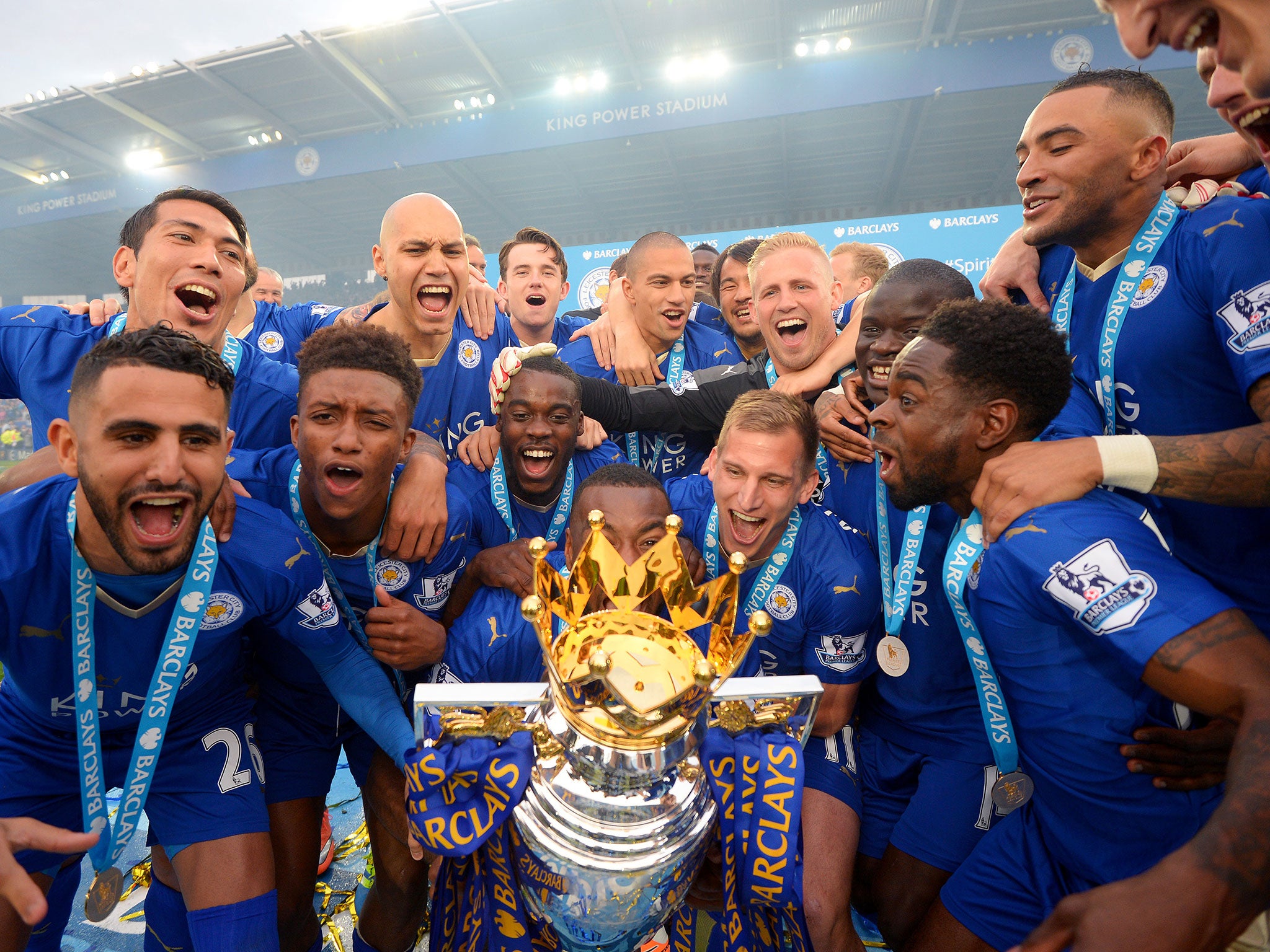
Leicester’s 2015/16 Premier League win, achieved at 5000-1 odds, had captivated the world. Under manager Claudio Ranieri, the team defied expectations to turn into champions, later reaching the Champions League quarterfinals and winning the FA Cup in 2021. That era now feels like a distant memory as the club prepares for life in England’s third division.
Historically, Leicester last played in the third tier during the 2008/09 season. Their return to League One marks a full-circle moment, albeit one defined by struggle rather than success. The club now faces the challenge of rebuilding both on and off the pitch, with reduced revenue and a necessitate to restore trust among its supporters.
What Lies Ahead for Leicester City
With the 2025/26 Championship season concluding in two matches, Leicester’s immediate focus shifts to planning for League One. The club will operate under significantly reduced financial parameters, necessitating a careful reassessment of player contracts, recruitment strategy, and youth development.
On-field, the priority will be stabilizing the squad and avoiding further decline. Off-field, regaining fan confidence and demonstrating financial responsibility will be critical. The EFL’s profitability and sustainability rules will continue to apply, meaning Leicester must demonstrate compliance to avoid further point deductions.
As of now, no official date has been set for the release of the retained list or the appointment of a new sporting director, though such announcements are expected in the coming weeks as the club begins its League One campaign preparations.
For updates on Leicester City’s transition to League One, including official statements, fixture releases, and squad news, fans are encouraged to monitor the club’s official website and verified social media channels.
What are your thoughts on Leicester City’s fall from Premier League champions to League One? Share your perspective in the comments below and join the conversation on social media.
- WWE Raw Lineup: Becky Lynch & Stephanie Vaquer Return, Penta vs. Laredo Kid
- Malawi Stuns Ghana to Reach WAFCON Semis and Secure Historic 2027 World Cup Qualification
- Associate Lawyer: Public Economic, Procurement and Administrative Law (0-3 Years Experience) – Luther (world-today-news.com)
- North Carolina Wins 2026 Little League Softball World Series (news-usa.today)