President Donald Trump announced on Monday, April 7, 2026, that the United States and Iran had reached a two-week ceasefire agreement, averting an imminent military confrontation over Iran’s nuclear program and regional activities. The declaration came just hours before a self-imposed deadline for military action, following days of escalating rhetoric in which Trump warned of devastating consequences should negotiations fail.
The agreement, described by Trump as “very far along” toward a “definitive” peace deal, includes a suspension of hostilities by both sides and Iran’s commitment to reopen the Strait of Hormuz to commercial shipping, a vital artery for global oil markets. In return, the U.S. Agreed to delay planned strikes on Iranian energy and transportation infrastructure, which had been signaled as a potential response to stalled diplomacy.
According to Trump’s post on his social media platform at 18:32 Washington time, the ceasefire allows space for direct negotiations over the next two weeks to pursue a lasting settlement. The announcement triggered immediate market reactions, with oil prices falling below $100 per barrel for the first time in days and U.S. Stock futures rising, reflecting investor relief at the de-escalation of tensions in the Persian Gulf.
However, analysts caution that the pause does not resolve the underlying disputes that have brought the U.S. And Iran to the brink of conflict. Core issues remain unresolved, including Iran’s uranium enrichment levels, its ballistic missile program, and regional influence through allied groups in Iraq, Syria, Lebanon, and Yemen. The U.S. Continues to demand verifiable limits on Iran’s nuclear activities, while Tehran insists on the lifting of economic sanctions as a precondition for any meaningful concessions.
The ceasefire follows a pattern of high-stakes brinkmanship characteristic of Trump’s foreign policy approach, where maximum pressure tactics are used to extract concessions, often bringing the parties close to conflict before a diplomatic opening emerges. In this case, the administration had framed the situation as urgent, with officials warning that failure to reach an agreement by the April 7 deadline would trigger military action targeting Iran’s infrastructure.
Iranian officials have publicly affirmed their willingness to comply with the ceasefire terms, including the reopening of the Strait of Hormuz, while maintaining that they retain sovereignty over the waterway. Iranian Foreign Minister Abbas Araghchi reiterated Tehran’s position that any negotiations must occur on equal footing and without preconditions, a stance that has historically complicated direct talks with the United States.
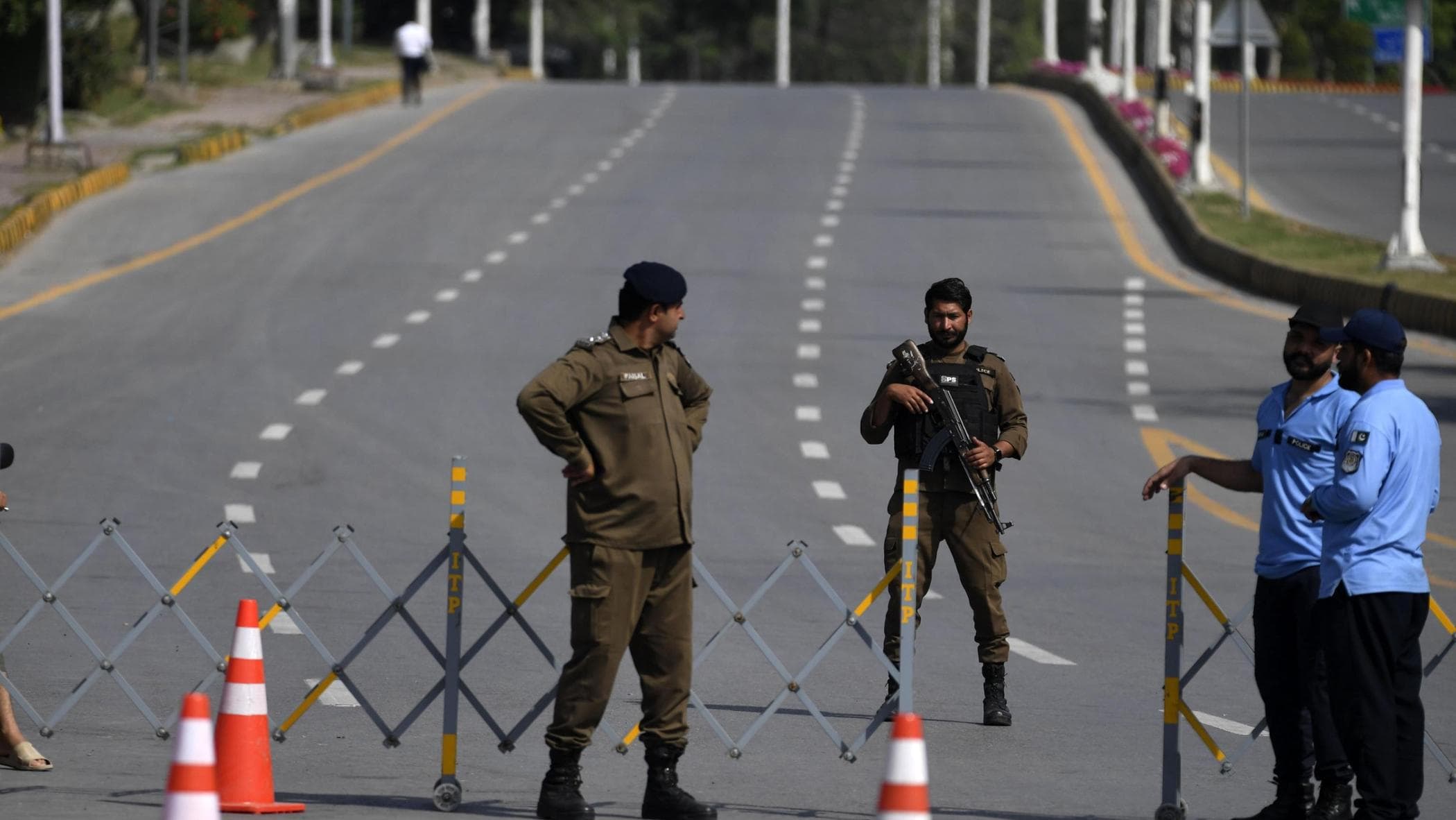
The involvement of third-party mediators has been reported in recent days, with backchannel discussions reportedly taking place in Oman and indirect communications explored through Pakistani channels. However, a planned meeting in Islamabad between U.S. And Iranian representatives was reportedly postponed or canceled amid disagreements over the agenda and venue, highlighting the fragility of the diplomatic process even as the ceasefire holds.
Market analysts noted that the temporary de-escalation has already influenced energy trading, with Brent crude futures showing volatility in response to each development in the talks. The prospect of sustained peace in the region remains uncertain, as both domestic political pressures in the U.S. And ideological positions within Iran’s leadership continue to shape the negotiation landscape.
As the two-week window begins, international observers are watching for signs of substantive progress beyond the temporary pause. Key indicators will include whether Iran agrees to limit uranium enrichment to levels consistent with civilian use, whether the U.S. Offers tangible sanctions relief in return, and whether regional security concerns can be addressed through confidence-building measures.
The next major development to watch is the conclusion of the two-week negotiation period, expected around April 21, 2026, when officials will assess whether a framework for a longer-term agreement has emerged or if the risk of renewed confrontation returns. No formal extension of the ceasefire has been announced as of this writing.
For ongoing updates on the U.S.-Iran negotiations, readers can follow official statements from the U.S. State Department and the Ministry of Foreign Affairs of the Islamic Republic of Iran, as well as coverage from reputable international news organizations monitoring the situation in real time.
We invite our readers to share their perspectives on this evolving diplomatic situation in the comments below and to help spread informed discussion by sharing this article with others interested in global affairs and peacebuilding efforts.