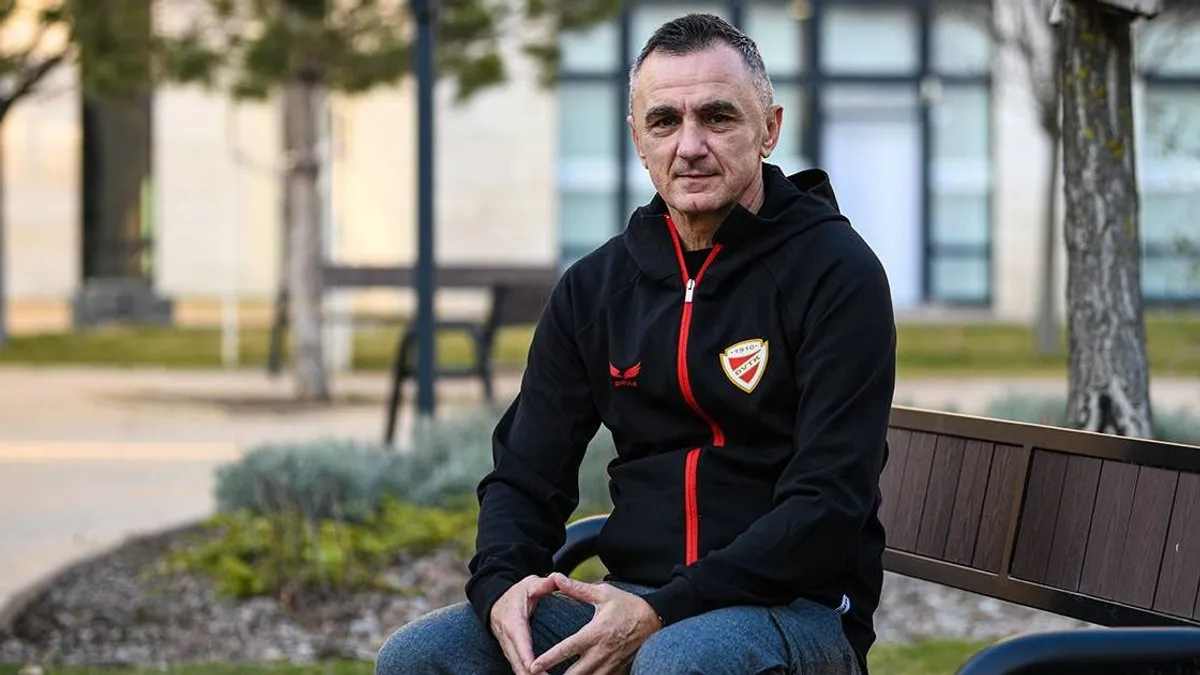
Diósgyőri VTK, a historic Hungarian football club based in Miskolc, is facing a period of significant turmoil following a string of poor results that have led to managerial changes and squad adjustments. The club, which competes in the Nemzeti Bajnokság II, the second tier of Hungarian football, has seen its season unravel amid growing pressure from fans and media. Recent reports indicate that the head coach was dismissed after a run of defeats, leaving the team in search of stability as it battles to avoid further decline in the league standings.
The situation at Diósgyőri VTK has drawn attention not only for its on-field struggles but also for the public statements made by departing staff, including the former head coach, who spoke openly about the challenges faced during his tenure. In interviews, he cited difficulties in building team cohesion and adapting to the competitive demands of the league, while expressing regret over missed opportunities to turn the season around. His comments have added to the narrative of a club in transition, grappling with both performance and internal dynamics.
Further compounding the instability, several foreign players—referred to as légiós in Hungarian football terminology—were reportedly removed from the squad amid the crisis. These departures, which included players from various international backgrounds, were described by club sources as part of a broader effort to restructure the team. The moves have raised questions about the club’s recruitment strategy and long-term planning, particularly as it seeks to rebuild competitiveness in a challenging division.
Despite the upheaval, there have been moments of resilience, with some players earning recognition for individual performances even amid team struggles. A few Diósgyőri VTK athletes were named among the best performers in a recent matchweek, standing out in a round that featured strong showings from players across the league. These acknowledgments have provided a sliver of positivity, suggesting that talent remains within the squad despite the broader difficulties.
The club’s recent history reflects a pattern of fluctuation between the top two tiers of Hungarian football. Diósgyőri VTK has experienced multiple promotions and relegations over the past decade, often tied to financial constraints, managerial instability and challenges in maintaining squad depth. As one of the traditional clubs from northeastern Hungary, it carries a loyal fanbase and a legacy that includes past appearances in the Nemzeti Bajnokság I and participation in European competitions.
Efforts to stabilize the situation have included behind-the-scenes discussions about leadership appointments and potential reinforcements, though no official announcements have been made regarding a new head coach or significant signings as of the latest verified reports. The club’s management has emphasized the require for patience and unity, urging supporters to remain engaged during what it describes as a necessary phase of evaluation and adjustment.
Looking ahead, Diósgyőri VTK’s immediate focus will be on securing results in upcoming fixtures to distance itself from the relegation zone. The Nemzeti Bajnokság II remains highly competitive, with several clubs vying for promotion to the top flight, making every point critical. The team’s ability to respond to adversity will likely determine whether it can stabilize its season or face further setbacks in the months to reach.
For now, the club finds itself at a crossroads, balancing the need for immediate improvement with the longer-term goal of building a sustainable model. Observers will be watching closely to notice how the leadership navigates this challenging period and whether the squad can rediscover the form that has historically defined it as one of Hungary’s resilient football institutions.
As developments continue, fans and analysts alike are encouraged to follow official club channels for verified updates on team news, match schedules, and official statements. Transparency and communication will be key as Diósgyőri VTK works to regain its footing in one of Europe’s most passionate football landscapes.
Keep reading
- Daniel Stahl Reveals Why His Tokyo World Title is His Greatest Achievement
- National Bank Open Montreal: Tsitsipas, Popyrin and Chan Qualify for Main Draw
- Juventus Coach Luciano Spalletti Addresses Inter Clash and Transfers (archyworldys.com)
- McKinney Focuses on Competition in Three-Way Scrimmage Against Cougars and New Albany (news-usa.today)