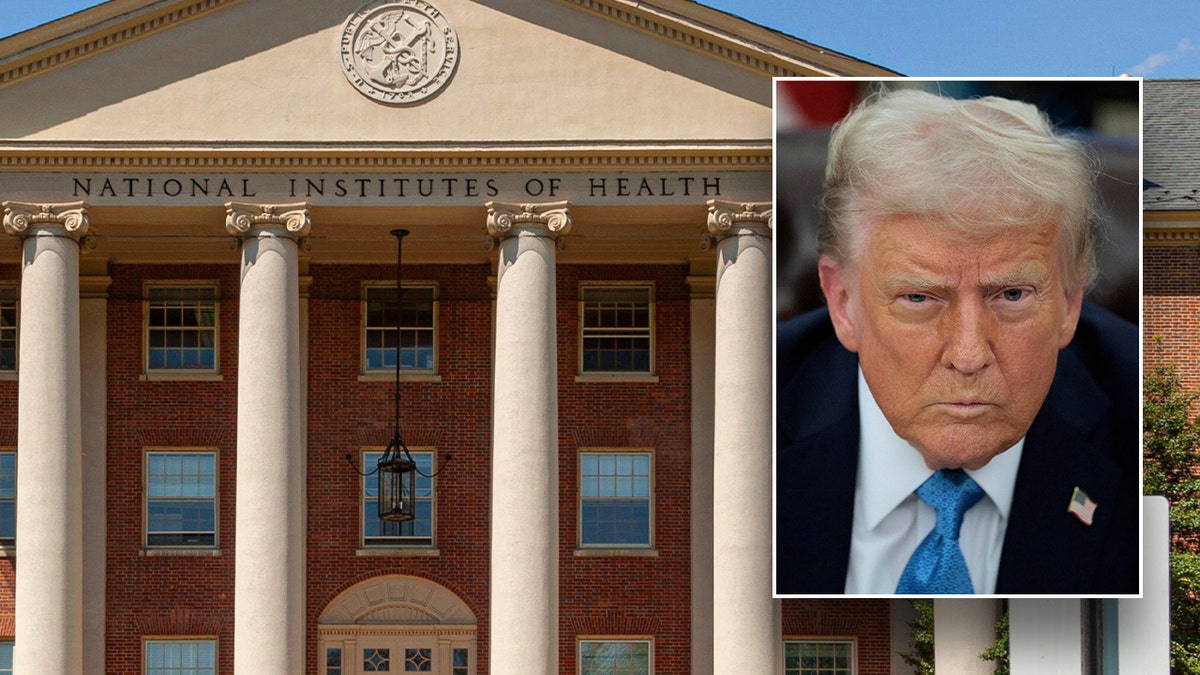
As the Trump administration enters its second year, the pace of National Institutes of Health (NIH) funding reductions has intensified, continuing a trend that began shortly after Robert F. Kennedy Jr. Assumed leadership of the Department of Health and Human Services. The sweeping cuts, which targeted grants across biomedical research, have affected institutions nationwide, including public universities and research centers in states that supported the president in the 2024 election.
According to a KFF Health News analysis, the NIH terminated approximately 780 grants or parts of grants between February 28 and March 28, 2025, based on documents published by HHS and a list maintained by academic researchers. About 40% of the organizations impacted were located in states won by Donald Trump in November 2024, indicating the reductions were not confined to Democratic-leaning areas or elite private institutions.
The administration has cited executive orders aimed at ending federal work on diversity, equity, and inclusion (DEI) initiatives as a key driver behind many terminations. Grants supporting research on vaccination, LGBTQ+ health, and DEI programs have been particularly affected, with officials aligning the cuts with the conservative policy framework outlined in Project 2025’s “Mandate for Leadership.”
Beyond Ivy League universities such as Columbia and Harvard—which were singled out for broad funding reductions—the cuts have extended to flagship state schools. At least 94 public universities lost NIH grants, including institutions in Florida, Georgia, Ohio, Nebraska, and Texas. These schools represent a significant portion of the nation’s biomedical research infrastructure, particularly in regions historically reliant on federal science funding.
Researchers affected by the terminations have warned that the disruption undermines efforts to address health disparities, noting that diseases and health conditions do not impact all populations equally. The loss of funding has forced some labs to scale back operations, delay studies, or seek alternative financing, raising concerns about long-term damage to the U.S. Scientific enterprise.
The NIH, as the largest public funder of biomedical research in the United States, plays a critical role in supporting innovation in areas ranging from cancer treatment to infectious disease response. Sustained reductions in its grant-making capacity could slow progress on medical breakthroughs and weaken the country’s preparedness for future public health challenges.
While the administration has framed the cuts as necessary to realign federal priorities with conservative values, critics argue the approach disregards scientific consensus and risks politicizing research funding. The ongoing reductions have prompted concern among scientific associations, patient advocacy groups, and bipartisan lawmakers who warn that undermining NIH’s mission could have lasting consequences for public health.
As of April 2026, no official announcement has indicated a reversal or pause in the funding reduction strategy. Researchers and institutions continue to monitor HHS notices and grant status updates for further developments. Officials have not responded to repeated requests for comment on the long-term implications of the cuts.
For updates on NIH grant status and federal research funding policies, the public can refer to the Department of Health and Human Services website and the NIH Office of Extramural Research portal, which provide regularly updated information on funding opportunities and policy changes.
We encourage readers to share their perspectives and experiences related to changes in federal research funding. Your insights help inform ongoing coverage of this critical issue affecting science and public health in the United States.
- Hong Kong Woman Recalls “Century Panic” After Phone Dies in Central: A Heartwarming Encounter That Lasted a Lifetime
- North American Revenue Drops 9% to $610 Million
- Blanche Confirmation Complicated by Trump IRS Lawsuit Settlement Scrutiny (newsdirectory3.com)
- Tariff vs. Price Floor: What Trump's New Solar Rule Does (daybreakwire.com)