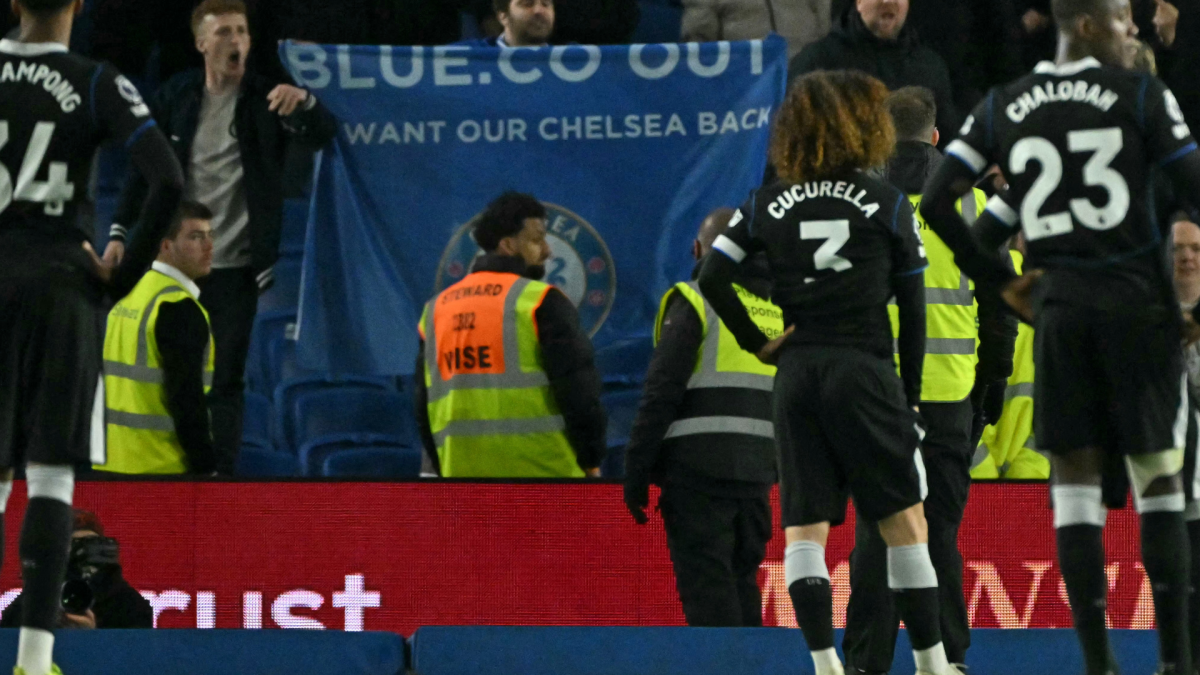
Now what for Chelsea? Five losses in a row for manager Liam Rosenior leave few good short or long-term options
Chelsea Football Club finds itself in a precarious position as of Wednesday, April 22, 2026, having suffered five consecutive defeats across all competitions. The latest loss came at the hands of Brighton & Hove Albion, who secured a commanding victory that further dented Chelsea’s hopes of qualifying for next season’s UEFA Champions League. With the pressure mounting on head coach Liam Rosenior, questions are intensifying about the club’s immediate trajectory and the viability of long-term planning under current ownership.
The Blues’ recent form represents one of the worst runs in the club’s modern era, with defensive frailties and a lack of cutting edge in the final third becoming recurring themes. Despite significant investment in playing staff over recent transfer windows, the team has failed to coalesce into a cohesive unit capable of challenging for top-four honors in the Premier League. Supporters have grown increasingly vocal in their dissatisfaction, particularly regarding the team’s inability to grind out results against mid-table opposition.
Liam Rosenior, who took over as head coach earlier in the 2025-26 season, has maintained public confidence in the backing of Chelsea’s ownership group, BlueCo. In recent interviews, Rosenior stated that he believes the owners remain committed to his vision and are providing the necessary support to turn the situation around. However, the continued string of defeats has led to widespread speculation about his future, with many questioning whether the club’s hierarchy will opt for a change in leadership should results not improve in the coming weeks.
Brighton’s victory over Chelsea on April 20, 2026, was particularly damaging, as it exposed critical weaknesses in Chelsea’s defensive organization and midfield control. The Seagulls exploited spaces between the lines with precision, capitalizing on slow transitions and poor communication at the back. The result left Chelsea languishing outside the Champions League places, with a growing gap to the fourth position that appears increasingly difficult to bridge given the fixture congestion and inconsistent form.
Analysts have pointed to a lack of tactical identity as a core issue, with the team often appearing disjointed in both build-up play and defensive shape. Whereas individual talent exists within the squad, the collective output has fallen short of expectations, raising concerns about coaching methods, player motivation, and the effectiveness of recruitment strategies. The club’s ownership, led by American businessman Todd Boehly and the Clearlake Capital consortium, has emphasized long-term sustainability, but the current crisis tests the patience of stakeholders accustomed to competing at the highest level.
Assessing the Short-Term Path Forward
In the immediate term, Chelsea’s priority must be stabilizing performance and restoring confidence within the dressing room. With the season entering its decisive phase, every point dropped significantly impacts European qualification hopes. The coaching staff will need to address fundamental issues such as defensive cohesion, set-piece vulnerability, and the team’s inability to retain possession under pressure. Video analysis and targeted training sessions focusing on shape and communication could yield rapid improvements if implemented consistently.
Player accountability will also be crucial. Senior figures in the squad must seize responsibility for guiding younger teammates and demanding higher standards in training and match preparation. Leadership on the pitch has been inconsistent, with too many performances lacking urgency and intensity. Rosenior may need to reconsider his selection policy, potentially favoring players who demonstrate greater commitment and tactical discipline, even if it means sacrificing some perceived quality in favor of effort and cohesion.
Fixture congestion presents another challenge, as Chelsea faces a run of matches against teams battling for survival or European places. Rotating the squad wisely while maintaining competitiveness will be essential to avoid burnout and injury. The medical and sports science departments will play a key role in managing player workloads, particularly for those who have logged extensive minutes throughout the season.
Fan engagement remains a concern, as home attendances have shown signs of decline and social media sentiment has turned increasingly negative. The club’s communications team may need to engage more transparently with supporters, explaining the challenges faced while reaffirming the commitment to long-term success. Matchday atmosphere at Stamford Bridge has suffered, and rekindling a sense of unity between the team and its followers could provide a much-needed lift.
Long-Term Considerations for Ownership and Management
Beyond the immediate crisis, Chelsea’s ownership must evaluate whether the current managerial and sporting structures are fit for purpose. Liam Rosenior’s appointment was met with cautious optimism due to his reputation for developing young players and implementing progressive tactics. However, the inability to translate training ground progress into consistent match results has led to doubts about his suitability for the role at a club of Chelsea’s stature and ambition.
The ownership group, BlueCo, has invested heavily in infrastructure, analytics, and player recruitment since taking control. Yet, the return on that investment has not yet materialized in terms of on-field success. A thorough review of the sporting director’s role, scouting networks, and recruitment philosophy may be necessary to ensure that future signings align better with the team’s tactical needs and cultural fit. Data-driven decision-making has been emphasized, but its application must be scrutinized if it continues to yield mismatched player profiles.
Financial sustainability remains a stated priority for the owners, who have sought to balance competitiveness with responsible spending. However, the pursuit of Champions League qualification carries significant financial implications, including prize money, broadcasting revenue, and commercial opportunities. Falling short could affect the club’s ability to attract and retain elite talent, creating a potential downward spiral if not addressed promptly. The owners must weigh the cost of short-term instability against the risk of long-term decline.
Leadership stability at the executive level will also influence perceptions of the club’s direction. Frequent changes in coaching or sporting personnel can undermine long-term planning and send confusing signals to players, agents, and partners. While accountability is necessary, any decisions made must be part of a coherent strategy rather than reactive measures driven by short-term pressure. Consistency in messaging and vision is essential to rebuilding trust internally and externally.
What Lies Ahead for Chelsea?
As of now, Notice no confirmed dates for a review of Liam Rosenior’s position or any imminent changes to the coaching staff. The club has not announced any scheduled meetings with ownership regarding the team’s performance, nor have officials indicated a timeline for evaluating the current situation. Supporters and media alike will be watching closely for any signs of intervention in the coming weeks, particularly if results fail to improve.
The next fixture for Chelsea is a Premier League match against Nottingham Forest, scheduled for late April 2026. This game presents an early opportunity to halt the slide and initiate rebuilding momentum. A positive result could ease immediate concerns and provide a foundation for a stronger finish to the season. Conversely, another defeat would likely intensify calls for change and deepen the sense of crisis surrounding the club.
the path forward requires a balance between patience and accountability. While long-term projects need time to bear fruit, Chelsea’s status as a major European club demands competitiveness now. The ownership, management, and players must align around a shared understanding of what is required to succeed — both in the immediate term and beyond. Until then, the question remains: now what for Chelsea?
Stay informed with the latest updates on Chelsea Football Club by following official club channels and trusted sports news outlets. Share your thoughts on the team’s situation in the comments below, and help keep the conversation going by sharing this article with fellow fans.
Keep reading