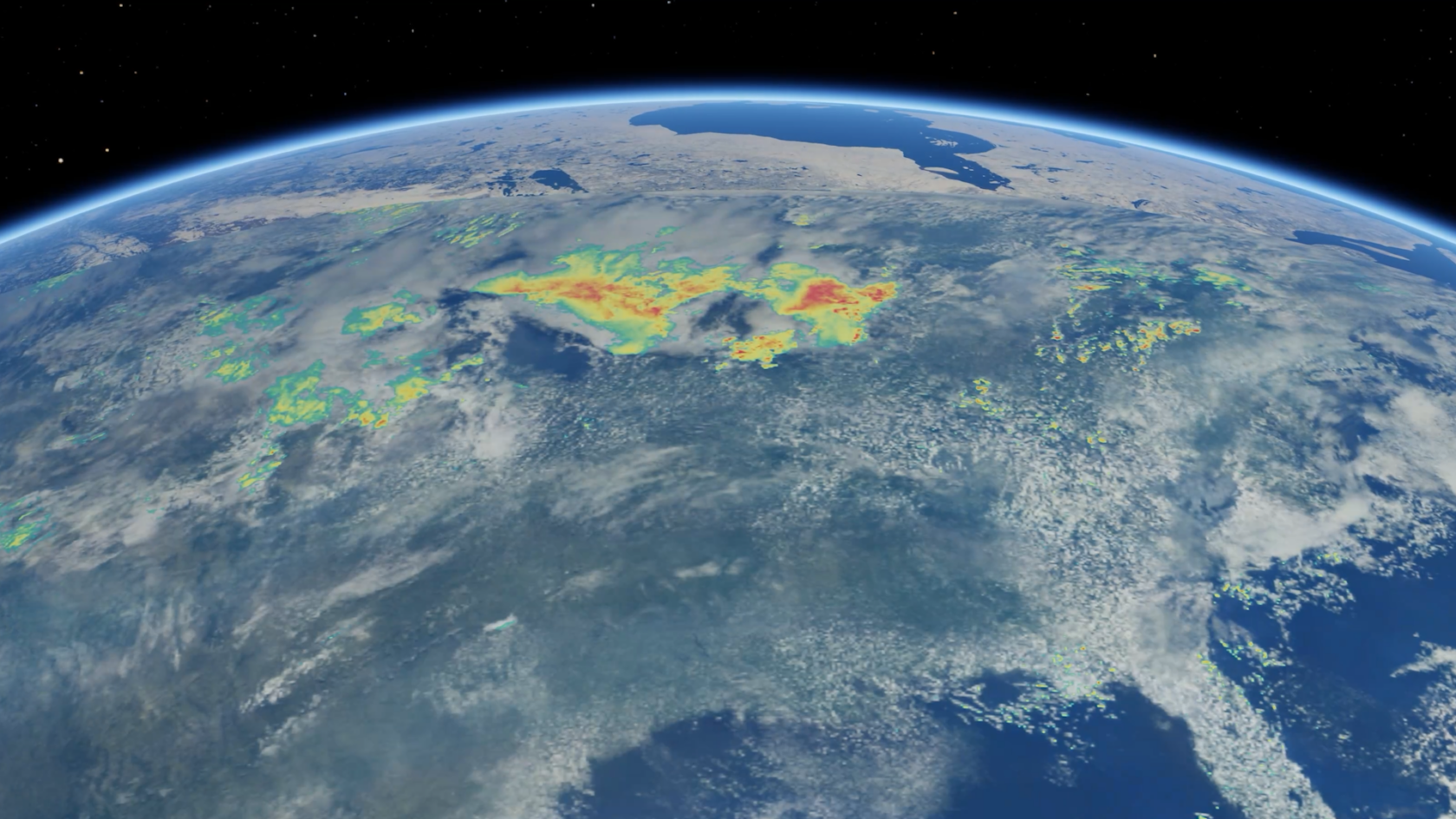
As climate challenges intensify worldwide, technology companies are increasingly turning to artificial intelligence to support environmental conservation efforts. NVIDIA, known primarily for its graphics processing units, has emerged as an unexpected ally in planetary protection through its Earth-2 initiative and related AI applications. From monitoring deforestation in real time to optimizing recycling plant operations, the company’s technology is being deployed across five key areas that demonstrate how computational power can serve ecological goals.
The core of NVIDIA’s environmental strategy centers on Earth-2, a digital twin of the planet designed to simulate and predict climate patterns with unprecedented accuracy. This platform allows scientists to model complex interactions between atmospheric conditions, ocean currents, and land utilize changes over extended timeframes. By creating high-resolution simulations that would be impossible to run on traditional computing systems, researchers can test intervention strategies virtually before implementing them in the real world, potentially saving both time and resources in conservation efforts.
One of the most immediate applications of NVIDIA’s AI technology appears in rainforest protection, where satellite imagery analysis powered by machine learning algorithms helps detect illegal logging activities. These systems process vast amounts of visual data from orbiting sensors, identifying subtle changes in forest canopy that may indicate unauthorized tree removal. Conservation organizations receive alerts within hours rather than weeks, enabling faster response times to protect vulnerable ecosystems. The technology has been particularly effective in the Amazon basin, where deforestation rates have historically been difficult to monitor due to the region’s immense size and persistent cloud cover.
In marine conservation, NVIDIA’s AI is being used to track endangered species and monitor ocean health. Underwater acoustic sensors combined with machine learning models can identify specific whale calls or detect the presence of illegal fishing vessels in protected areas. This technology has been deployed in several Pacific Island nations where traditional patrol methods are limited by vast ocean territories and constrained resources. The system processes audio data in real time, distinguishing between natural ocean sounds and human-made disturbances that might threaten marine life.
The third significant application involves precision agriculture, where AI-driven analytics help farmers optimize water usage and reduce chemical runoff. By analyzing soil moisture levels, weather patterns, and crop health data, these systems provide recommendations that can decrease irrigation needs by up to 30% while maintaining yield levels. This approach not only conserves freshwater resources but as well minimizes the environmental impact of agricultural operations, particularly in regions prone to drought or where fertilizer runoff contributes to water pollution.
Recycling plants represent another area where NVIDIA’s technology is making a measurable difference. Computer vision systems powered by AI can sort materials on conveyor belts with greater accuracy than human workers or traditional mechanical systems. These systems identify different types of plastics, metals, and paper products in real time, directing each item to the appropriate processing stream. Facilities using this technology have reported increases in recycling efficiency and reductions in contamination rates, which helps ensure that more reclaimed materials actually get reused rather than ending up in landfills.
The fifth application focuses on urban planning and smart city development, where AI models simulate traffic flow, energy consumption, and heat island effects to help municipalities design more sustainable infrastructure. By modeling different scenarios—such as the impact of adding bike lanes, changing building codes, or expanding green spaces—city planners can make data-driven decisions that balance growth with environmental considerations. Several major cities have begun pilot programs using these tools to meet carbon reduction targets while improving quality of life for residents.
While these applications show promise, experts note that technology alone cannot solve environmental challenges. The effectiveness of AI-driven conservation efforts depends on how well they integrate with policy frameworks, community engagement, and on-the-ground implementation. NVIDIA emphasizes that its role is to provide computational tools that support scientists, conservationists, and policymakers rather than to dictate specific environmental strategies.
Looking ahead, the company continues to expand its Earth-2 capabilities with improved resolution and faster processing times. Recent updates to the platform have incorporated more detailed ocean modeling and enhanced atmospheric chemistry simulations, allowing for better prediction of extreme weather events and long-term climate trends. These improvements could prove particularly valuable for vulnerable coastal communities preparing for sea level rise and increased storm intensity.
For readers interested in following these developments, NVIDIA provides regular updates through its official blog and technical documentation portals. The company also collaborates with research institutions and environmental organizations that publish findings based on their use of these technologies. As AI continues to evolve, its application in environmental protection represents one of the more hopeful intersections of technological advancement and planetary stewardship.
Related reading