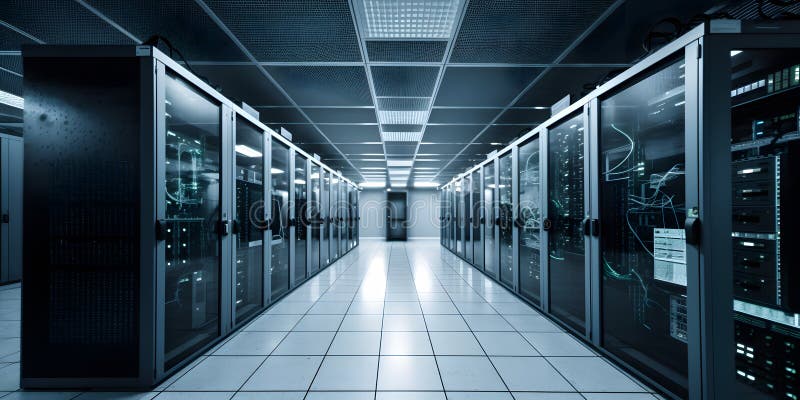
As artificial intelligence continues to advance at an unprecedented pace, the infrastructure supporting it is undergoing a fundamental transformation. Data centers, once designed primarily for general-purpose computing, are now being pushed to their limits by the immense computational demands of generative and agentic AI systems. This shift is forcing operators to rethink everything from power delivery and cooling efficiency to physical layout and sustainability practices.
The growing intensity of AI workloads has exposed critical shortcomings in traditional data center design. Training large language models and running complex inference tasks require sustained high-density computing, which generates significant heat and consumes vast amounts of electricity. Industry leaders are exploring innovative solutions to manage these demands even as maintaining reliability and reducing environmental impact.
At recent industry forums such as Data Center World, experts have emphasized that the AI-driven surge is not merely a temporary spike but a long-term restructuring of computational needs. Discussions have centered on adapting power grids, enhancing cooling technologies, and re-evaluating site selection criteria to accommodate the unique requirements of AI workloads. These conversations reflect a broader recognition that today’s data centers must evolve to support the next generation of intelligent systems.
One of the most pressing challenges lies in power consumption. AI servers, particularly those equipped with specialized accelerators like GPUs and TPUs, draw significantly more power than conventional hardware. According to verified industry analyses, a single AI-optimized server rack can consume upwards of 30 kilowatts or more—several times the density of traditional setups. This concentration of power creates thermal hotspots that demand advanced cooling strategies to prevent overheating and ensure consistent performance.
To address these thermal challenges, data center operators are moving beyond conventional air cooling. Liquid cooling systems, which transfer heat more efficiently than air, are gaining traction in high-density environments. Direct-to-chip liquid cooling and immersion cooling techniques are being tested and deployed in facilities handling AI workloads, offering improved heat dissipation and potential energy savings. These methods allow for tighter packing of computing resources without exceeding thermal thresholds.
In addition to hardware-level innovations, facility design is being reimagined to support AI-specific needs. Novel data center constructions are incorporating higher power densities from the outset, with upgraded electrical infrastructure, reinforced flooring to support heavier equipment, and enhanced fire suppression systems compatible with liquid coolants. Site selection is also being influenced by access to renewable energy sources and proximity to high-capacity power grids, as operators seek to balance performance with sustainability.
Sustainability has emerged as a central concern in the AI infrastructure debate. The environmental footprint of large-scale AI training runs—measured in carbon emissions and water usage—has drawn increasing scrutiny. In response, some companies are investing in carbon-free energy procurement, optimizing workload scheduling to align with renewable availability, and exploring waste heat recovery systems that repurpose excess thermal energy for district heating or other industrial uses.
Water consumption, particularly for evaporative cooling in warmer climates, has also come under review. As reported in verified industry analyses, certain geographic regions face growing pressure to limit water use in data center operations due to drought conditions and municipal restrictions. This has accelerated interest in alternative cooling approaches, including adiabatic systems and air-side economization, which reduce reliance on chilled water while maintaining effective temperature control.
The financial implications of this infrastructure shift are substantial. Building or retrofitting data centers for AI readiness requires significant capital investment in specialized racks, power distribution units, cooling plants, and monitoring systems. However, industry analysts note that these costs are often offset by long-term operational efficiencies and the ability to support higher-value AI-driven services. Cloud providers and enterprise IT departments alike are factoring these considerations into their multi-year infrastructure planning.
Collaboration across sectors is proving essential to navigating this transition. Chip manufacturers are working closely with server makers and data center designers to optimize thermal profiles and power efficiency at the component level. Meanwhile, utility companies are being engaged to assess grid capacity and support the integration of renewable energy sources. Regulatory bodies in some jurisdictions are beginning to review data center energy use as part of broader climate and resource management initiatives.
Looking ahead, the evolution of AI infrastructure will likely continue in tandem with advances in algorithmic efficiency and hardware innovation. As new models emerge that require less computational power for equivalent performance, or as cooling technologies mature, data centers may achieve greater sustainability without sacrificing capability. For now, the focus remains on building resilient, efficient, and responsible facilities capable of meeting the demands of an AI-driven future.
For ongoing updates on data center innovations, power management strategies, and cooling technologies supporting AI workloads, readers can follow official announcements from leading infrastructure providers and industry consortia such as The Green Grid and the U.S. Department of Energy’s Better Buildings Initiative.
We invite our readers to share their perspectives on how AI is reshaping the foundations of digital infrastructure. Join the conversation by commenting below or sharing this article with colleagues interested in the future of technology and sustainability.
Related reading