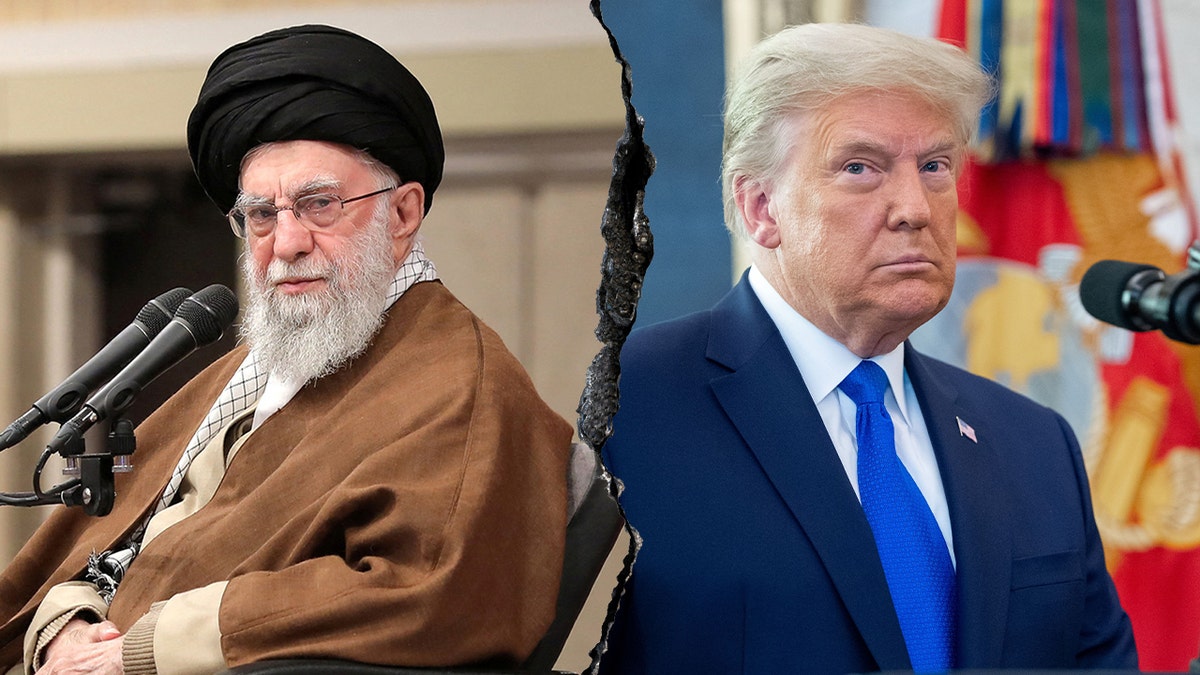
Donald Trump has stated he will not use nuclear weapons against Iran amid ongoing tensions in the Middle East, according to verified reports from French and international news outlets. The U.S. President emphasized having “all the time in the world” for negotiations with Tehran, while confirming a three-week extension of the ceasefire in Lebanon that was set to expire on Sunday. These developments come as the United States maintains a naval blockade in the Strait of Hormuz, with the military ordering 31 vessels to turn back as part of its pressure campaign against Iran.
The situation remains fluid after nearly two months of conflict marked by stalled talks between Washington and Tehran and the continued disruption of maritime traffic through the Strait of Hormuz, a critical chokepoint for global oil shipments. Kpler maritime data cited by Le Monde showed a significant decline in traffic following Iran’s decision to restrict passage after the U.S. Blockade was maintained. Despite the pressure, Trump has ruled out nuclear options, framing his approach as one of strategic patience rather than immediate escalation.
In Lebanon, a national homage was held in Montauban, France, for Adjudant Florian Montorio, a French soldier killed while serving with the United Nations Interim Force in Lebanon (UNIFIL). His death came shortly after that of another French serviceman, Anicet Girardin, who succumbed to injuries sustained in the same April 18 attack that killed two UN peacekeepers. French Foreign Minister Jean-Noël Barrot labeled the incident a “war crime,” underscoring the growing international concern over the spillover effects of the Iran-U.S. Standoff onto neighboring countries.
The U.S. Central Command confirmed the redirection of 31 naval vessels in the Arabian Sea as part of ongoing efforts to enforce sanctions and limit Iranian maritime activity. While specific ship names or classes were not disclosed in public statements, the maneuver reflects the broader strategy of using naval presence to exert pressure without direct combat engagement. Analysts note such moves aim to signal resolve while preserving diplomatic channels, particularly as Trump reiterated that talks with Iran could resume “in the coming days” without setting a firm deadline for Tehran’s response.
Diplomatic intermediaries remain active, with Pakistan reportedly prepared to host negotiations between U.S. And Iranian officials, though logistical and political challenges persist. Islamabad has expressed willingness to facilitate dialogue but operates amid regional complexity, including balancing relations with both Washington and Tehran. No formal date has been set for such talks and both sides continue to publicly condition engagement on unspecified prerequisites, contributing to an atmosphere of cautious waiting.
Domestically in the United States, Trump’s stance has drawn both support and criticism, with some allies urging firmer action while others warn against miscalculation in a volatile region. The administration has not disclosed detailed parameters for a potential agreement, leaving analysts to interpret signals from public remarks and indirect diplomatic outreach. Meanwhile, Iranian leadership has consistently framed its position as one of resistance to what it describes as unlawful coercion, insisting that any negotiations must respect national sovereignty and precede the lifting of sanctions.
The humanitarian dimension continues to unfold, particularly in Lebanon, where the presence of UNIFIL peacekeepers remains vital amid cross-border exchanges between Israeli forces and Hezbollah. The deaths of Montorio and Girardin have renewed calls in France for greater transparency about the rules of engagement and risks faced by troops deployed in the region. As of late April 2026, no changes to the UNIFIL mandate have been announced, and the mission continues its monitoring and reporting functions along the Blue Line.
Looking ahead, the next key development to watch is any official update from the U.S. State Department or the White House regarding the status of backchannel communications with Iran. No formal meetings have been confirmed as of this reporting, and analysts suggest that progress, if any, will likely remain behind closed doors until a substantive framework emerges. For now, the emphasis appears to be on managing escalation while testing the durability of diplomatic patience.
Readers seeking official updates can follow statements from the U.S. Department of State, the Pentagon’s public affairs office, and the French Ministry of the Armed Forces for verified information on troop movements, diplomatic initiatives, and regional security assessments. Sharing informed perspectives helps foster broader understanding of complex geopolitical dynamics.
Worth a look