
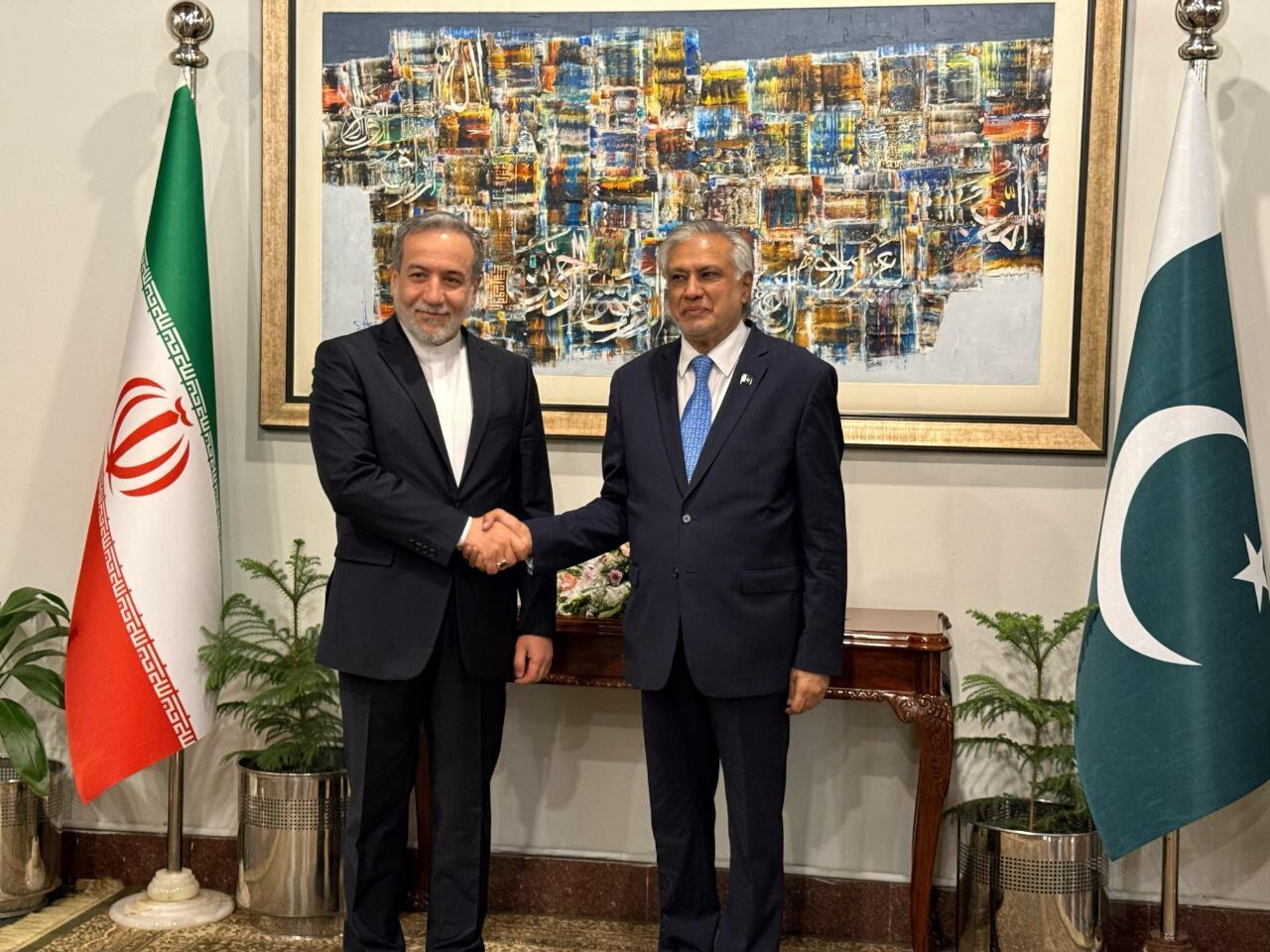
Iranian Foreign Minister Abbas Araghchi is set to arrive in Pakistan on Friday for talks with mediators, according to multiple verified reports. The visit comes amid ongoing diplomatic efforts to revive stalled negotiations between the United States and Iran over regional tensions and nuclear concerns. Pakistani officials have indicated they anticipate the meeting could pave the way for a second round of direct talks between Washington and Tehran.
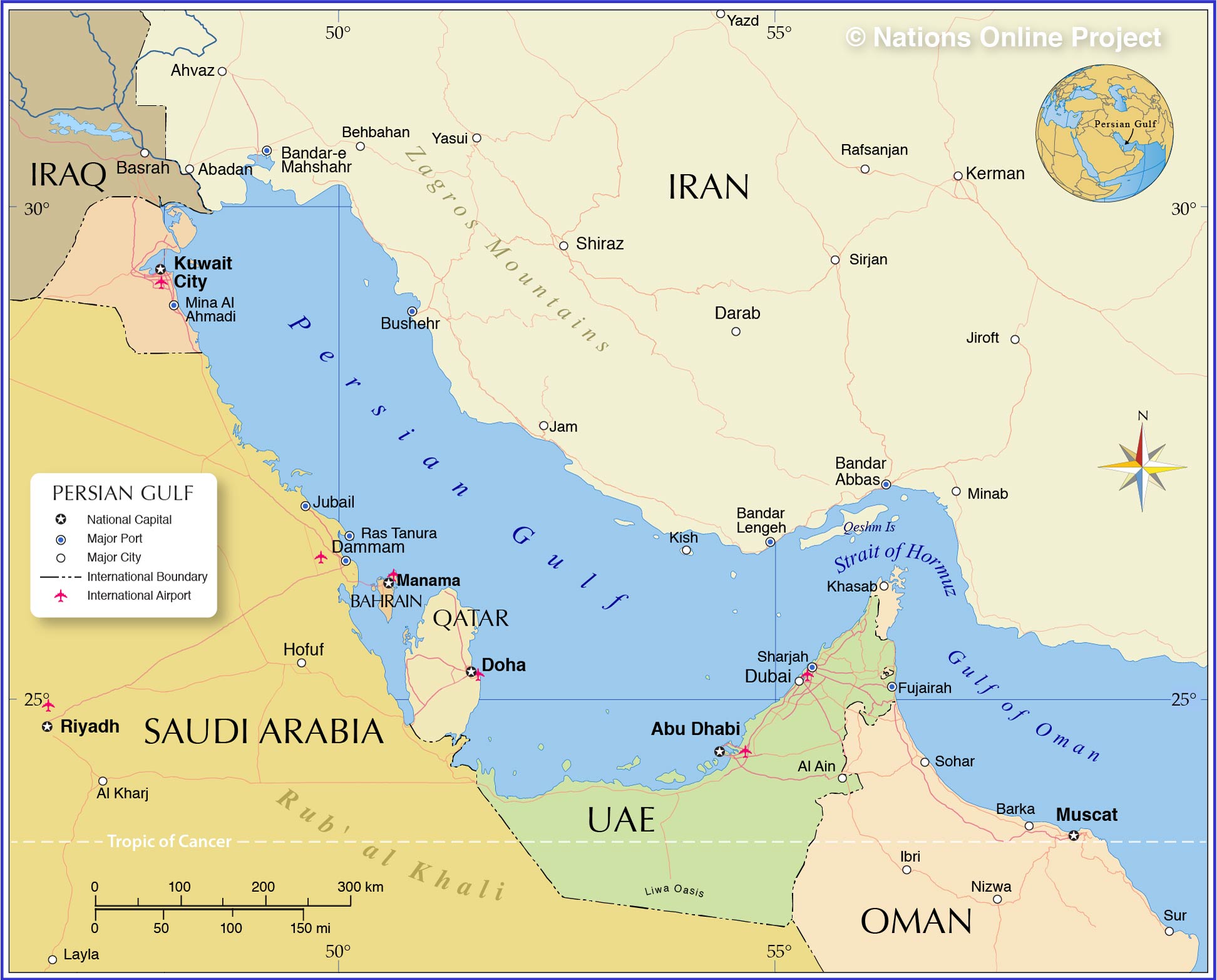
The Iranian delegation is not expected to engage with U.S. Representatives during the Pakistan visit, based on statements from both a U.S. Source and Iranian state media. Instead, Araghchi will hold discussions with Pakistani facilitators who have previously served as backchannel intermediaries in Iran-U.S. Communications. This development follows weeks of indirect diplomacy aimed at de-escalating conflicts involving Iran-backed groups in Lebanon and Yemen, as well as disputes over maritime security in the Strait of Hormuz.
President Donald Trump has repeatedly declined to set a timeline for resolving the broader Iran-related standoff, telling reporters earlier this week, “Don’t rush me.” His administration maintains that European allies bear primary responsibility for addressing security challenges in the Gulf region, a position underscored by Secretary of Defense Pete Hegseth during a recent Pentagon briefing where he characterized the Strait of Hormuz situation as “much more their fight than ours.”
Meanwhile, a fragile ceasefire between Israel and Iran-backed Hezbollah in Lebanon has been extended by three weeks, according to regional monitoring groups. The truce remains a critical factor in U.S.-Iran talks, as progress on reducing hostilities in Lebanon is seen as a prerequisite for broader diplomatic engagement. Neither the United States nor Iran has publicly commented on the specifics of the upcoming Pakistan meeting or potential next steps in the negotiation process.
Diplomatic Context and Regional Stakes
The Iran-U.S. Relationship has remained tense since the collapse of the 2015 nuclear agreement, formally known as the Joint Comprehensive Plan of Action (JCPOA). Subsequent years have seen alternating periods of indirect negotiation and heightened confrontation, particularly following the 2020 assassination of Iranian General Qasem Soleimani and Iran’s subsequent retaliatory missile strikes on U.S. Bases in Iraq. Efforts to revive the JCPOA have stalled over disagreements regarding sanctions relief, nuclear enrichment limits, and regional ballistic missile programs.
Pakistan has historically played a discreet but significant role in facilitating communication between Tehran and Washington, particularly during periods when direct talks were politically untenable. Its geographic proximity to both countries, combined with its longstanding diplomatic ties to Iran and its status as a major non-NATO ally of the United States, positions Islamabad as a pragmatic venue for sensitive discussions. Previous backchannel exchanges have reportedly addressed prisoner swaps, maritime incidents in the Gulf, and confidence-building measures related to nuclear activities.
Analysts note that any revival of formal dialogue would necessitate to account for evolving regional dynamics, including the normalization of relations between Israel and several Arab states under the Abraham Accords, Iran’s deepening strategic partnership with Russia and China, and ongoing humanitarian concerns in Yemen where Iran-backed Houthi forces continue to engage with a Saudi-led coalition. The outcome of Friday’s talks in Islamabad may influence whether both sides agree to resume structured negotiations in a neutral third country, potentially Oman or Qatar, which have hosted prior rounds of discussion.
What In other words for Global Markets and Security
Diplomatic progress between the U.S. And Iran has direct implications for global energy markets, given Iran’s status as a major oil producer and its influence over shipping lanes in the Persian Gulf. Any reduction in tensions could ease upward pressure on crude prices, which have remained volatile due to concerns over potential disruptions to tanker traffic through the Strait of Hormuz—a chokepoint through which approximately 20% of global oil consumption passes.
decreased hostilities could reduce the risk of secondary sanctions affecting European and Asian companies engaged in limited trade with Iran, particularly in sectors like agriculture, pharmaceuticals, and humanitarian goods. Even as comprehensive sanctions relief remains unlikely without substantive nuclear concessions, even incremental diplomatic improvements may create space for targeted exemptions that benefit civilian populations.
From a security perspective, sustained dialogue lowers the probability of miscalculation or unintended escalation between Iranian naval forces and U.S. Warships operating in the Gulf. Recent months have seen multiple close encounters involving Iranian speedboats approaching American vessels, prompting defensive maneuvers and raising alarms among maritime insurers. A de-escalation framework, even if informal, could help establish clearer communication protocols to prevent such incidents from spiraling into broader conflict.
For multinational corporations with supply chain exposure to the Middle East, monitoring diplomatic channels between Washington and Tehran offers valuable insight into potential shifts in operational risk. Companies in logistics, energy, and commodities trading often adjust hedging strategies and routing decisions based on perceived stability in the region, making high-level engagements like the one underway in Pakistan a relevant data point for strategic planning.
Next Steps and Official Channels for Updates
The next confirmed checkpoint in this diplomatic process will be any public statement from either the Pakistani Foreign Office or Iran’s Ministry of Foreign Affairs following the conclusion of Friday’s talks. Historical patterns suggest that if progress is made, announcements may reach via official press releases or televised briefings within 24 hours of the meeting’s end. Neither country has scheduled a joint press conference, and the United States has not indicated plans to issue an immediate response.
Readers seeking real-time updates can refer to the official websites of Iran’s Ministry of Foreign Affairs (mfa.gov.ir) and Pakistan’s Foreign Office (mofa.gov.pk), both of which publish statements in English and their respective languages. The U.S. Department of State’s press office (state.gov) provides regular briefings on Iran-related developments, though it typically does not comment on backchannel discussions until they yield tangible outcomes.
International organizations such as the International Atomic Energy Agency (IAEA) and the United Nations Security Council also issue periodic reports relevant to Iran’s nuclear activities and regional conduct. These documents, available through iaea.org and un.org/securitycouncil, offer authoritative context for assessing whether diplomatic engagement translates into measurable changes on the ground.
As this story continues to develop, World Today Journal will monitor verified sources for any shifts in tone, substance, or scheduling related to U.S.-Iran communications. Readers are encouraged to share insights or observations in the comments section below and to follow our coverage for ongoing analysis of how diplomatic moves in Islamabad may influence broader trends in global security, energy markets, and international relations.
Keep reading