
Chaos at Zurich Airport: Passport Control Failure Leads to Hours-Long Delays
Passengers at Zurich Airport faced significant disruption on Friday evening when a system failure at automated passport control gates caused extensive queues and frustration. According to reports from the cantonal police, the technical malfunction affected the e-gates used for border checks, leaving only a limited number of manual counters operational. The incident led to waiting times of up to two and a half hours for some travelers, with one passenger describing the scene as “total chaos” and rating the stress level a 12 out of 10.
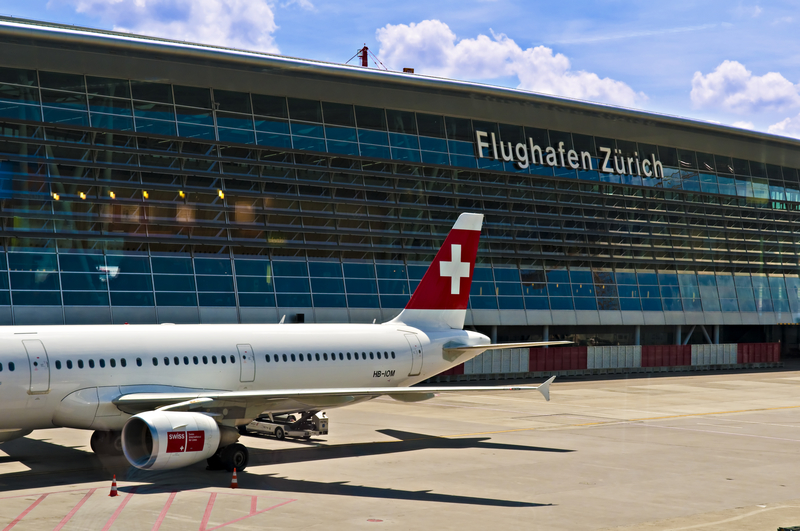
The disruption primarily impacted arrivals from international flights, including a London-bound traveler who reported waiting alongside his wife for over two hours after landing. He noted that initial estimates had suggested delays could reach four hours, though the situation improved after authorities restored partial functionality. The cantonal police spokesperson, Ralph Hirt, confirmed that the outage lasted just under two hours before being resolved, though residual queues persisted as passengers cleared the backlog.
Travelers expressed frustration over the lack of timely updates and the strain of navigating crowded terminals after long flights. Many were business commuters returning from weekly trips, while others were families with children eager to reach home. Despite the ordeal, the passenger interviewed acknowledged that Zurich Airport typically operates efficiently, citing recent upgrades such as new security scanners that have streamlined the departure process under normal circumstances.
Technical Failure at Automated Gates Triggers Border Control Bottleneck
The root cause of the disruption was identified as a failure in the automated passport control system, which relies on biometric verification and document scanning to process EU and Schengen-area travelers. When these gates malfunction, authorities must revert to manual processing, significantly reducing throughput. In this case, only two to three manual counters remained active, creating a severe bottleneck in the arrivals hall.
Such systems are designed to handle high volumes of passengers with minimal staffing, but their dependence on uninterrupted software and hardware functionality makes them vulnerable to cascading delays when failures occur. The incident echoes similar disruptions reported at other European hubs, where reliance on automated border controls has occasionally led to widespread disruption during technical outages.
Officials did not disclose the specific technical nature of the failure, whether it stemmed from software glitches, connectivity issues, or hardware malfunction. However, the swift resolution within two hours suggests the problem was isolated and did not require extensive infrastructure intervention. No flights were canceled or diverted as a result of the delay and all affected passengers eventually cleared border control.
Passenger Experience Marked by Frustration and Fatigue
Firsthand accounts highlighted the emotional toll of the delay, particularly for those arriving after long-haul flights. One traveler described the atmosphere as tense, with passengers exhibiting signs of irritability and exhaustion. Families with young children and business travelers alike reported feeling stranded without clear communication about expected wait times or available amenities.
While no official complaints have been filed in connection with the incident, passenger feedback shared with local media underscored a desire for better contingency planning and real-time updates during system failures. The airport has not issued a public statement detailing preventive measures to avoid recurrence, though it maintains that such outages are rare and that standard operations resume quickly once systems are restored.
Zurich Airport remains one of Europe’s busiest international hubs, handling over 30 million passengers annually. Its reputation for efficiency and punctuality makes disruptions like this particularly noticeable to frequent flyers, many of whom rely on predictable processing times for tight connections or same-day business engagements.
Recent Incidents Highlight Ongoing Challenges at Zurich Airport
This event is not an isolated occurrence at Zurich Airport in recent months. In July 2025, an Emirates Airbus A380 experienced a mechanical issue that forced it to remain grounded overnight, leaving approximately 350 passengers stranded in the terminal without access to hotels or adequate rest facilities. Travelers on that flight reported similar frustrations regarding poor communication and lack of support during the extended delay.
While the two incidents stemmed from different causes — one technical, the other mechanical — they collectively point to vulnerabilities in passenger experience management during irregular operations. Both events prompted criticism over insufficient information dissemination and limited provisions for affected travelers, raising questions about the airport’s readiness to handle unexpected disruptions at scale.
Authorities have not announced any formal investigation into the passport control outage, nor have they indicated plans to upgrade or redundantize the automated border control system. For now, officials emphasize that such failures are uncommon and that normal service was restored without lasting impact on flight operations.
Travelers seeking real-time updates on airport conditions are advised to consult the official Zurich Airport website or contact their airline directly for flight-specific information. As of the latest available data, no ongoing disruptions were reported at the time of writing.
We welcome your thoughts and experiences. Have you encountered similar delays at Zurich Airport or other international hubs? Share your story in the comments below to help others stay informed and prepared.