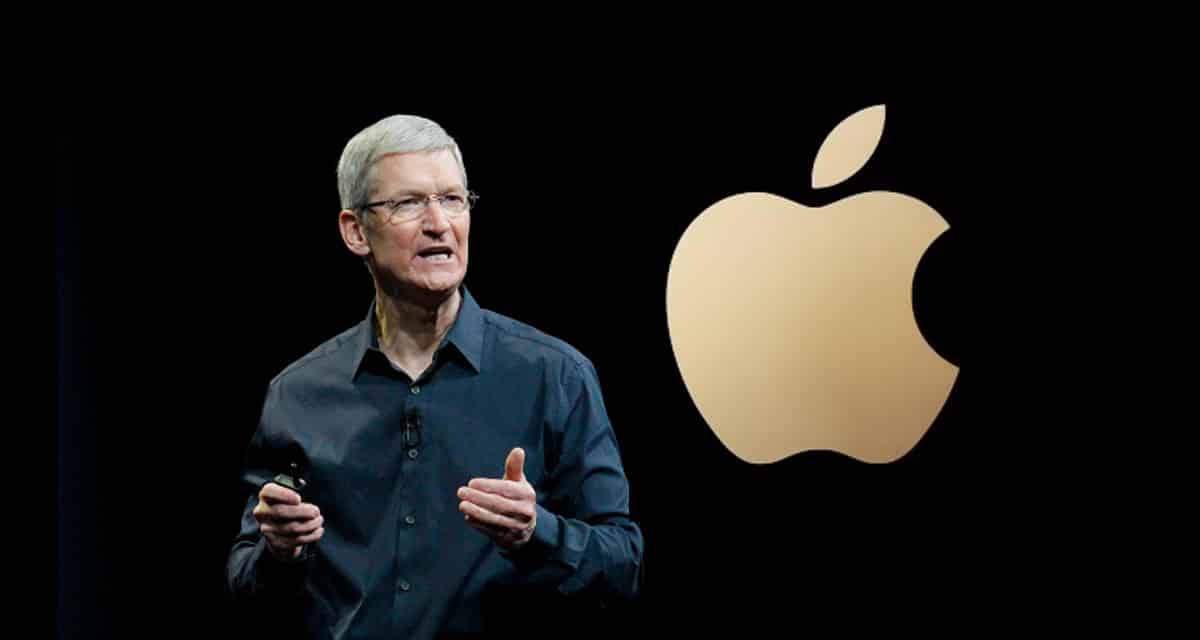
After 15 years at the helm of Apple, Tim Cook is stepping down as chief executive officer at the age of 65, marking the end of an era that saw the company transform from a struggling tech giant into one of the most valuable publicly traded corporations in history. His departure comes as Apple faces a pivotal moment, balancing continued innovation in hardware with growing pressure to deliver breakthroughs in artificial intelligence, and services.
Cook first joined Apple in 1998 as senior vice president for worldwide operations and was appointed chief operating officer in 2005. He assumed the role of CEO in August 2011, just months before the death of co-founder Steve Jobs, after having temporarily led the company during Jobs’ medical abandon in 2009. Under his leadership, Apple’s market value surged from approximately $348 billion to nearly $1.9 trillion by 2020, and revenue and profits doubled between 2011 and 2020.
Throughout his tenure, Cook emphasized operational excellence, supply chain mastery, and a more collaborative corporate culture compared to Jobs’ micromanagement style. He also became a prominent advocate for issues including environmental sustainability, user privacy, and LGBTQ+ rights, making history in 2014 as the first Fortune 500 CEO to publicly come out as gay.
In a message to employees and users, Cook expressed deep gratitude, stating that leading Apple had been “the greatest privilege of my life” and that he loves the company “with all of my being.” His exit opens the door for a new leadership era, with industry observers closely watching who will succeed him and how they will navigate Apple’s next chapter amid intensifying global competition and technological disruption.
Tim Cook’s Legacy: From Operations Expert to Global Tech Leader
Before becoming CEO, Cook built his reputation at Apple as a logistics and operations specialist, instrumental in tightening the company’s supply chain and reducing inventory costs. His background in industrial engineering from Auburn University and an MBA from Duke University equipped him to manage Apple’s complex global manufacturing network, which relies on partners across Asia and beyond.
Under his direction, Apple expanded its product lineup beyond the iPhone to include the Apple Watch, AirPods, and services such as Apple Music, iCloud, and Apple Pay. While critics noted fewer radical product innovations compared to the Jobs era, Cook oversaw the refinement and mass-market success of existing categories, contributing to Apple’s reputation for premium quality and ecosystem integration.

Financially, Apple’s performance under Cook was marked by extraordinary growth. By 2020, the company had achieved a market capitalization nearing $2 trillion, making it the first U.S. Company to reach that milestone. In 2021, it briefly surpassed $3 trillion, reflecting investor confidence in its recurring revenue streams and brand loyalty.
Cook also steered Apple through significant challenges, including global trade tensions, the COVID-19 pandemic, and increasing regulatory scrutiny in the United States and Europe over App Store policies and alleged anti-competitive practices. Despite these pressures, Apple maintained strong financial results, with services revenue becoming an increasingly vital pillar of its business model.
Leadership Transition and the Future of Apple
As Cook departs, attention turns to his successor and the strategic direction they will set for Apple. The company has not officially named a replacement, but internal candidates are believed to include executives from its hardware, software, and services divisions. Any transition will be closely monitored for signs of continuity or change in Apple’s approach to innovation, privacy, and global expansion.
Industry analysts note that the next CEO will inherit a company at a crossroads: while Apple remains immensely profitable, it faces growing expectations to deliver transformative products in areas like augmented reality, artificial intelligence, and health technology. The mixed reception to early releases such as the Vision Pro headset underscores the difficulty of launching entirely new product categories in a mature market.
Apple’s reliance on iPhone sales for a significant portion of its revenue continues to pose a strategic challenge. Although services have grown to account for over 20% of total revenue, the iPhone remains central to Apple’s financial success, making diversification a key priority for future leadership.
Cook’s departure also raises questions about how Apple will maintain its culture of secrecy and operational discipline while adapting to a more open and collaborative innovation model expected by younger employees and consumers. His emphasis on values-driven leadership—evident in Apple’s commitments to renewable energy, recycling, and supplier responsibility—may serve as a foundation for the next chapter.
Global Impact and Enduring Influence
Tim Cook’s 15-year tenure left an indelible mark not only on Apple but on the broader technology industry. His focus on supply chain resilience influenced how other multinational corporations manage global production, particularly during periods of disruption. His advocacy for user privacy helped shape public discourse around data protection, contributing to the momentum behind regulations such as the European Union’s General Data Protection Regulation (GDPR).
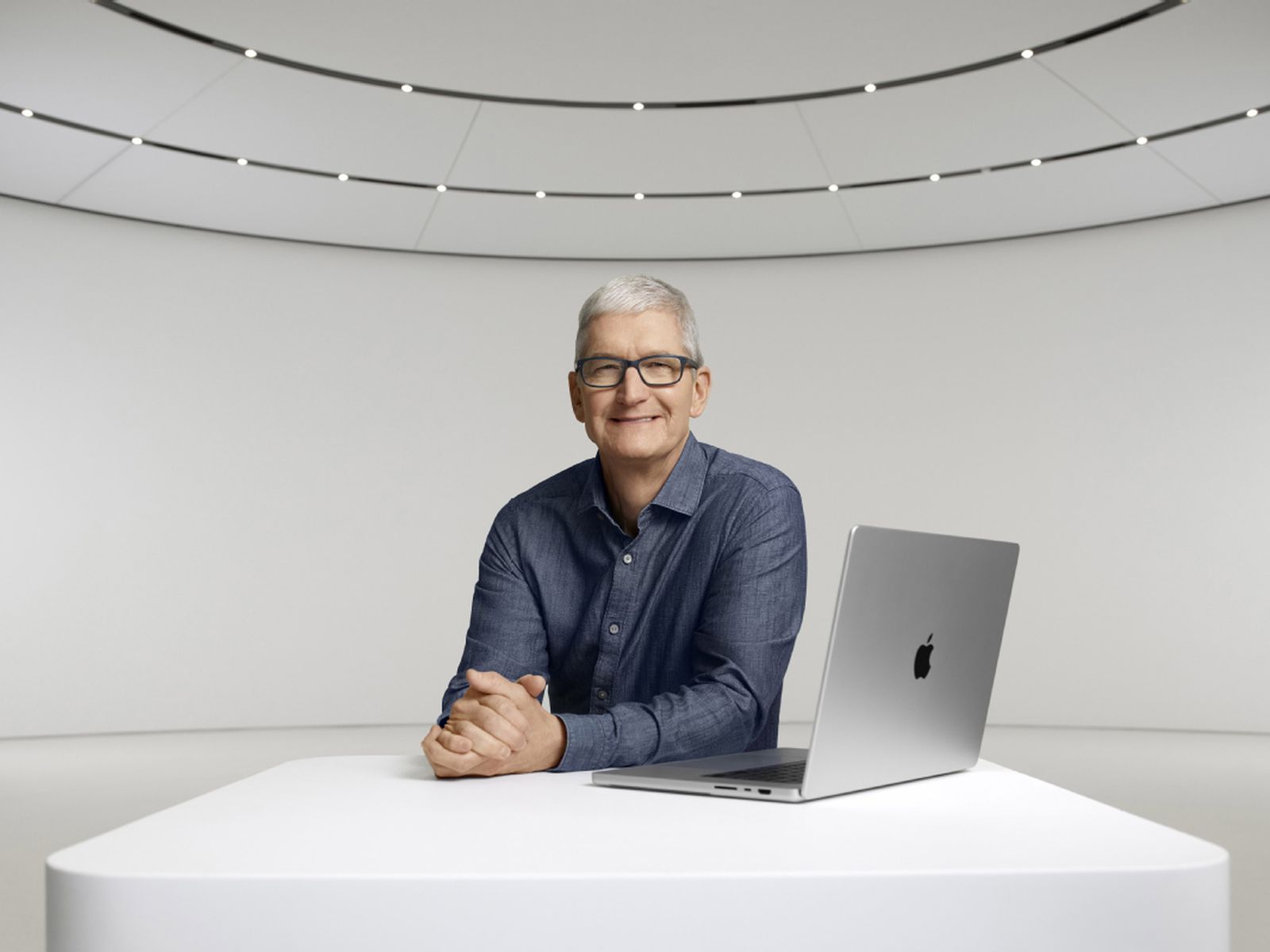
Internationally, Apple’s expansion under Cook brought its products to new markets, with significant growth in regions like India and Southeast Asia. The company’s efforts to localize manufacturing and expand retail presence reflected a strategy to mitigate geopolitical risks while tapping into emerging consumer bases.
Philanthropically, Cook has long signaled his intention to donate his personal wealth to charitable causes, a commitment he reiterated in 2015. While specific plans have not been disclosed, his stance aligns with a growing trend among tech leaders to pledge significant portions of their fortunes to address societal challenges.
As Apple moves forward without its longtime leader, the legacy of Tim Cook will be measured not only in financial metrics but in the company’s ability to balance innovation with integrity, scale with sustainability, and global reach with local impact. The next phase of Apple’s story begins now, shaped by the foundation he built and the uncertainties that lie ahead.
For ongoing coverage of leadership changes at major technology companies and their implications for global markets, readers are encouraged to follow trusted financial news sources and official corporate announcements.
Related reading
- Vanity Fair September 2026 Issue: Cover, Features, and Highlights
- Best Interest-Free Loans in Turkey: Which Banks Offer 0% Interest Credits?
- The Future of Health Insurance Coverage and Healthcare Standards (world-today-news.com)
- NASA Astronaut Mike Fincke Retires After 30 Years and 549 Days in Space (time.news)