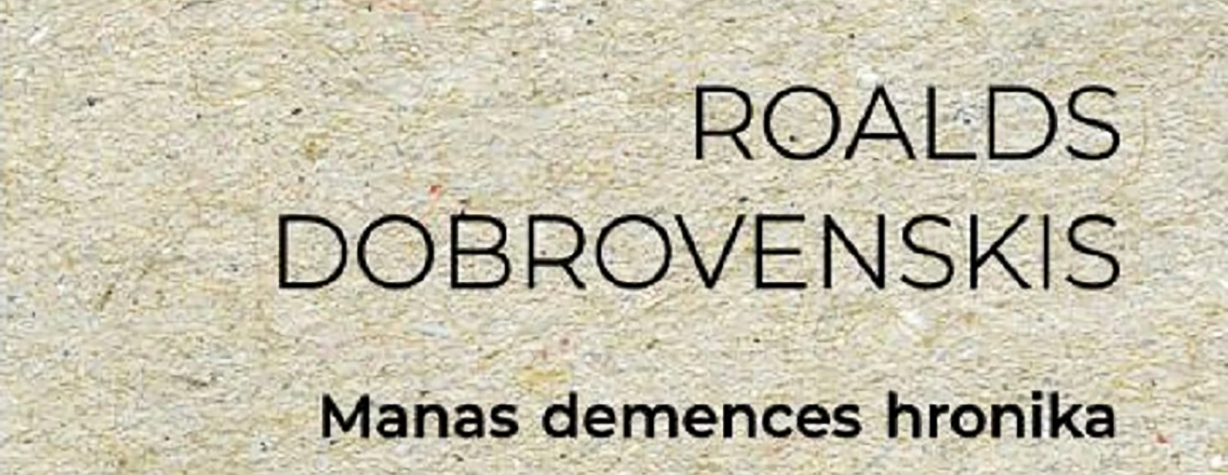
Roalda Dobrovenska’s “Manas demences hronika” has emerged as a significant literary function addressing dementia through personal narrative, drawing attention in Latvian cultural circles. The book, described by the author as notes rather than a guide to mental health, explores themes of memory, aging, and personal identity through the lens of lived experience. Dobrovenska, a Latvian writer and translator of Russian ethnicity, has dedicated years to studying the works of Rainis, which informs the cultural depth of her writing.
Published by Zvaigzne ABC and translated into English by Gundega Blumberga and Gundars Āboliņš, the chronicle reflects Dobrovenska’s unique background, including her education at Moscow State Choral School, Moscow Conservatory, and the Higher Literary Courses in Moscow. Since moving to Latvia in 1975, she has immersed herself in Latvian language and culture, speaking fluently and writing in her native Russian while sharing aspects of her life through social media.
The work gained public visibility through cultural discussions, including an appearance on Kultūras rondo, where conversations about Dobrovenska and her partner Velta Kaltiņa were featured. These discussions, supported by Latvijas Radio, highlighted the book’s role in fostering dialogue about aging and cognitive change in society. The author’s approach emphasizes personal reflection over clinical advice, offering readers an intimate perspective on living with dementia.
Dobrovenska’s engagement with Latvian intellectual traditions is evident in her long-term study of Rainis’s materials at the museum archive, which culminated in her novel “Rainis un viņa brāļi.” This scholarly foundation allows her to weave national literary heritage into contemporary personal narrative, creating a bridge between historical consciousness and modern health experiences.
The book’s reception has been marked by reader engagement, with early responses describing growing enthusiasm as readers progress through its pages. Social media activity around the work includes sharing photographs from Dobrovenska’s personal archive, particularly on her Facebook profile, where she connects literary themes with visual storytelling.
As discussions about aging populations and neurodegenerative conditions gain global relevance, works like “Manas demences hronika” contribute to reducing stigma through narrative empathy. The chronicle joins a growing body of literature that treats dementia not solely as a medical condition but as a human experience intertwined with identity, relationships, and cultural memory.
While the book does not prescribe solutions or medical guidance, its value lies in bearing witness to the subjective journey of cognitive change. Dobrovenska’s stated intention to write “bravely about dementia, about myself, about my beloved Velta Kaltiņa, about aging and about Stalin” reveals the layered nature of her reflection—personal, relational, historical, and societal.
The involvement of translators Gundega Blumberga and Gundars Ābliņš in bringing the work to English-speaking audiences expands its potential reach beyond Latvian and Russian readers. Their translation efforts aim to preserve the poetic and reflective tone of the original while making it accessible to international audiences interested in cross-cultural perspectives on aging and neurology.
In the context of Latvia’s cultural landscape, Dobrovenska’s work stands out for its authenticity and refusal to conform to expectations of inspirational or instructional literature on challenging health topics. Instead, it offers a candid, literary exploration that respects the complexity of lived experience without simplifying it for public consumption.
As of the latest verified information from cultural broadcasts in early 2026, “Manas demences hronika” continues to be discussed in literary and media circles as a meaningful contribution to conversations about aging in the Baltics. No further official announcements regarding new editions, translations, or related public events have been confirmed through authoritative sources.
Readers interested in following developments related to Roalda Dobrovenska’s work can monitor coverage from Latvijas Radio and Kultūras rondo for potential future discussions. The book remains available through Zvaigzne ABC and major literary distributors in the Baltic region.
We invite our global audience to share thoughts on how literature shapes understanding of health experiences. Have you encountered narratives that changed your perspective on aging or cognitive conditions? Join the conversation by commenting below and sharing this article with others interested in the intersection of literature, culture, and human experience.
Worth a look