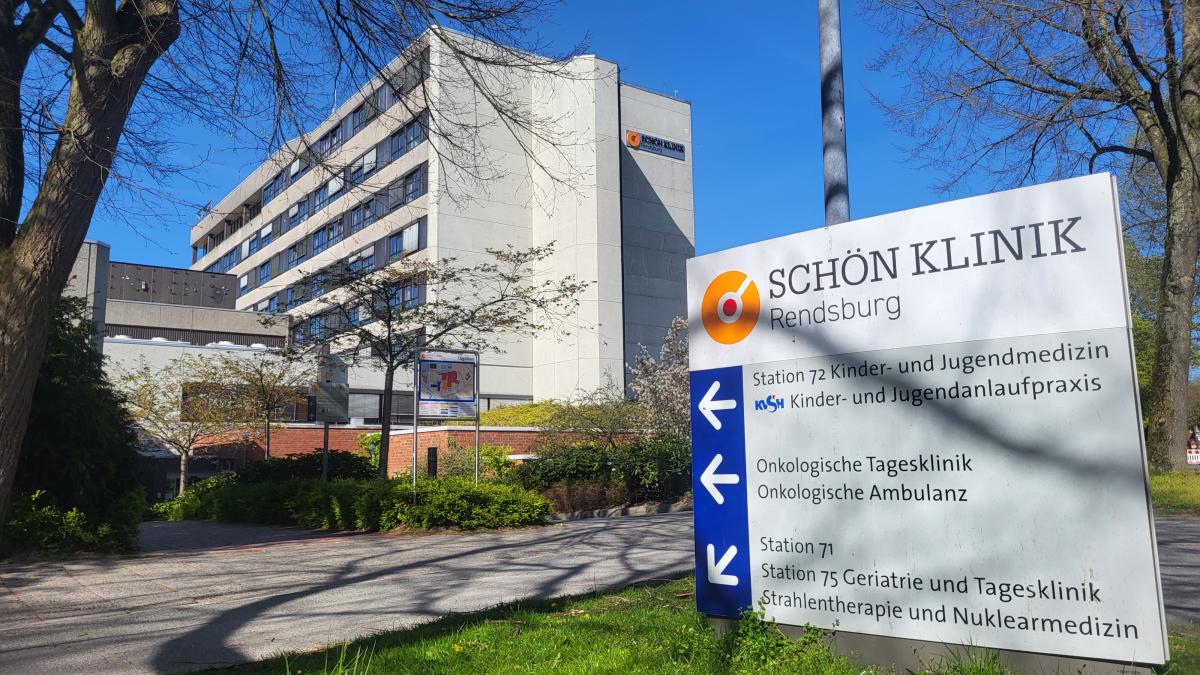
Patient Criticizes Schön Klinik Rendsburg Over Hygiene, Food and Wait Times
RENDSBURG, Germany — A former patient at Schön Klinik Rendsburg has publicly criticized the hospital’s hygiene standards, meal quality, and wait times, raising concerns about patient care beyond medical treatment. The allegations, published on Monday, come as German healthcare facilities face increasing scrutiny over non-clinical aspects of hospital stays, which can significantly impact recovery and patient satisfaction.
The patient, identified only as a resident of Westerrönfeld, described his experience as “frustrating” despite receiving “good medical care.” His complaints centered on three key areas: inadequate hygiene measures, substandard food, and prolonged wait times, including what he called a “gruselige Nacht” (“creepy night”). The Schön Klinik Rendsburg, part of the larger Schön Klinik group, has not disputed the specific allegations but acknowledged the need for improvements in patient experience.
Schön Klinik Rendsburg is a private hospital specializing in orthopedics, neurology, and internal medicine, serving patients across Schleswig-Holstein. The facility is part of the Schön Klinik network, which operates 26 hospitals and rehabilitation centers across Germany, the UK, and Switzerland. The group is known for its focus on specialized medical care, particularly in musculoskeletal and neurological disorders, but patient reviews have varied widely in recent years, with some praising the quality of medical staff while others criticizing operational aspects of their stays.
The Patient’s Complaints: A Closer Seem
The patient’s criticisms were detailed in an interview with SHZ (Schleswig-Holsteinischer Zeitungsverlag), a regional news outlet. While the article did not provide the patient’s full name or medical condition, it outlined several specific grievances:

- Hygiene concerns: The patient described conditions that fell short of expectations, though no specific violations of German healthcare regulations were cited. In Germany, hospitals are subject to strict hygiene standards set by the Robert Koch Institute (RKI), the federal agency responsible for disease control and prevention. The RKI’s guidelines cover everything from hand hygiene to surface disinfection, and compliance is regularly audited by state health authorities.
- Food quality: The patient criticized the hospital’s meals as unappetizing and poorly prepared. Hospital food in Germany is often a point of contention, with many facilities outsourcing meal preparation to external caterers. While nutritional standards are regulated, taste and presentation vary widely. A 2023 survey by the German Hospital Institute found that 42% of patients rated hospital food as “poor” or “very poor,” citing bland flavors and repetitive menus as common complaints.
- Wait times and overnight experiences: The patient reported long wait times for non-emergency procedures and described his overnight stay as unsettling. Prolonged wait times have been a persistent issue in German hospitals, particularly in non-urgent care settings. A 2024 report by the German Hospital Federation noted that average wait times for elective procedures had increased by 18% since 2020, driven by staffing shortages and high patient volumes.
The patient’s account contrasts sharply with other recent reviews of Schön Klinik Rendsburg. On Klinikbewertungen.de, a German hospital review platform, several patients praised the facility’s maternity ward, particularly the quality of care provided by midwives. One reviewer, who gave birth at the hospital on April 20, 2026, described the experience as “very positive,” highlighting the “compassionate and helpful” staff. However, the reviewer likewise noted technical difficulties during a routine newborn examination (U2 screening), suggesting that operational challenges may not be isolated to a single department.
Schön Klinik’s Response and Broader Context
In response to the patient’s criticisms, Schön Klinik Rendsburg issued a statement acknowledging the feedback and emphasizing its commitment to patient satisfaction. The hospital did not directly address the specific allegations but noted that it regularly reviews patient feedback to identify areas for improvement. A spokesperson for the Schön Klinik group told SHZ:
“We take all patient feedback seriously and continuously work to improve our services. While we are proud of the high medical standards at our facilities, we recognize that there are always opportunities to enhance the patient experience in areas such as hygiene, nutrition, and operational efficiency.”
The spokesperson added that the hospital would conduct an internal review of the issues raised but did not provide a timeline for any potential changes.

The criticisms at Schön Klinik Rendsburg reflect broader challenges in Germany’s healthcare system, where hospitals are under pressure to balance cost efficiency with high-quality patient care. The German Hospital Federation has warned that staffing shortages, particularly among nurses and support staff, are contributing to delays in non-medical services such as meal delivery and room cleaning. In 2025, the German government introduced a modern funding model for hospitals aimed at improving patient care, but critics argue that the reforms do not go far enough to address systemic issues.
Hygiene standards, in particular, have come under scrutiny in recent years following several high-profile outbreaks of hospital-acquired infections. According to the RKI, approximately 400,000 to 600,000 patients in Germany contract healthcare-associated infections annually, with around 10,000 to 15,000 resulting in death. While not all of these cases are linked to hygiene failures, the figures underscore the importance of rigorous infection control measures.
What In other words for Patients
For patients considering treatment at Schön Klinik Rendsburg or any other hospital, the recent criticisms highlight the importance of researching both medical and non-medical aspects of care. While clinical outcomes are paramount, factors such as hygiene, food quality, and wait times can significantly impact a patient’s overall experience and recovery.

Patients are encouraged to:
- Review multiple sources: In addition to official hospital websites, platforms like Klinikbewertungen.de and Weisse Liste (a German hospital comparison tool) provide patient reviews and performance metrics. These can offer a more balanced view of a facility’s strengths and weaknesses.
- Ask questions during admission: Patients should feel empowered to ask about hygiene protocols, meal options, and expected wait times for procedures. Hospitals in Germany are required to provide this information upon request.
- Provide feedback: Many hospitals, including Schön Klinik Rendsburg, have formal channels for patient feedback. Constructive criticism can help facilities identify and address issues that may not be apparent to staff.
For those seeking alternatives, Schleswig-Holstein offers several other hospitals, including the University Medical Center Schleswig-Holstein (UKSH) in Kiel and Lübeck, which are publicly funded and often receive higher marks for patient satisfaction in national surveys.
Looking Ahead: What’s Next for Schön Klinik Rendsburg?
Schön Klinik Rendsburg has not announced any immediate changes in response to the patient’s criticisms, but the hospital’s leadership is likely to face pressure to address the issues raised. The facility is subject to regular inspections by the Schleswig-Holstein State Health Office, which monitors compliance with hygiene and patient care standards. Any violations could result in fines or, in extreme cases, temporary closure of specific departments.
For now, patients and prospective patients will be watching closely to see how the hospital responds. The next scheduled inspection by state health authorities is expected in June 2026, though the exact date has not been publicly confirmed. In the meantime, Schön Klinik Rendsburg has an opportunity to demonstrate its commitment to patient-centered care by addressing the concerns raised and improving the overall hospital experience.
As the debate over hospital quality in Germany continues, the case of Schön Klinik Rendsburg serves as a reminder that medical expertise alone is not enough. Patients increasingly expect a holistic approach to care—one that prioritizes not only their physical health but also their comfort, dignity, and overall well-being.
What has been your experience with hospital care in Germany? Share your thoughts in the comments below or on social media using the hashtag #PatientExperienceDE. For more health news and expert analysis, subscribe to World Today Journal’s Health newsletter.
- Proof of Health™: How XRP Healthcare Is Redefining AI-Driven Healthcare Rewards
- Nadie te lo cuenta: la razón por la que un conductor evita sentarse cuando viaja en metro o …
- FEMA Issues Major Disaster Declaration: January 10, 2025 (news-usa.today)
- Building Wealth Through Trading: Laying Strong Financial Foundations (newsdirectory3.com)