Israel Expands Military Strikes in Lebanon Despite Fragile Ceasefire
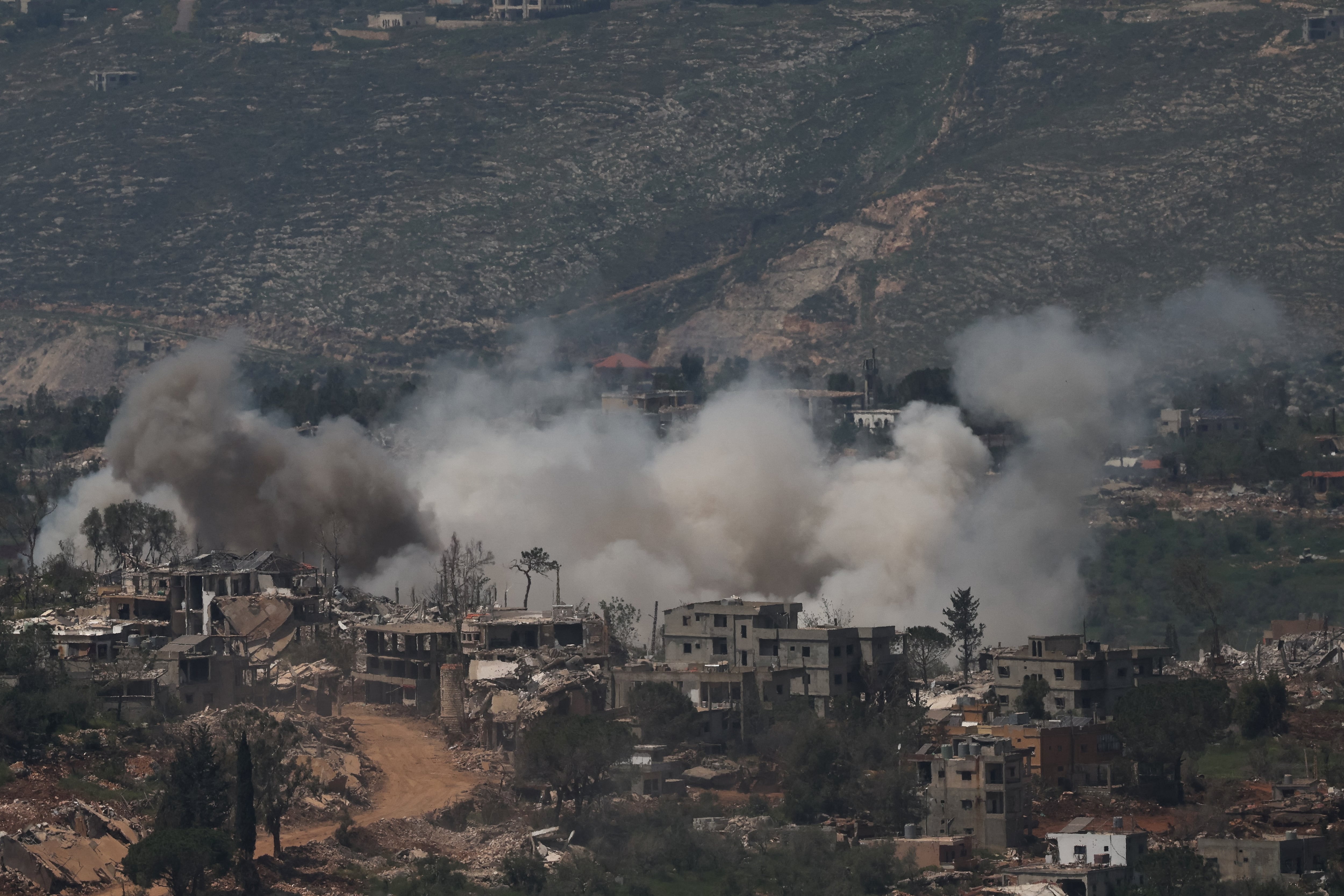
LONDON — The fragile ceasefire between Israel and Hezbollah in Lebanon is unraveling as Israeli forces escalate military operations, expanding the geographic scope of their strikes despite an ongoing truce brokered by the United States. On Monday, April 27, 2026, the Israel Defense Forces (IDF) conducted airstrikes in the Bekaa Valley, a strategic stronghold of the Iran-backed militant group Hezbollah, marking the first time the area has been targeted since the ceasefire began on April 16. The intensifying violence has raised concerns about the collapse of diplomatic efforts and the potential for a broader regional conflict.
Prime Minister Benjamin Netanyahu has framed the ceasefire as a strategic opportunity to combine military pressure with diplomatic outreach, stating in a video address that “one hand holds a weapon; the other is extended for peace.” Though, the recent expansion of Israeli strikes—including into eastern Lebanon—suggests a calculated effort to maintain leverage although the U.S. And regional mediators attempt to negotiate a longer-term solution. The White House has emphasized that Israel retains the right to self-defense under the ceasefire terms, a position that has done little to ease tensions on the ground.
The latest escalation follows a pattern of reciprocal violence that has persisted despite the truce. On Saturday, Netanyahu ordered “strong” airstrikes in response to Hezbollah rocket attacks targeting northern Israel, while Hezbollah’s deputy leader, Naim Qassem, vowed to continue fighting “to respond to the aggression.” The exchange underscores the precarious nature of the ceasefire, which was imposed by U.S. President Donald Trump after days of high-level diplomacy. Trump’s announcement of the truce on April 17—just hours after Lebanese President Joseph Aoun declined a proposed call with Netanyahu—left little room for Israel to reject the terms, despite Netanyahu’s initial resistance.
The Ceasefire’s Shaky Foundation
The 10-day ceasefire, which began at midnight on April 16, was intended to create space for indirect negotiations between Israel and Lebanon, facilitated by U.S. Mediators. However, Hezbollah has refused to participate in the talks, insisting that any resolution must address broader regional dynamics, including Iran’s role in supporting the group. The Lebanese government, meanwhile, has rejected the idea of delegating its negotiations to Tehran, further complicating efforts to reach a sustainable agreement.
Netanyahu’s public statements have reflected the delicate balancing act Israel is attempting to maintain. In a video released on April 24, he claimed that discussions with Trump had secured “freedom of action” for Israel in Lebanon, a remark that appeared to contradict Trump’s earlier assertion that Israel was “prohibited” from bombing Lebanon. The White House later clarified that the ceasefire did not restrict Israel’s ability to respond to threats, but the mixed messaging has fueled skepticism about the truce’s durability. According to The Times of Israel, Netanyahu sought to reassure his domestic audience by emphasizing that the campaign against Hezbollah was “far from over,” citing the destruction of 90% of the group’s rocket arsenal since the conflict’s escalation in October 2023.
Escalation Despite the Truce
The IDF’s strikes in the Bekaa Valley on Monday represent a significant escalation, as the area had largely been spared from direct attacks during the initial phase of the ceasefire. The Bekaa Valley, a fertile region bordering Syria, has long served as a logistical and operational hub for Hezbollah, housing weapons depots, training camps, and command centers. The IDF has not publicly commented on the specific targets of the strikes, but local reports suggest that multiple sites linked to Hezbollah’s military infrastructure were hit.
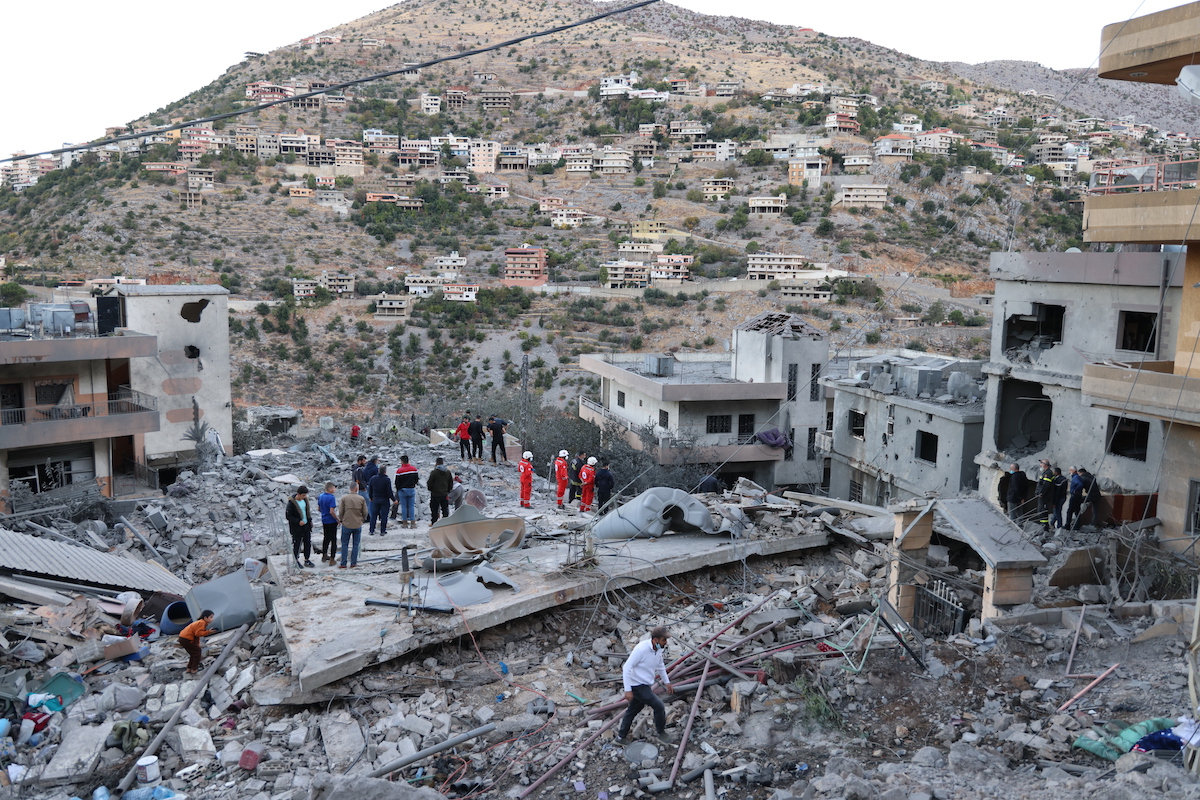
The uptick in violence has resulted in a rising civilian toll. Lebanese authorities reported that at least 20 people were killed in Israeli strikes between Sunday and Monday, though the figures could not be independently verified. The Lebanese Ministry of Health has not released an official death toll for the entire conflict, but earlier estimates from humanitarian organizations suggested that the seven-week escalation had left more than 2,200 dead and 7,500 injured. The United Nations has warned of a worsening humanitarian crisis, with over 150,000 people displaced in southern Lebanon alone.
Hezbollah has responded to the Israeli strikes with renewed rocket attacks on northern Israel, including the town of Shtula, where sirens sounded on Monday after a drone attributed to the group was intercepted. The IDF confirmed that one of its own unmanned aerial vehicles (UAVs) was shot down over southern Lebanon during the same period, highlighting the persistent risk of miscalculation and further escalation.
Diplomatic Efforts and Regional Stakes
The ceasefire’s survival hinges on the outcome of indirect negotiations taking place in Washington, where Lebanese and Israeli delegations have engaged in talks mediated by U.S. Officials. However, the absence of Hezbollah from the negotiating table has limited the scope of potential agreements. The group, which operates as both a political party and a militant organization in Lebanon, has insisted that any deal must include guarantees against future Israeli aggression and address the broader regional power struggle involving Iran.
Trump’s role in brokering the ceasefire has drawn both praise, and criticism. While some analysts view his intervention as a necessary step to prevent a full-scale war, others argue that his heavy-handed approach—including his public declaration that Israel was “prohibited” from bombing Lebanon—has undermined Netanyahu’s ability to shape the narrative. The dynamic reflects a broader pattern in U.S.-Israel relations under Trump, where the president’s unpredictable statements have at times forced Netanyahu to adapt his strategy on short notice. As CNN reported, Trump’s announcement of the ceasefire left Netanyahu with “little room to maneuver,” despite the Israeli leader’s earlier insistence that the war against Hezbollah was “not over yet.”
The conflict’s regional implications extend beyond Lebanon and Israel. Iran, Hezbollah’s primary patron, has faced increasing pressure from the U.S., which has imposed new economic sanctions and conducted limited military strikes in response to Tehran’s support for proxy groups across the Middle East. Netanyahu has framed the campaign against Hezbollah as part of a broader effort to counter Iranian influence, a narrative that resonates with his domestic political base but complicates diplomatic efforts to de-escalate the situation.
What Happens Next?
The ceasefire is currently set to expire on April 26, though U.S. Officials have indicated that efforts are underway to extend it by at least three weeks. The outcome of the Washington negotiations will be critical in determining whether the truce holds or collapses into renewed large-scale hostilities. Key sticking points include:
- Hezbollah’s disarmament: Israel has demanded that Hezbollah withdraw its forces from southern Lebanon and dismantle its military capabilities, a condition the group has rejected as non-negotiable.
- Security guarantees: Lebanon has sought assurances that Israel will cease its overflights and reconnaissance missions, which Beirut views as violations of its sovereignty.
- Humanitarian access: Aid organizations have called for a sustained pause in hostilities to allow for the delivery of medical supplies and the evacuation of civilians from high-risk areas.
For now, both sides appear to be testing the limits of the ceasefire, with each strike and counterstrike risking a return to full-scale war. The international community, including the United Nations and the European Union, has urged restraint, but the lack of a unified diplomatic strategy has left the truce’s fate uncertain.
Key Takeaways
- The ceasefire is fraying: Despite a U.S.-brokered truce, Israel has expanded its military strikes into the Bekaa Valley, a Hezbollah stronghold, while Hezbollah continues to launch rockets into northern Israel.
- Diplomacy remains fragile: Indirect negotiations in Washington are ongoing, but Hezbollah’s refusal to participate and Lebanon’s rejection of Iranian mediation have limited progress.
- Civilian toll is rising: At least 20 people were killed in the latest escalation, adding to a conflict that has already displaced over 150,000 people in southern Lebanon.
- Regional dynamics complicate peace: The conflict is part of a broader struggle between Israel and Iran, with Hezbollah serving as Tehran’s proxy in Lebanon.
- Trump’s role is contentious: The U.S. President’s intervention has been credited with preventing a wider war but criticized for limiting Israel’s strategic flexibility.
Looking Ahead
The next critical checkpoint will be the expiration of the current ceasefire on April 26. U.S. And regional mediators are pushing for a three-week extension, but the success of those efforts will depend on whether Israel and Hezbollah can be convinced to de-escalate. In the meantime, residents of southern Lebanon and northern Israel remain on high alert, bracing for the possibility of renewed violence.
For real-time updates on the situation, readers can follow official statements from the Israel Defense Forces, the Lebanese Prime Minister’s Office, and the White House. Humanitarian organizations such as the United Nations Relief and Works Agency (UNRWA) and the International Committee of the Red Cross (ICRC) are similarly providing regular updates on the humanitarian impact of the conflict.
What are your thoughts on the prospects for peace in Lebanon? Share your views in the comments below and join the conversation on social media.