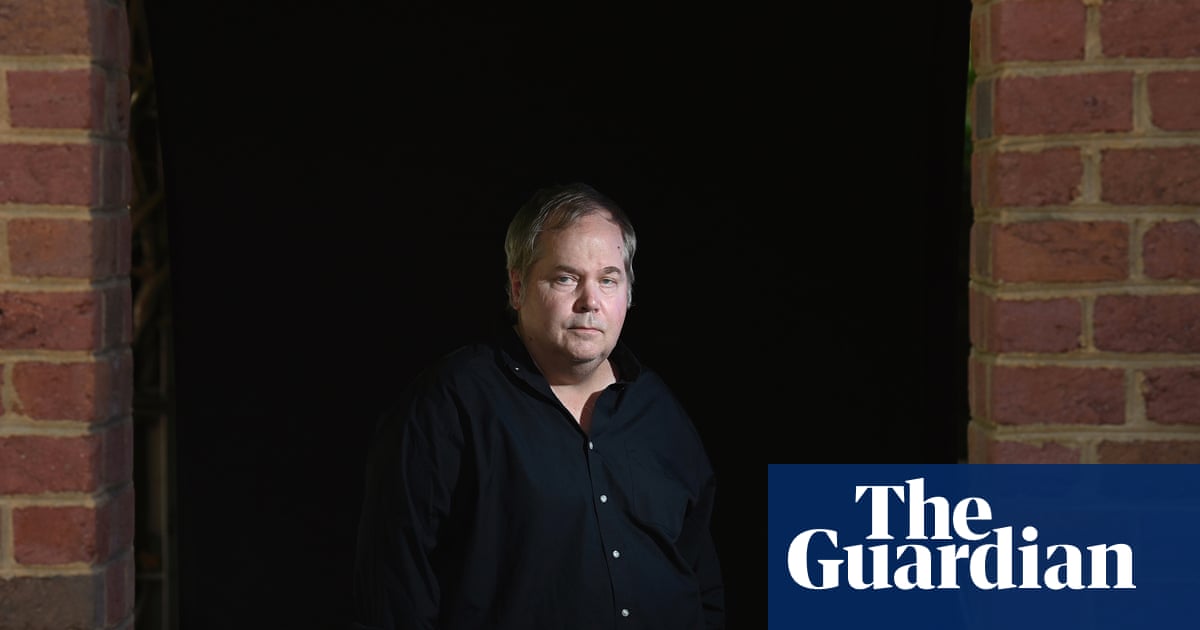
John Hinckley Jr. Calls Trump Shooting at Reagan’s Attack Site ‘Spooky’ as Security Concerns Resurface
Washington, D.C. — The man who attempted to assassinate President Ronald Reagan in 1981 has described the recent shooting at the White House Correspondents’ Association dinner as “spooky,” drawing eerie parallels between the two incidents that unfolded at the same hotel. John Hinckley Jr., now 70, spoke exclusively to TMZ on Monday, April 27, 2026, reflecting on the chaos that erupted during the high-profile event attended by President Donald Trump and senior administration officials. The shooting, which occurred at the Washington Hilton, left one Secret Service agent injured and reignited debates about security at major political gatherings.
Hinckley’s remarks come 44 years after his own attack outside the same hotel, where he shot Reagan and three others in a bid to impress actress Jodie Foster. His comments have added a haunting dimension to the latest security breach, raising questions about whether the Washington Hilton—a venue synonymous with both political history and vulnerability—remains a safe location for large-scale events. “Bad things keep happening” at the hotel, Hinckley told TMZ, urging organizers to reconsider hosting major gatherings there. “It’s just not a secure place to hold big events.”
The Washington Hilton, a landmark in the heart of the nation’s capital, has long been a hub for political and media events. However, its history of violence—from Hinckley’s 1981 attack to the recent shooting—has cast a shadow over its reputation. The hotel’s management, responding to the latest incident, emphasized that their “top priority” is the safety of guests and staff. In a statement to People, a spokesperson noted that the hotel had implemented “stringent security protocols” in coordination with the U.S. Secret Service and local law enforcement. Despite these measures, the shooting has left many questioning whether even the most rigorous security can fully protect high-profile events in an era of heightened political tensions.
A Haunting Echo of History
John Hinckley Jr.’s connection to the Washington Hilton is deeply personal. On March 30, 1981, he fired six shots at President Ronald Reagan as the president exited the hotel following a speech. Reagan survived the attack, but the shooting left him seriously wounded, along with three others: White House Press Secretary James Brady, who was permanently disabled; Secret Service agent Timothy McCarthy; and D.C. Police officer Thomas Delahanty. Hinckley was later found not guilty by reason of insanity and spent over three decades in psychiatric institutions before being fully released from court supervision in 2022.

In his interview with TMZ, Hinckley recounted how he was able to bypass security in 1981, describing the measures at the time as “lax.” He claimed that he was able to blend into a crowd of reporters without showing identification, a detail that has fueled concerns about how security protocols have evolved—or failed to evolve—over the decades. While the Secret Service has not commented on Hinckley’s specific claims, the agency has faced scrutiny in recent years over its ability to adapt to emerging threats, particularly in high-pressure environments like the White House Correspondents’ Dinner.
The 2026 shooting at the dinner, which was attended by President Trump, unfolded during a moment of heightened political polarization. According to NBC News, the gunman, identified as 34-year-old Daniel Carter of Virginia, rushed an interior checkpoint where Secret Service agents were screening guests. Carter fired at least one shot, striking an agent’s ballistic vest before being subdued. No other injuries were reported, but the incident forced the immediate evacuation of the event and left attendees shaken.
Security Under the Microscope
The Washington Hilton’s history of violence has made it a focal point in broader discussions about security at political events. The hotel, which has hosted everything from presidential speeches to international summits, has long been considered a symbol of both power and vulnerability. In the wake of the 2026 shooting, security experts have called for a reevaluation of protocols, particularly for events involving high-profile figures like the president.
“The Washington Hilton is a challenging venue for security,” said Dr. Laura Dugan, a professor of criminology at the University of Maryland, in an interview with The Washington Post. “Its layout, with multiple entry points and large crowds, makes it difficult to control access. While the Secret Service and local law enforcement do an incredible job, no system is foolproof.” Dugan’s comments echo concerns raised by Hinckley, who argued that the hotel’s design and history create it an inherently risky location for large gatherings.

The Secret Service has not released a detailed account of the security measures in place during the 2026 dinner, but officials have confirmed that the agency worked closely with the Washington Hilton’s security team and the D.C. Metropolitan Police Department to implement a multi-layered approach. This included metal detectors, bag checks, and armed agents stationed at key points throughout the venue. Despite these precautions, the gunman was able to approach an interior checkpoint before opening fire, raising questions about whether additional measures—such as more rigorous screening or restricted access—are needed.
Public Reaction and Political Fallout
The shooting at the White House Correspondents’ Association dinner has sparked a mix of outrage, fear, and political finger-pointing. President Trump, who was present at the event, was quickly escorted to safety by the Secret Service. In a statement released the following day, he praised the agency’s response, calling the agents “true heroes” and expressing gratitude that no lives were lost. However, the incident has reignited debates about the safety of political figures in an era of increasing political violence.
For many Americans, the shooting evoked memories of other high-profile attacks, including the 2011 shooting of Representative Gabby Giffords in Arizona and the 2017 congressional baseball practice shooting in Virginia. The recurrence of such incidents has led to calls for stricter gun control measures, as well as improved security protocols for public events. However, the political divide on these issues remains stark, with little consensus on how to address the root causes of such violence.
Hinckley’s comments have added a layer of complexity to the public discourse. While some have dismissed his remarks as the musings of a man with a troubled past, others see them as a sobering reminder of the vulnerabilities that persist in even the most secure environments. “It’s eerie to think that history could repeat itself in the same place,” said Sarah Johnson, a D.C. Resident who attended the 2026 dinner. “You’d think after 44 years, we’d have learned something.”
The Washington Hilton’s Response
In the wake of the shooting, the Washington Hilton has sought to reassure the public about its commitment to safety. In a statement provided to People, a spokesperson for the hotel emphasized that the well-being of guests and staff is their “top priority.” The statement also noted that the hotel had followed all security directives issued by the U.S. Secret Service, which led the security efforts for the event.
“The Washington Hilton has a long history of hosting safe and successful events, and we take the safety of our guests and staff extremely seriously,” the statement read. “We are cooperating fully with law enforcement as they investigate this incident, and we remain committed to working with authorities to ensure the security of all future events.”
Despite these assurances, the hotel’s history of violence has left some questioning whether it is an appropriate venue for high-profile political gatherings. The 1981 assassination attempt on Reagan remains one of the most infamous moments in U.S. Political history, and the 2026 shooting has only deepened the sense of unease associated with the location. For now, the Washington Hilton remains a fixture in the capital’s social and political calendar, but the latest incident may force organizers to reconsider its role in future events.
What Happens Next?
The investigation into the 2026 shooting is ongoing, with law enforcement agencies working to determine the gunman’s motives and whether he acted alone. Daniel Carter, the suspect, is currently in federal custody and faces multiple charges, including assault on a federal officer and possession of a firearm during a violent crime. His next court appearance is scheduled for May 12, 2026, where prosecutors are expected to present additional evidence.

For the Secret Service, the incident has prompted an internal review of security protocols at high-profile events. The agency has not yet announced any changes to its procedures, but officials have indicated that they are considering additional measures to enhance safety at future gatherings. These could include more rigorous screening processes, increased use of technology such as facial recognition, and closer coordination with local law enforcement.
As for John Hinckley Jr., his comments have reignited public interest in his story. Once a figure of infamy, Hinckley has largely stayed out of the public eye since his release from court supervision in 2022. His interview with TMZ marks one of the few times he has spoken publicly about his past, and his reflections on the Washington Hilton have added a chilling dimension to the latest chapter in the hotel’s history.
Key Takeaways
- The Shooting: A gunman opened fire at the White House Correspondents’ Association dinner on April 26, 2026, injuring a Secret Service agent. The incident occurred at the Washington Hilton, the same hotel where John Hinckley Jr. Shot President Ronald Reagan in 1981.
- Hinckley’s Remarks: Hinckley described the 2026 shooting as “spooky” and called the Washington Hilton an unsafe venue for large events, citing its history of violence.
- Security Concerns: The incident has raised questions about the effectiveness of security measures at high-profile political gatherings, particularly in venues with a history of violence.
- Political Fallout: The shooting has reignited debates about gun control and the safety of political figures, with President Trump praising the Secret Service’s response while calling for greater vigilance.
- Next Steps: The investigation into the shooting is ongoing, with the suspect, Daniel Carter, facing multiple federal charges. The Secret Service is reviewing its protocols, and the Washington Hilton has reaffirmed its commitment to safety.
FAQ
Q: Who is John Hinckley Jr.?
A: John Hinckley Jr. Is the man who attempted to assassinate President Ronald Reagan in 1981. He was found not guilty by reason of insanity and spent over 30 years in psychiatric institutions before being fully released from court supervision in 2022.
Q: What happened at the 2026 White House Correspondents’ Association dinner?
A: A gunman opened fire at an interior checkpoint during the dinner, injuring a Secret Service agent. The event was evacuated, and no other injuries were reported. President Donald Trump was present but was quickly escorted to safety.
Q: Why is the Washington Hilton significant in this story?
A: The Washington Hilton is the same hotel where John Hinckley Jr. Shot President Reagan in 1981. Its history of violence has made it a focal point in discussions about security at political events.
Q: What charges is the gunman facing?
A: The suspect, Daniel Carter, is facing multiple federal charges, including assault on a federal officer and possession of a firearm during a violent crime. His next court appearance is scheduled for May 12, 2026.
Q: What is the Secret Service doing in response to the shooting?
A: The Secret Service is conducting an internal review of its security protocols for high-profile events. While no specific changes have been announced, officials have indicated that additional measures may be implemented to enhance safety.
As the investigation continues, the shooting at the White House Correspondents’ Association dinner serves as a stark reminder of the persistent threats facing political figures and the challenges of ensuring their safety in an increasingly polarized world. For now, the focus remains on understanding what went wrong—and how to prevent it from happening again.
Have thoughts on this story? Share your comments below, and don’t forget to follow World Today Journal for the latest updates on this developing investigation.