
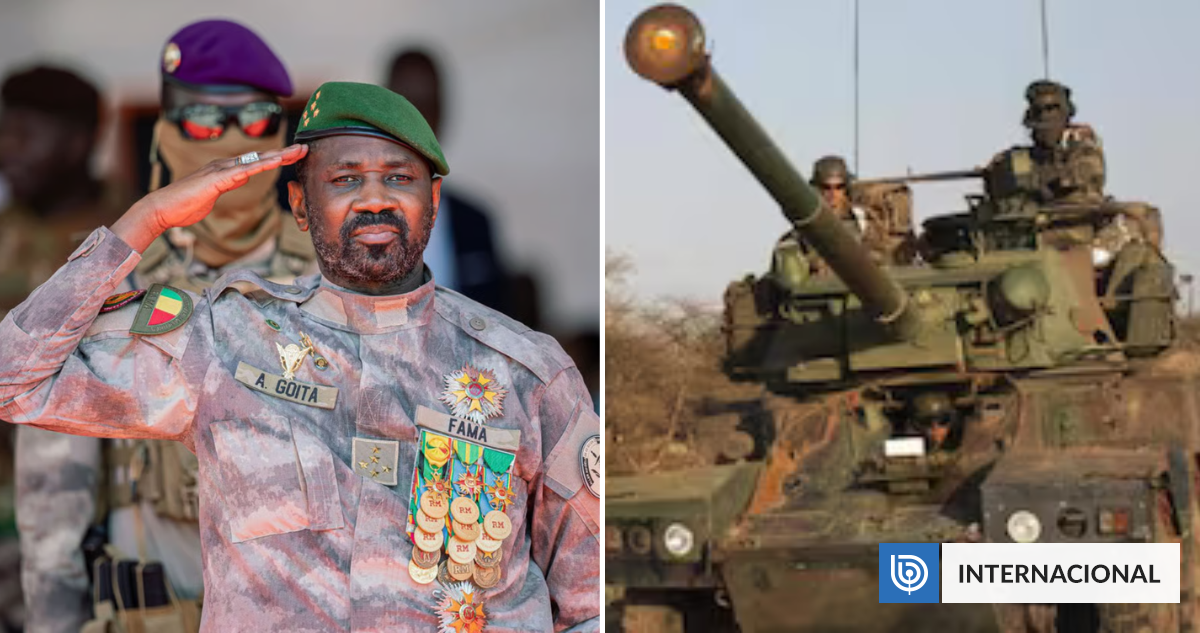
Mali is currently grappling with a surge of volatility as the ruling military junta claims to have thwarted a coup attempt orchestrated by jihadist rebels, while simultaneously facing a renewed offensive from Tuareg separatists in the north. The nation, which has transitioned through multiple coups in recent years, is now a primary battleground for a complex conflict involving state forces, ethnic insurgents, and Russian paramilitary elements.
The current instability marks a critical juncture for the transition government led by Colonel Assimi Headïta. The junta’s assertions of a foiled coup approach amid a backdrop of deteriorating security across the Sahel, where the withdrawal of Western military missions—most notably the French Operation Barkhane and the UN’s MINUSMA mission—has left a security vacuum that the Malian Armed Forces (FAMa) and their Russian allies have struggled to fill.
This escalation is not merely a localized clash but a symptom of a broader strategic shift. By pivoting away from traditional Western partnerships and embracing the Russian “Africa Corps,” the junta has sought to consolidate power through hardline military tactics. Still, this strategy has coincided with a spike in violence and a resurgence of the Tuareg-led insurgency in the Kidal region, raising questions about the long-term viability of the regime’s security architecture.
The Junta’s Claims of a Foiled Coup
The Malian military leadership recently announced that it had neutralized a plot aimed at overthrowing the government, attributing the attempt to “jihadist rebels.” While the junta has used these claims to justify intensified military operations and a crackdown on armed groups, independent verification of the scale and nature of the plot remains limited. In many instances, the transition government has categorized significant rebel attacks as “coup attempts” to frame insurgent activity as a direct threat to national sovereignty rather than a symptom of ethnic and political grievances.
The junta has vowed to “neutralize” all armed groups following these events, signaling a move toward a total military solution. This approach has historically led to increased tensions with civilian populations in the north and center of the country, where the lines between separatist rebels and jihadist militants often blur during combat operations.
The Tuareg Insurgency and the Struggle for Kidal
The security crisis has been exacerbated by the activities of Tuareg rebels, specifically the Permanent Strategic Framework (CSP-PSD), which seeks greater autonomy or independence for the northern regions. The strategic city of Kidal has become the epicenter of this conflict. In a significant blow to the junta’s prestige, Russian paramilitaries and the Malian army were forced to retreat from Kidal after the city was recaptured by Tuareg separatists via France 24.
The loss of Kidal is more than a tactical defeat; it is a symbolic failure of the junta’s promise to restore territorial integrity. The Tuareg rebels have since vowed that the current regime “will fall,” urging Russian forces to withdraw from Malian soil. The rebels argue that the presence of foreign mercenaries has only served to inflame local tensions and increase the frequency of human rights abuses.
The conflict in the north is characterized by highly mobile guerrilla warfare. The CSP-PSD utilizes its knowledge of the desert terrain to ambush FAMa convoys, often leaving the military reliant on Russian air support and drone strikes. Despite these assets, the inability of the state to maintain a permanent presence in Kidal highlights the limits of the current military strategy.
Russia’s Evolution: From Wagner to Africa Corps
The nature of Russia’s involvement in Mali has undergone a significant structural transformation. The Wagner Group, which previously operated as a semi-autonomous mercenary entity, has been largely integrated into the “Africa Corps,” a more formalized wing of the Russian Ministry of Defense. This transition is intended to give the Kremlin tighter control over its operations in Africa, ensuring that military support for the junta aligns directly with Russian foreign policy goals.
The Africa Corps provides the junta with essential services, including regime security, intelligence gathering, and tactical support in the field. However, this partnership comes with a high cost. The reliance on Russian forces has alienated Mali from its neighbors and Western partners, contributing to its suspension from the Economic Community of West African States (ECOWAS) in the past and creating diplomatic isolation.
Reports from the ground indicate that the partnership has been strained by the high casualty rates among Russian personnel during engagements with both jihadist groups and Tuareg rebels. The perceived failure of these forces to decisively end the insurgency has led to increased friction between the Malian military command and their Russian counterparts.
The Human Cost and High-Level Casualties
The volatility of the conflict has reached the highest levels of the Malian state. In a stark illustration of the rebels’ reach, the Malian defense minister was killed during a wave of coordinated rebel attacks via BBC. The assassination of a top military official underscores the vulnerability of the junta’s leadership despite the presence of elite Russian security details.
For the civilian population, the conflict has been catastrophic. The “neutralization” campaigns launched by the junta often result in collateral damage, with reports of indiscriminate shelling and summary executions in villages suspected of harboring rebels. This violence has driven thousands of internally displaced persons (IDPs) into overcrowded camps, where access to food, water, and medical care is severely limited.
the collapse of the 2015 Algiers Peace Accord—which had previously provided a framework for dialogue between the government and northern rebels—means there is currently no viable diplomatic path to peace. The junta’s insistence on a military-first approach has effectively closed the door on negotiations, leaving the population trapped between a hardline government and an emboldened insurgency.
Key Takeaways: The State of the Mali Crisis
- Regime Stability: The junta claims to have avoided a jihadist-led coup, but remains vulnerable to both internal plots and external rebel offensives.
- Territorial Loss: The retreat of FAMa and Russian forces from Kidal marks a major victory for Tuareg separatists and a strategic failure for the government.
- Russian Pivot: The transition to the “Africa Corps” signifies a more direct involvement of the Russian state in Malian security operations.
- Diplomatic Isolation: The shift toward Russia and the suspension of Western ties have left Mali without traditional diplomatic mediators.
- Escalating Violence: The death of the defense minister highlights the intensity of the current wave of attacks.
What This Means for the Sahel Region
The chaos in Mali is not happening in a vacuum. It is part of a “coup contagion” that has swept through the Sahel, affecting Burkina Faso and Niger. These three nations have formed the Alliance of Sahel States (AES), a mutual defense pact designed to protect their respective juntas from external interference and coordinate their fight against insurgencies.

However, the AES faces a fundamental contradiction: while they claim to be restoring sovereignty, they have replaced Western dependencies with a heavy reliance on Russian military support. If the junta in Bamako continues to lose ground in the north, it could embolden similar movements in Burkina Faso and Niger, potentially leading to a wider collapse of state authority across the central Sahel.
The region is also seeing an increase in the sophistication of jihadist groups, including affiliates of Al-Qaeda and the Islamic State. These groups exploit the chaos caused by the conflict between the state and the Tuareg rebels, recruiting marginalized youth and establishing “shadow governments” in rural areas where the state has completely vanished.
Looking Ahead: Potential Checkpoints
The immediate future of Mali depends on whether the junta can stabilize the Kidal region or if the Tuareg rebels can expand their control toward the capital, Bamako. Observers are closely watching for any signs of a renewed diplomatic effort, though none are currently on the horizon.
The next critical checkpoint will be the upcoming review of the AES security agreements, where the three member states are expected to coordinate their strategies for managing Russian influence and countering the resurgence of separatist movements. Any official statement from the Russian Ministry of Defense regarding the operational status of the Africa Corps in the Sahel will provide clues as to whether Moscow intends to escalate its commitment or pivot its resources elsewhere.
As the conflict evolves, the international community remains concerned that Mali could become a permanent sanctuary for transnational terrorist organizations, with the current instability providing the ideal environment for such groups to plan attacks beyond the borders of the Sahel.
World Today Journal will continue to monitor the situation in Bamako and the Kidal region. We invite our readers to share their perspectives on the regional security crisis in the comments below.