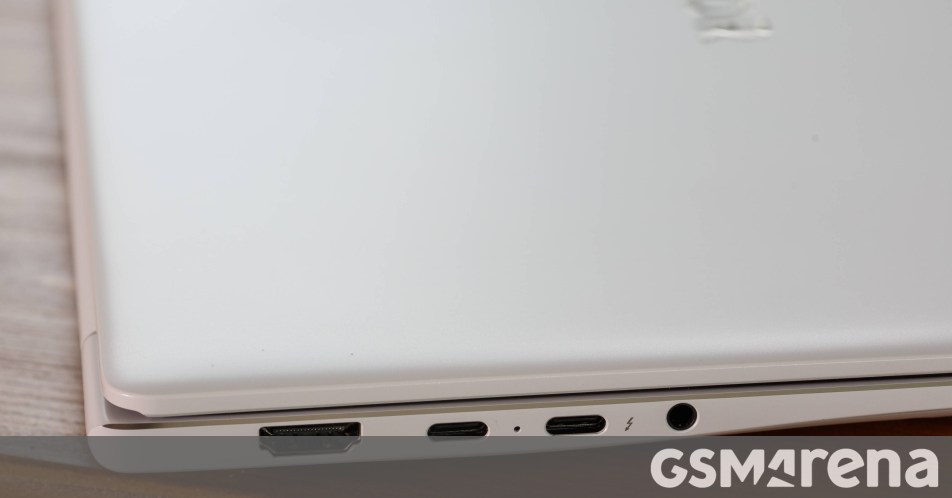
EU Mandates USB-C Charging for Laptops, Expanding Common Charger Rule
Brussels – A latest European Union directive requiring laptops sold within the bloc to adopt USB-C charging came into effect on Tuesday, April 28, 2026. This expands the EU’s existing common charger rules, initially implemented for mobile phones, tablets, and other portable devices in December 2024, to include a broader range of electronics. The move aims to reduce electronic waste and simplify charging for consumers across Europe. This latest step in the EU’s push for greater standardization in technology is expected to impact major laptop manufacturers and ultimately benefit consumers through increased convenience and cost savings.
The directive, approved by the European Parliament in 2022, mandates that all new laptops sold in the EU must be equipped with at least one USB-C port capable of supporting charging. The European Commission initially estimated that the common charger rules, when fully implemented, would save consumers approximately €250 million annually. The EU Common Charger Directive is a key component of the EU’s broader circular economy action plan, designed to promote sustainability and reduce waste.
A Phased Approach to Universal Charging
The implementation of the USB-C standard has been phased. The initial rules, taking effect in December 2024, covered a wide array of portable electronic devices, including mobile phones, tablets, digital cameras, headphones, videogame consoles, and portable speakers. Laptop manufacturers were granted a longer transition period – an additional 16 months – to accommodate the more complex redesign and engineering challenges associated with integrating USB-C into larger devices. This phased approach reflects the EU’s understanding of the varying technical hurdles faced by different sectors of the electronics industry.
The decision to extend the deadline for laptops was based on technical considerations related to power delivery. Laptops often require higher wattage charging than smaller devices, necessitating more robust USB-C implementations. The directive specifically addresses this by requiring USB-C charging for laptops with a power requirement of 100W or less. This ensures compatibility with the existing USB-C Power Delivery (PD) standard, which is widely supported by chargers and power banks.
Reducing E-Waste and Promoting Sustainability
One of the primary drivers behind the EU’s common charger initiative is the significant amount of electronic waste generated by discarded chargers. According to the EU, approximately 11,000 tonnes of electronic waste are attributable to discarded and unused chargers each year. RTÉ News reports that the directive is designed to reduce this environmental footprint by minimizing the production and disposal of redundant chargers.
The move towards a universal charging standard is expected to have a ripple effect throughout the electronics industry. By reducing the need for proprietary chargers, manufacturers can streamline their product offerings and lower production costs. Consumers, in turn, will benefit from the ability to use a single charger for multiple devices, reducing clutter and saving money. The standardization also encourages the development of more efficient and sustainable charging technologies.
Apple’s Transition to USB-C
The shift to USB-C has already been underway for some major tech companies. In 2023, Apple proactively replaced its proprietary Lightning connector with USB-C on its newest iPhone models, anticipating the EU’s Common Charger Directive. This move demonstrated a willingness by Apple to adapt to the evolving regulatory landscape and embrace industry standards. The transition to USB-C across Apple’s product line is now largely complete, positioning the company to comply with the EU’s regulations and meet consumer demand for a more universal charging solution.
The adoption of USB-C by Apple, and now the mandatory implementation for laptops, signals a broader industry trend towards standardization. Even as some manufacturers initially resisted the change, citing concerns about innovation and compatibility, the benefits of a common charger – reduced e-waste, increased consumer convenience, and lower costs – have ultimately outweighed these concerns.
Impact on Consumers and the Tech Industry
For consumers, the EU’s USB-C mandate means greater convenience and potential cost savings. The ability to use a single charger for a wider range of devices simplifies travel and reduces the need to purchase multiple chargers. It also fosters a more competitive market, as consumers are less locked into specific brands or ecosystems. The standardization of charging speeds, as mandated by the directive, further enhances the user experience.
The tech industry is adapting to the new regulations by redesigning products and streamlining supply chains. Laptop manufacturers are incorporating USB-C ports into their latest models and optimizing charging protocols to ensure compatibility with the USB-C Power Delivery standard. The transition requires investment in new tooling and engineering expertise, but it also presents opportunities for innovation in charging technology. The directive is expected to spur the development of more efficient and sustainable charging solutions, benefiting both manufacturers and consumers.
Looking Ahead: Enforcement and Future Developments
The enforcement of the USB-C mandate will be overseen by national authorities within the EU member states. These authorities will be responsible for conducting market surveillance and ensuring that manufacturers comply with the directive’s requirements. Penalties for non-compliance may include fines and product recalls. The EU Commission will also continue to monitor the implementation of the directive and assess its impact on the market.
The success of the USB-C mandate for laptops could pave the way for further standardization in other areas of consumer electronics. The EU is already exploring options for regulating other aspects of device design, such as battery life and repairability, to promote sustainability and consumer rights. The common charger initiative serves as a model for how the EU can leverage its regulatory power to drive innovation and address environmental challenges.
Key Takeaways
- The EU’s common charger rule now applies to all new laptops sold within the European Union, requiring USB-C charging for devices rated at 100W or less.
- The directive aims to reduce electronic waste, estimated at 11,000 tonnes annually from discarded chargers.
- Apple proactively transitioned to USB-C on its iPhones in 2023, anticipating the EU’s regulations.
- Consumers will benefit from increased convenience and potential cost savings by using a single charger for multiple devices.
- Enforcement will be overseen by national authorities within EU member states, with penalties for non-compliance.
The EU’s commitment to a universal charging standard represents a significant step towards a more sustainable and consumer-friendly electronics industry. As the directive is fully implemented and enforced, it is expected to have a lasting impact on the way we charge our devices and manage electronic waste. Further updates on the implementation and enforcement of the directive will be available on the European Commission’s website. We encourage readers to share their thoughts and experiences with the new USB-C standard in the comments below.
Keep reading