
U.S. Accuses Sinaloa Governor and Nine Officials of Drug Trafficking Ties
Washington D.C. – In a stunning development, the United States government has formally accused Rubén Rocha Moya, the current governor of the Mexican state of Sinaloa and nine other state officials of involvement in drug trafficking. The accusations, announced on Wednesday, allege a pattern of collaboration with powerful criminal organizations operating within the region, long considered a stronghold for drug cartels. This case marks a significant escalation in cross-border efforts to combat the flow of illicit narcotics and represents a direct challenge to Rocha Moya’s administration. The allegations arrive at a sensitive time for U.S.-Mexico relations, already strained by ongoing debates over immigration and border security.
The U.S. Government is seeking the extradition of Rocha Moya and the nine officials to face charges in American courts. While the specific details of the evidence supporting these accusations remain largely undisclosed, officials have indicated that the case is based on extensive investigations involving surveillance, financial records, and witness testimony. The Mexican Secretariat of Foreign Relations (SRE) confirmed receipt of the extradition requests, stating that the documentation has been forwarded to the Attorney General’s Office (FGR) for review. However, the SRE also emphasized that the U.S. Accusations lack supporting evidence, a point that has fueled criticism from within Mexico.
Details of the Accusations and Mexican Response
The accusations against Governor Rocha Moya and the nine officials center around allegations of providing protection, logistical support, and financial assistance to drug cartels in exchange for bribes and other forms of illicit payment. The U.S. Department of Justice has not yet released a detailed indictment outlining the specific charges, but sources familiar with the investigation suggest that the alleged offenses include conspiracy to traffic narcotics, money laundering, and obstruction of justice. The timing of these accusations is particularly noteworthy, occurring amidst heightened scrutiny of corruption within Mexican government institutions.
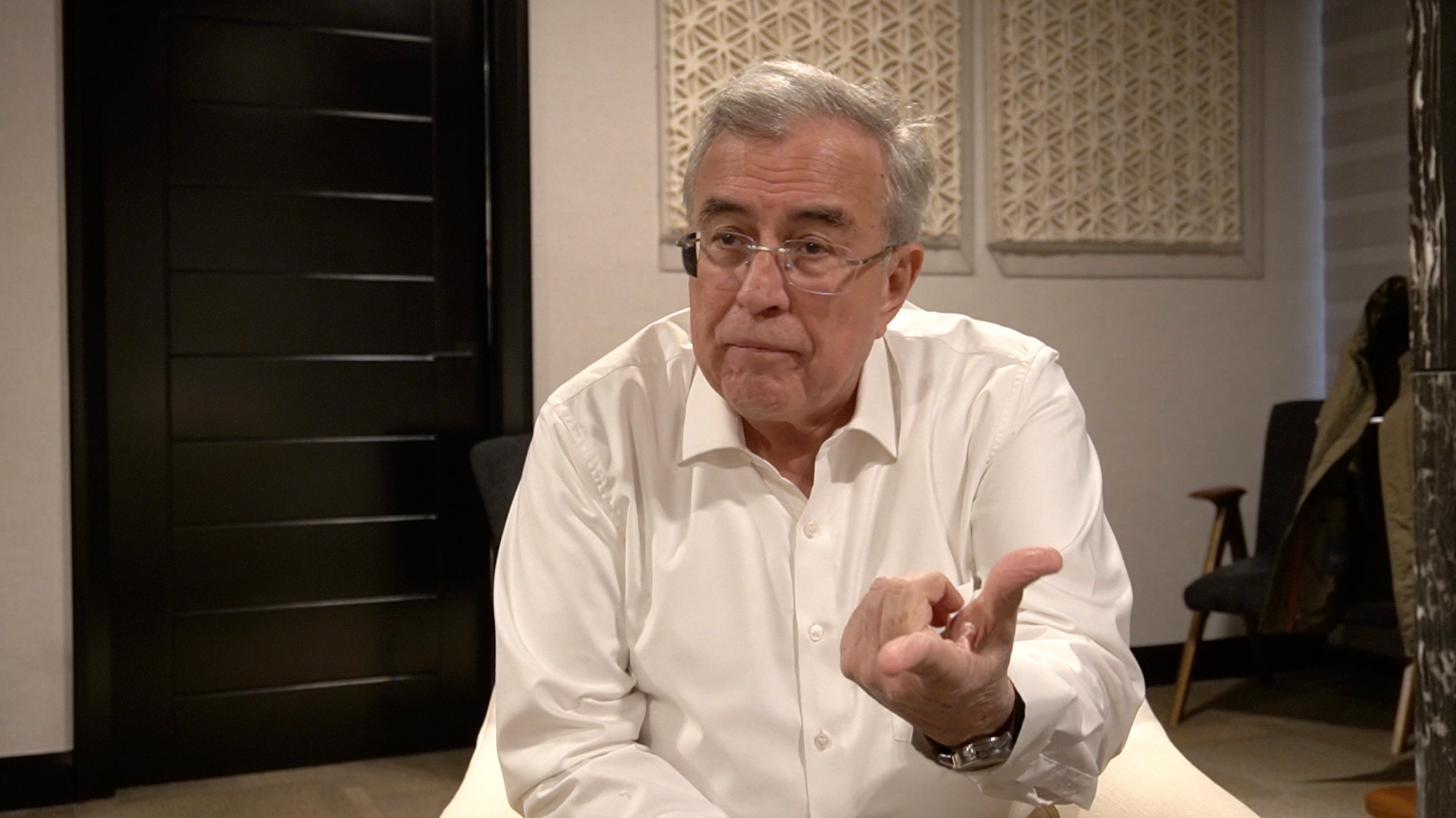
The Mexican government’s response has been measured, but firm. The SRE, in a statement released Wednesday, acknowledged the extradition requests but underscored the absence of concrete evidence presented by the U.S. Authorities. “The Government of Mexico respects the sovereignty of other nations, but insists on due process and the presentation of irrefutable evidence to support such serious accusations,” the statement read. The SRE further indicated that the extradition process will be conducted in full compliance with Mexican law and international treaties. This stance reflects a growing assertiveness from the López Obrador administration in defending its officials against external scrutiny.
The lack of publicly available evidence has drawn criticism from opposition parties within Mexico. Senadora Lilly Téllez of the Partido Acción Nacional (PAN) publicly criticized Rocha Moya, calling for a thorough investigation into the allegations. Similarly, members of the Partido Revolucionario Institucional (PRI) in the Chamber of Deputies have demanded a full accounting of the governor’s activities and a transparent investigation into the accusations. These calls for investigation highlight the political ramifications of the U.S. Accusations and the potential for a deepening political crisis within Sinaloa.
Sinaloa’s Strategic Importance and Cartel Activity
Sinaloa holds a pivotal position in the landscape of Mexican drug trafficking. The state is the traditional home of the Sinaloa Cartel, one of the most powerful and well-established criminal organizations in the world. Despite the cartel’s fragmentation following the arrest and extradition of its leader, Joaquín “El Chapo” Guzmán, Sinaloa remains a key transit point for narcotics destined for the United States. The state’s rugged terrain, extensive coastline, and established smuggling routes develop it an ideal location for illicit activities.
The U.S. Government has long expressed concern about the level of corruption within Sinaloa’s state government, alleging that local officials have been complicit in protecting cartel operations. Previous investigations have implicated numerous individuals in the state government in acts of bribery, extortion, and violence. The current accusations against Governor Rocha Moya and his officials represent a significant escalation in these efforts to dismantle the network of corruption that enables cartel activity. The U.S. Drug Enforcement Administration (DEA) has been actively involved in gathering intelligence and building cases against individuals linked to the Sinaloa Cartel, and the current accusations are the result of years of investigation.

The accusations against Rocha Moya and the nine officials come as Mexico grapples with a surge in violence linked to cartel activity. The country has experienced record levels of homicides in recent years, and drug-related violence continues to plague many regions. The López Obrador administration has adopted a strategy of focusing on addressing the root causes of crime, such as poverty and inequality, but critics argue that this approach has been insufficient to curb the power of the cartels. The U.S. Government has repeatedly urged Mexico to take a more aggressive approach to combating drug trafficking and dismantling criminal organizations.
Potential Implications and Next Steps
The accusations against Governor Rocha Moya and the nine officials have far-reaching implications for both Mexico and the United States. If the extradition requests are granted and the accused are convicted in U.S. Courts, it would send a strong message that the U.S. Government is committed to holding corrupt officials accountable. However, the extradition process is likely to be protracted and contentious, and the Mexican government may resist efforts to hand over its officials. The outcome of this case could significantly impact the future of U.S.-Mexico relations and the ongoing efforts to combat drug trafficking.
The case also raises questions about the extent of corruption within the Mexican government and the challenges of combating organized crime. If the accusations against Rocha Moya and his officials are substantiated, it would further erode public trust in government institutions and fuel calls for greater transparency and accountability. The Mexican government will likely face increased pressure to address corruption and strengthen its law enforcement capabilities.
The next steps in this case will involve the FGR reviewing the extradition requests and determining whether there is sufficient evidence to proceed. If the FGR approves the requests, the case will be presented to a Mexican judge, who will ultimately decide whether to grant the extradition. The U.S. Government is expected to continue to press Mexico to cooperate fully with the investigation and to ensure that those responsible for drug trafficking are brought to justice. The situation remains fluid, and further developments are expected in the coming weeks and months.
As the legal processes unfold, the international community will be closely watching the developments in this case. The outcome will not only impact the fight against drug trafficking but also shape the broader relationship between the United States and Mexico. The accusations against Governor Rocha Moya and his officials underscore the complex challenges of addressing organized crime and the importance of international cooperation in combating this global threat.
Key Takeaways:
- The U.S. Government has accused Sinaloa Governor Rubén Rocha Moya and nine officials of drug trafficking ties.
- Mexico’s SRE acknowledged the extradition requests but stated the accusations lack supporting evidence.
- Sinaloa is a key transit point for narcotics and has a history of corruption within its government.
- The case has significant implications for U.S.-Mexico relations and the fight against drug trafficking.
Stay tuned to World Today Journal for further updates on this developing story. We encourage you to share your thoughts and perspectives in the comments below.
Worth a look