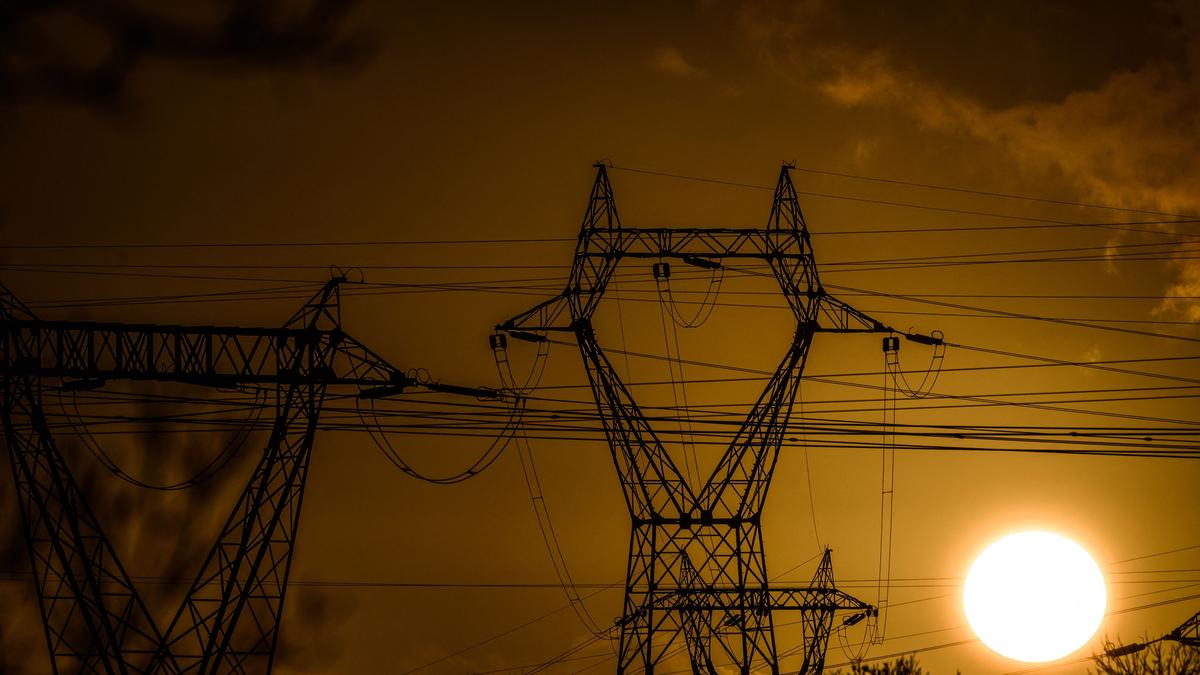
Kerala Power Crisis Eases as Restrictions Remain Largely Nominal
Thiruvananthapuram – The state of Kerala is experiencing a temporary reprieve from a severe power crisis, with restrictions now described as largely nominal by the Kerala State Electricity Board (KSEB). The easing comes after a period of record electricity demand and the implementation of what KSEB termed “peak load management,” involving temporary power cuts ranging from 15 to 30 minutes. While the situation has improved, officials are urging consumers to cooperate by regulating electricity usage during peak hours to prevent a resurgence of the crisis.
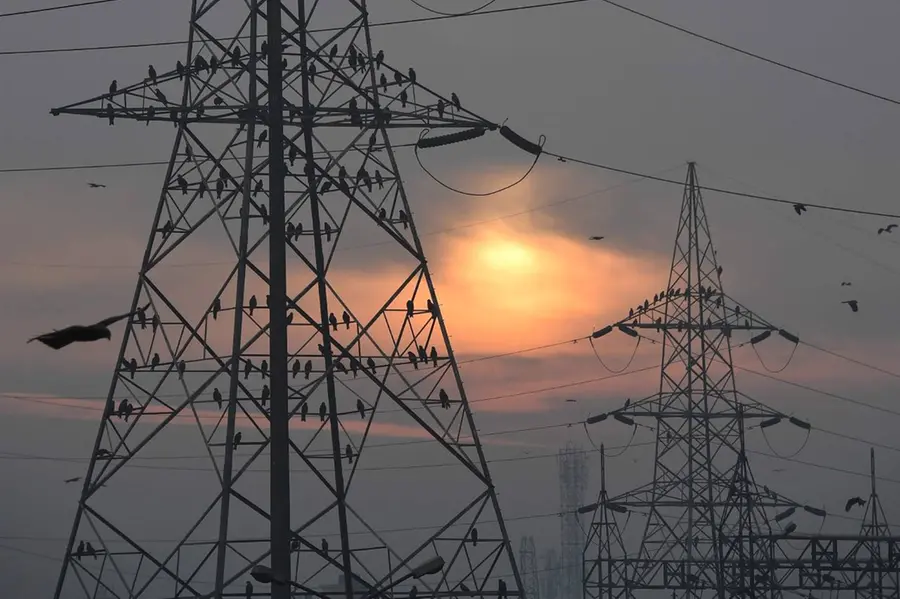
The KSEB announced the temporary power cuts on April 27, 2026, citing electricity demand exceeding all previous expectations. The restrictions, initially met with some public frustration, were implemented as a measure to stabilize the grid amidst soaring temperatures and increased consumption. KSEB officials have emphasized their commitment to providing uninterrupted electricity to all consumers, maximizing domestic production and procuring power from external sources.
Demand Driven Outages, Not Load Shedding
KSEB has clarified that the current measures are not traditional “load shedding,” but rather demand-driven outages designed to manage peak consumption. This distinction, highlighted by KSEB, aims to address public misconceptions surrounding the restrictions. The board stated that media reports characterizing the measures as load shedding were misinterpretations of official communications. The KSEB is proactively notifying consumers of impending power cuts via SMS, allowing for some level of preparation.
The situation in Kerala reflects a broader trend of increasing electricity demand across India, particularly during the ongoing heatwave. Reports indicate that several states in northern India are facing significant power shortages, with some areas experiencing prolonged outages. Deshabhimani reported that the country as a whole is grappling with a severe electricity shortage, with northern regions particularly affected.
Public Reaction and Concerns
The initial implementation of the power cuts sparked some localized protests, with reports of celebratory, albeit disruptive, behavior in some areas. Manorama Online reported instances of firecrackers being set off and candles being lit in front of KSEB offices in some locations, seemingly in response to the outages. However, the KSEB maintains that the restrictions are a necessary step to ensure the stability of the power grid and prevent more widespread and prolonged disruptions.
Concerns remain about the potential impact of the power cuts on businesses and households, particularly during the ongoing heatwave. The increased reliance on alternative power sources, such as generators, could likewise contribute to environmental pollution and increased costs for consumers. The KSEB is actively monitoring the situation and adjusting the restrictions as needed to minimize disruption while maintaining grid stability.
Factors Contributing to the Crisis
Several factors have converged to create the current power crisis in Kerala. The unusually high temperatures have led to a surge in demand for cooling appliances, such as air conditioners, and fans. Simultaneously, reduced rainfall has lowered hydroelectric power generation, a key source of electricity for the state. Disruptions in the supply of coal, a fuel source for thermal power plants, have added to the challenges.
The KSEB is working to address these challenges by maximizing domestic power generation from all available sources, including thermal, wind, and solar. The board is also procuring power from other states to supplement local supply. However, officials acknowledge that the situation remains delicate and requires continued cooperation from consumers.
Government Response and Future Outlook
The state government has been actively involved in addressing the power crisis, coordinating with the KSEB and other stakeholders to ensure a stable power supply. The government has also launched public awareness campaigns to encourage energy conservation and responsible electricity usage. Madhyamam reported on the urgency of the situation, emphasizing the need for responsible energy consumption amidst the escalating heat.
Looking ahead, the KSEB is investing in infrastructure upgrades and renewable energy projects to enhance the state’s power generation capacity and reduce its reliance on fossil fuels. These initiatives are expected to contribute to a more sustainable and resilient power system in the long term. However, officials caution that the immediate challenges require continued vigilance and cooperation from all stakeholders.
The KSEB has stated that the current restrictions are expected to remain in place for the time being, but will be reviewed regularly based on demand and supply conditions. Consumers are encouraged to check the KSEB website and social media channels for the latest updates and information on power cut schedules.
Key Takeaways
- Kerala is currently experiencing temporary power cuts due to record electricity demand.
- The KSEB has clarified that these are demand-driven outages, not traditional load shedding.
- Consumers are urged to cooperate by regulating electricity usage during peak hours.
- The state government is working to address the crisis through infrastructure upgrades and renewable energy projects.
- The situation remains delicate and requires continued vigilance and cooperation from all stakeholders.
The KSEB will continue to monitor the situation closely and provide updates as needed. Consumers are encouraged to share their thoughts and experiences in the comments below. Please also share this article with your network to help raise awareness about the power crisis and the importance of energy conservation.
Related reading