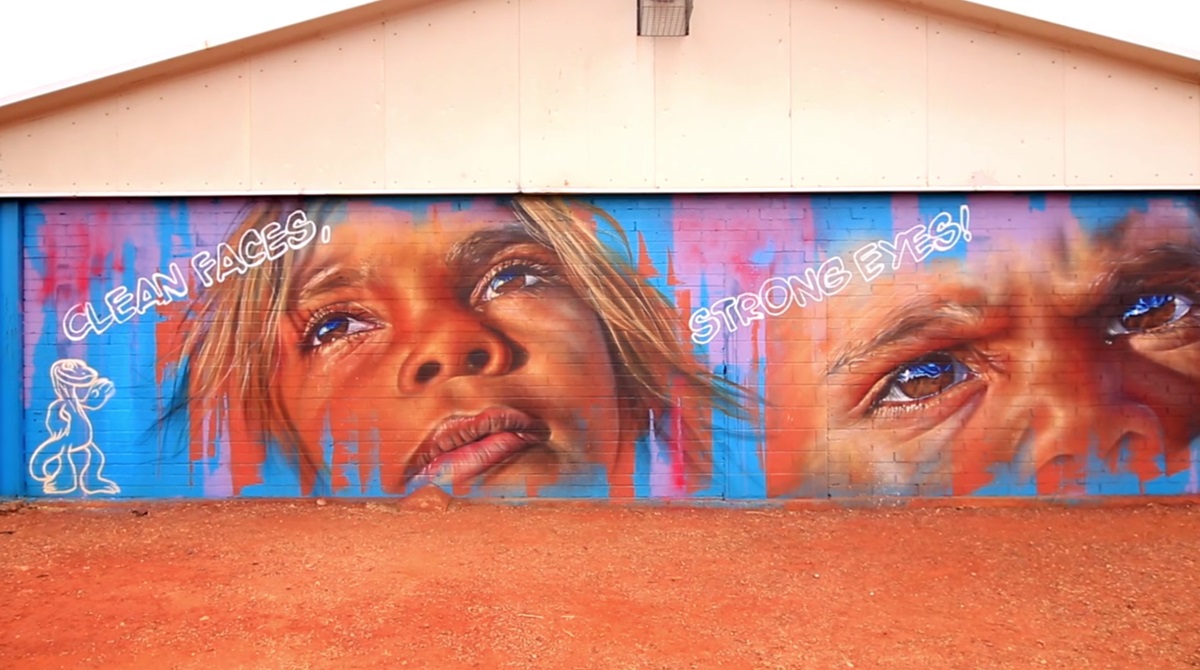
Australia has reached a historic milestone in public health, receiving official validation from the World Health Organization (WHO) for its success to eliminate trachoma as a public health problem. This achievement marks a pivotal victory for the health of Indigenous peoples and represents a significant leap forward in the global campaign to eradicate neglected tropical diseases (NTDs).
As a physician and health journalist, I have seen how “neglected” diseases often persist not because of a lack of medical solutions, but because of systemic inequities in access to care. Trachoma, the world’s leading infectious cause of blindness, is a textbook example of such a disease. For decades, it persisted in remote Aboriginal and Torres Strait Islander communities even after it had disappeared from the rest of the Australian population. The WHO’s validation confirms that this gap has finally been closed.
Australia now joins a growing list of nations that have successfully eliminated the disease, contributing directly to the targets established in the WHO road map for NTDs 2021–2030. This success is not merely a statistical win; it is a testament to the power of community-led health interventions and sustained political will.
“WHO congratulates Australia on this important achievement,” said Dr. Tedros Adhanom Ghebreyesus, WHO Director-General. “This success reflects sustained commitment, strong partnerships, and a focus on reaching populations most affected by health inequities. It brings us closer to a world free from the suffering caused by trachoma.”
Understanding Trachoma: The Leading Infectious Cause of Blindness
To understand the magnitude of this achievement, one must understand the nature of the disease. Trachoma is caused by the bacterium Chlamydia trachomatis. Unlike other forms of chlamydia, this specific strain targets the eyes. It spreads rapidly through close contact with infected individuals, via contaminated surfaces, or through flies that transport eye and nose discharge from one person to another.
The path from initial infection to blindness is a leisurely, painful progression. Repeated infections cause the inside of the eyelids to become scarred. Over time, this scarring causes the eyelids to turn inward—a condition known as trichiasis. When the eyelashes rub against the cornea, they cause permanent scarring and opacity, eventually leading to irreversible blindness if left untreated. Because it is entirely preventable, the persistence of trachoma is often viewed as a marker of poverty and a lack of basic infrastructure.
Globally, NTDs are a group of 21 diseases and disease groups that primarily affect the most underserved populations. Together, these conditions affect more than 1 billion people worldwide, typically in areas with limited access to clean water, sanitation, and primary healthcare.
The Road to Victory: Australia’s National Trachoma Management Programme
Australia’s journey to elimination was not an overnight success but the result of decades of targeted public health action. The effort intensified significantly in 2006 with the establishment of the National Trachoma Management Programme. This initiative focused specifically on remote Aboriginal and Torres Strait Islander communities, where the disease had remained endemic.
The program was built on a foundation of coordinated partnerships between federal and state governments, local communities, and Aboriginal community-controlled health services. Rather than relying on a one-size-fits-all approach, Australia adapted its strategy to fit the unique geographical and cultural context of its remote regions. For example, the country utilized targeted treatment based on community-level data instead of the mass drug administration often used in other global contexts.
“Elimination of trachoma is a win for the eye health of communities across Australia, particularly those whose lives have been impacted by a disease that is entirely preventable,” said Mark Butler, Australia’s Minister for Health and Ageing. He attributed the milestone to “Aboriginal and Torres Strait Islander leadership, community commitment and sustained investment over many decades.”
The SAFE Strategy Explained
Central to Australia’s success was the implementation of the WHO-recommended SAFE strategy. As a medical professional, I identify the SAFE strategy to be one of the most elegant examples of integrated public health, as it addresses both the immediate biological infection and the environmental drivers of the disease:

- S — Surgery: Providing surgical intervention for individuals with trichiasis to prevent the eyelashes from scarring the cornea and causing blindness.
- A — Antibiotics: Using antibiotics to treat active infections and clear the reservoir of Chlamydia trachomatis within the community.
- F — Facial Cleanliness: Promoting hygiene and facial cleanliness to reduce the transmission of the bacteria.
- E — Environmental Improvement: Improving access to clean water, sanitation, and hygiene (WASH) to eliminate the breeding grounds for flies and reduce the spread of the disease.
By integrating these medical interventions with improvements in housing and water infrastructure, Australia was able to create a sustainable decline in trachoma prevalence. This holistic approach ensured that once the disease was cleared, the conditions that allowed it to thrive were also removed.
A Global Blueprint for Neglected Tropical Diseases
Australia’s achievement has broader implications for the Western Pacific Region and the world. The validation marks the first time the WHO has confirmed the elimination of any NTD in Australia. Australia becomes the 63rd country globally and the 16th in the Western Pacific Region to eliminate at least one NTD.
This success demonstrates that elimination is possible even in geographically challenging settings, provided there is a commitment to health equity. Malarndirri McCarthy, Minister for Indigenous Australians, emphasized that the work led by Aboriginal Community Controlled Health Organisations and local health workers in remote First Nations communities was “critical to eliminating trachoma as a public health problem in Australia.”
Dr. Saia Ma’u Piukala, WHO Regional Director for the Western Pacific, noted that tackling NTDs in the region has long been a challenge due to the complexities of reaching vulnerable communities in remote areas. “As a doctor from Tonga, I’ve experienced these challenges for myself,” Dr. Piukala stated. “But I also know that with strategic commitment underpinned by optimal resources and partnerships in health, success is possible.”
The Technical Thresholds of Elimination
In public health, “elimination as a public health problem” has a very specific technical meaning. It does not necessarily mean that every single case of a disease has vanished, but rather that the disease no longer poses a significant threat to the population’s health. According to WHO standards, elimination is defined by three strict criteria:
- Trichiasis Prevalence: The prevalence of trachomatous trichiasis (TT) “unknown to the health system” must be less than 0.2% in individuals aged 15 years and older.
- Follicular Inflammation: The prevalence of trachomatous inflammation—follicular (TF) in children aged 1–9 years must be less than 5% in each formerly endemic district.
- Management Systems: There must be a functioning system in place to identify and manage new incident cases of trichiasis.
By meeting these rigorous benchmarks, Australia has proven that its surveillance and treatment systems are robust enough to prevent the disease from returning to endemic levels.
What Happens Next: Maintaining the Gain
While the elimination of trachoma is a cause for celebration, the work is not finished. Public health officials warn that vigilance is required to ensure the status is maintained. This involves continued surveillance and the integration of NTD monitoring into the broader national health system.
Australia still faces challenges with other endemic NTDs, including leprosy, scabies, and Buruli ulcer. The lessons learned from the trachoma campaign—specifically the importance of culturally safe care and community-led solutions—will now be applied to these remaining conditions. The success of the National Trachoma Management Programme provides a roadmap for how to approach other preventable health conditions in remote and regional Australia.
On a global scale, the target remains the year 2030. The WHO continues to support endemic countries in accelerating their progress toward the global goal of eliminating trachoma worldwide. Australia now stands as a primary example of how political commitment and cross-sectoral collaboration can dismantle the barriers of health inequity.
The next major checkpoint for the global community will be the ongoing progress reports tied to the 2030 NTD roadmap, where the WHO will track how many more nations have successfully transitioned to trachoma-free status.
Do you believe the “SAFE” strategy can be scaled to other neglected diseases in your region? We invite you to share your thoughts and experiences in the comments below.