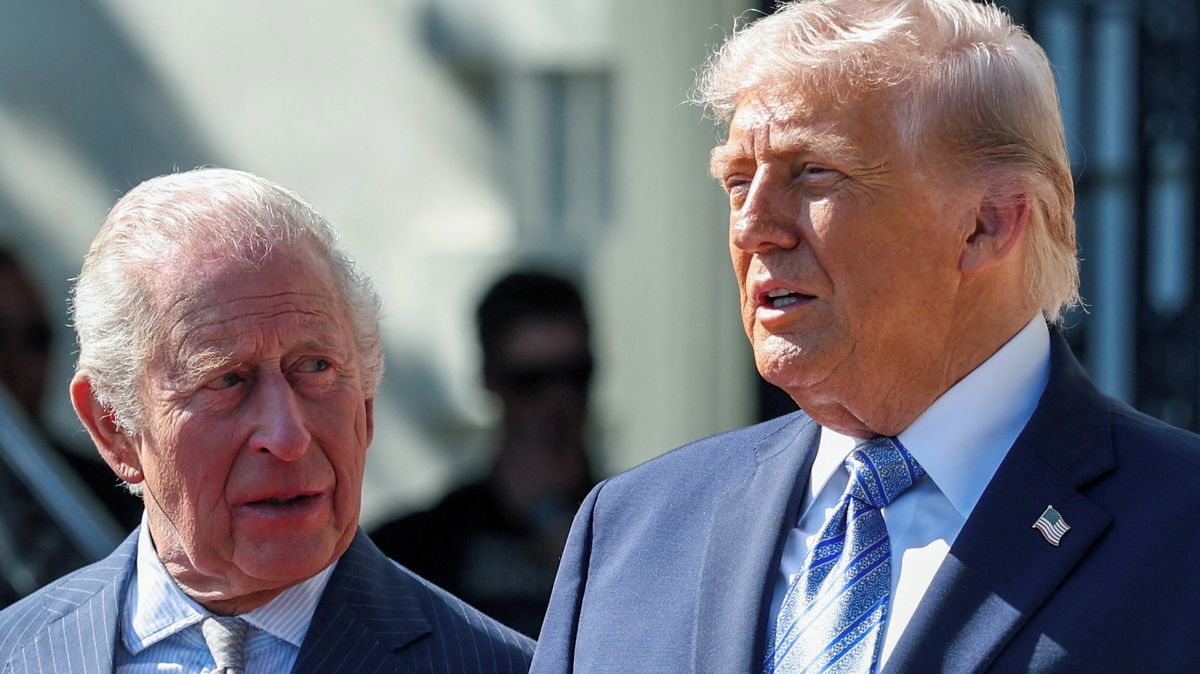
Washington D.C. – In a move hailed as a gesture of strengthened transatlantic relations, President Donald Trump announced on Thursday he is lifting tariffs on Scotch whisky, a decision directly linked to this week’s state visit by King Charles III and Queen Camilla of the United Kingdom. The tariff removal, impacting a key sector of both the U.S. And UK economies, aims to bolster trade specifically related to the production of bourbon and Scotch, both reliant on shared barrel-aging practices.
The announcement came as President Trump and First Lady Melania Trump bid farewell to the King and Queen on the South Lawn of the White House. “In Honor of the King and Queen of the United Kingdom, who have just left the White House, soon headed back to their wonderful Country, I will be removing the Tariffs and Restrictions on Whiskey having to do with Scotland’s ability to work with the Commonwealth of Kentucky on Whiskey and Bourbon,” Trump stated in a post on his Truth Social platform. This decision marks a significant shift in trade policy, reversing a measure initially implemented during a period of trade disputes.
The Barrel Connection: A Transatlantic Industry
The core of the issue lies in the intricate relationship between the American bourbon industry, centered in Kentucky, and the Scottish whisky industry. Both rely heavily on the employ of oak barrels for aging their spirits. Kentucky produces “almost all of the world’s bourbon,” and a substantial portion of those barrels are initially used to age Scotch whisky in Scotland before being shipped to the United States for bourbon production. This cyclical process is a cornerstone of both industries, and the tariffs had disrupted this established trade flow. According to Chris Swonger, president and CEO of the Distilled Spirits Council, U.S. Distillers send approximately $300 million in whiskey casks to the U.K. Annually for aging Irish whiskey and Scotch whisky. USA Today reported on the significance of this barrel trade.

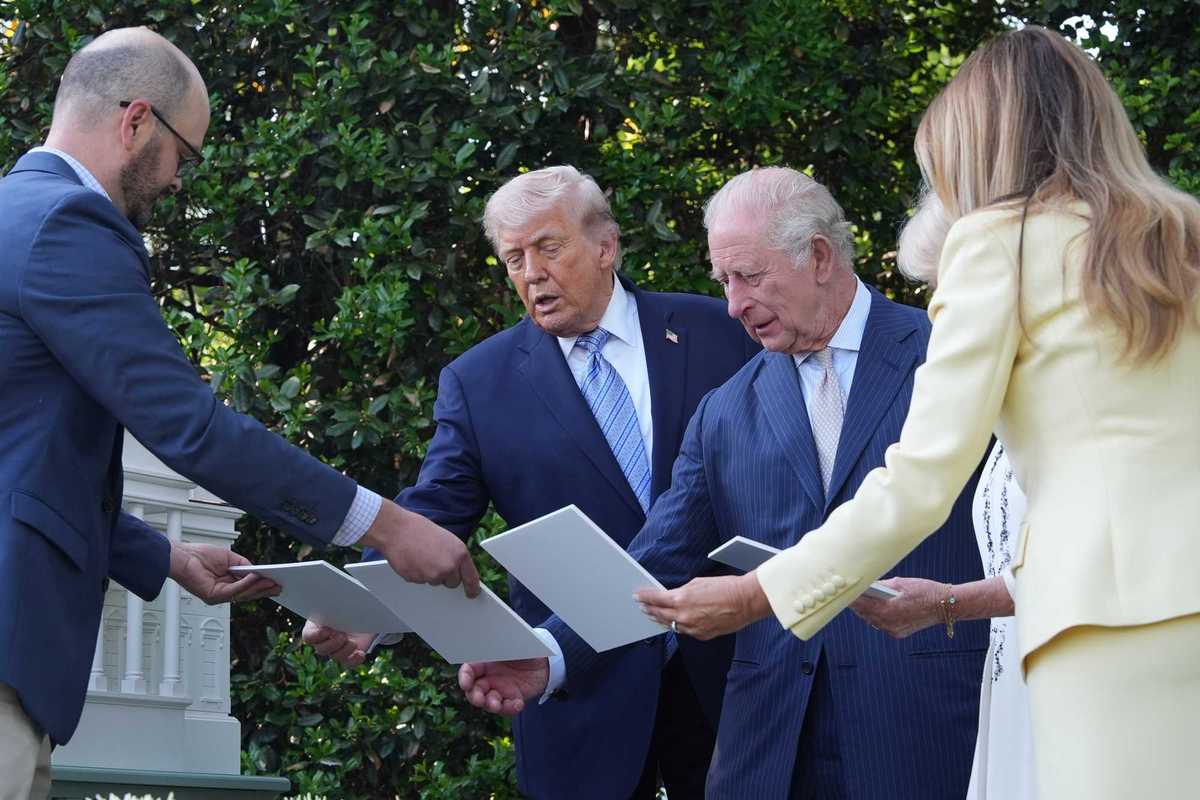
The tariffs, initially imposed in February following a Supreme Court ruling, had been a point of contention for the UK. The removal is expected to have a positive impact on the U.S. Hospitality industry, as well as strengthen the economic ties between the two nations. Swonger emphasized that the lifting of the 10% tariff “will contribute mightily to the U.S. Hospitality industry,” noting the deeply intertwined nature of the U.S. And UK whiskey industries. He playfully summarized the outcome as “Toast, not tariffs.”
A Gesture of Goodwill and Ongoing Negotiations
The timing of the announcement, coinciding with the conclusion of King Charles III and Queen Camilla’s U.S. Visit, underscores the diplomatic dimension of the decision. The move is widely seen as a gesture of goodwill towards the UK, signaling a desire to foster closer ties. The state visit itself included a formal dinner at the White House and meetings with key U.S. Political figures. The Associated Press detailed the events of the royal visit.
Although, the tariff removal is likewise occurring within the context of broader ongoing negotiations between the U.S. And the UK regarding trade in American and British goods. Whereas the specifics of these negotiations remain confidential, the lifting of the whisky tariffs appears to be a component of a larger effort to address trade imbalances and promote economic cooperation. The U.S. Currently does not impose tariffs on U.S. Spirits exported to the UK, creating a favorable trade environment for American distillers in that market.
The Impact on Kentucky Bourbon Producers
Kentucky’s bourbon industry stands to benefit significantly from the tariff removal. Many Kentucky distilleries, including Angel’s Envy and Old Forester, utilize casks previously used to age Scotch whisky, imparting unique flavor profiles to their bourbon. The availability of these seasoned barrels is crucial for maintaining the quality and character of Kentucky bourbon. The tariff relief ensures a continued supply of these barrels, supporting the industry’s growth and innovation. The reciprocal nature of the barrel trade – with Kentucky barrels also being used in Scotch production – highlights the mutual benefits of this economic partnership.
The Distilled Spirits Council has been a vocal advocate for the removal of the tariffs, emphasizing the importance of a free and open trade environment for the spirits industry. Swonger noted that the sharing of barrels for aging spirits is “an important element … (of) the economic ties between our two countries.”
Looking Ahead: Continued Trade Discussions
While the removal of the whisky tariffs represents a positive step, further trade negotiations between the U.S. And the UK are expected to continue. The scope of these discussions is likely to encompass a wide range of goods and services, with the aim of establishing a more comprehensive and mutually beneficial trade relationship. The success of these negotiations will depend on the willingness of both sides to address outstanding trade concerns and find common ground. The current administration has signaled its commitment to strengthening economic ties with key allies, and the UK is a priority partner in this effort.
The tariff relief on Scotch whisky serves as a tangible demonstration of this commitment, and It’s anticipated that this positive momentum will carry over into future trade discussions. The long-term implications of this decision remain to be seen, but the removal of the tariffs has created a more favorable environment for trade between the U.S. And the UK, particularly within the spirits industry.
The next step in this evolving trade relationship will be closely monitored by industry stakeholders on both sides of the Atlantic. Further updates on the ongoing negotiations are expected in the coming months, and the World Today Journal will continue to provide comprehensive coverage of these developments.
What are your thoughts on the tariff removal? Share your comments below and join the conversation.
Keep reading