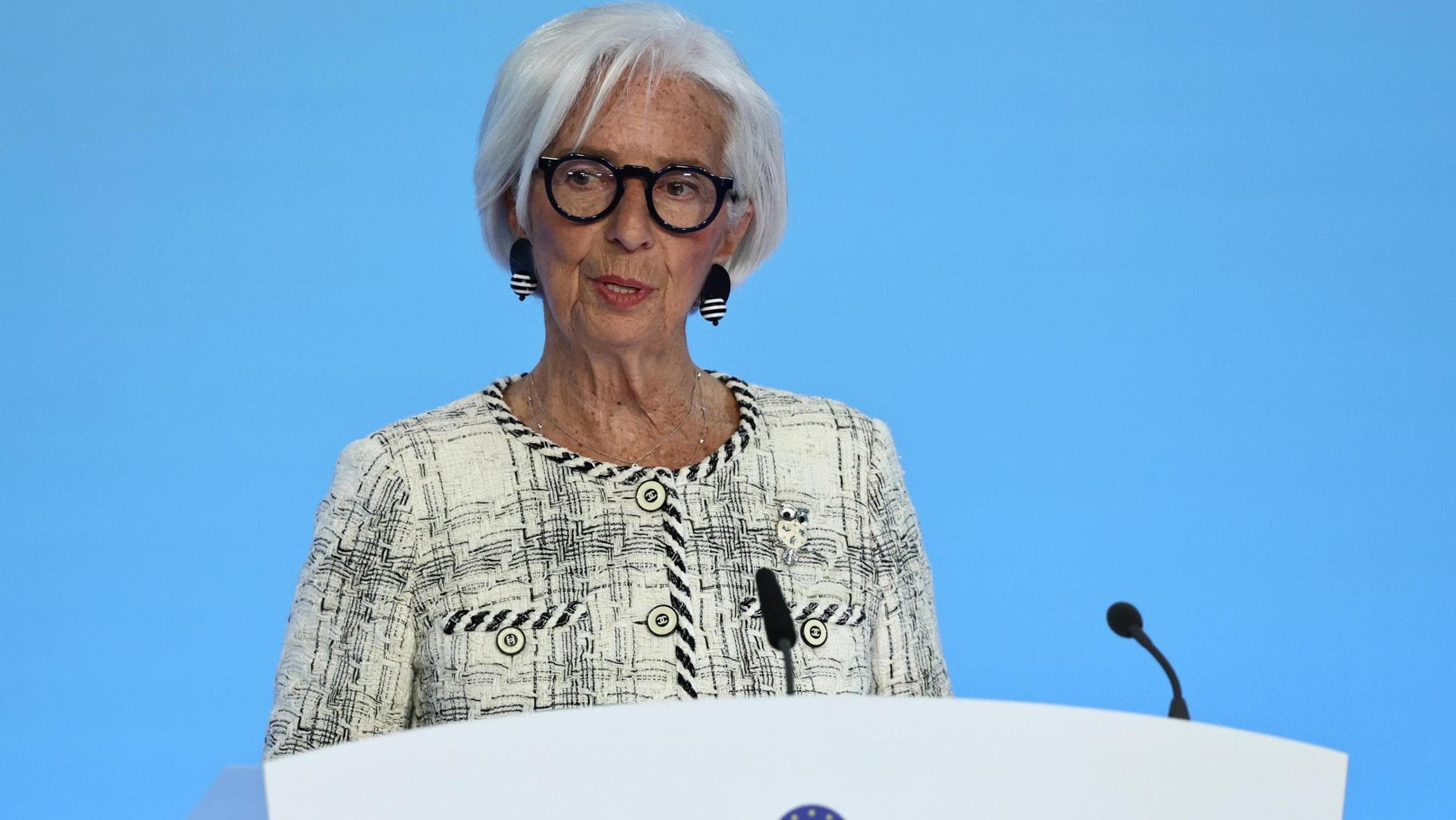
ECB Holds Steady on Interest Rates, Signals Potential Hike in June
The European Central Bank (ECB) maintained its key interest rates at their current levels during its April meeting, but signaled a potential rate increase as early as June, contingent on incoming economic data. This decision comes amidst ongoing debate about the appropriate pace of monetary policy tightening in the Eurozone, balancing the need to curb persistent inflation with concerns about stifling economic growth. The ECB’s governing council stated it will continue to monitor economic developments closely and will not hesitate to adjust its policy stance as necessary.
The main refinancing operations rate remains at 4.50%, the marginal lending facility rate at 4.75%, and the deposit facility rate at 4.00%. These rates have been a central tool in the ECB’s efforts to manage inflation, which, while moderating, remains above the central bank’s 2% target. The decision to hold rates steady reflects a cautious approach, acknowledging the uncertainties surrounding the economic outlook and the potential impact of geopolitical events.
Inflationary Pressures and Economic Outlook
Inflation in the Eurozone has been a significant concern for policymakers, driven by factors such as rising energy prices and supply chain disruptions. While inflation has decreased from its peak in 2023, it remains stubbornly high, prompting the ECB to implement a series of interest rate hikes over the past year. The ECB’s latest economic projections indicate that inflation is expected to gradually decline over the coming months, but the pace of disinflation remains uncertain.
According to the ECB, the expectations of inflation in the long term remain firmly anchored. However, the central bank acknowledges that risks to the economic outlook are tilted to the downside, citing factors such as the ongoing war in Ukraine, global economic slowdown, and potential trade tensions. The ECB’s governing council emphasized the importance of maintaining flexibility in its monetary policy approach to respond effectively to these evolving risks.
Signals of a Potential June Rate Hike
Despite holding rates steady in April, the ECB signaled a strong possibility of a rate hike at its June meeting. This shift in tone suggests that policymakers are becoming more confident that inflation is on a sustainable path towards the 2% target. The ECB’s statement indicated that further data will be crucial in determining the timing and magnitude of any future rate adjustments. Specifically, the ECB will be closely monitoring wage growth, unit labor costs, and other indicators of underlying inflationary pressures.
The potential for a June rate hike has been met with mixed reactions from financial markets. Some analysts believe that a rate hike is warranted to prevent inflation from becoming entrenched, while others argue that it could jeopardize the fragile economic recovery. The impact of a rate hike on borrowing costs for businesses and consumers is a key consideration, as higher rates could dampen investment and consumption.
Impact on Borrowers and the Financial Sector
The ECB’s monetary policy decisions have a significant impact on borrowers and the financial sector. Higher interest rates increase the cost of borrowing for businesses and consumers, potentially leading to a slowdown in economic activity. For homeowners with variable-rate mortgages, higher ECB rates translate directly into higher monthly payments. Facile.it reported that rates on variable mortgages have already increased following the ECB’s recent policy announcements.
Banks and other financial institutions are also affected by the ECB’s monetary policy decisions. Higher interest rates can improve banks’ profitability by increasing their net interest margins, but they can also lead to an increase in loan defaults if borrowers struggle to repay their debts. The ECB closely monitors the health of the financial sector and takes steps to ensure its stability.
Geopolitical Factors and Energy Prices
Geopolitical events, particularly the war in Ukraine, continue to exert a significant influence on the Eurozone economy and the ECB’s monetary policy decisions. The war has led to higher energy prices, supply chain disruptions, and increased uncertainty, all of which contribute to inflationary pressures. Il Manifesto highlights the impact of high crude oil prices, linked to the situation in Ukraine, on the ECB’s deliberations.
Fluctuations in energy prices are a major driver of inflation in the Eurozone, as energy is a key input cost for many businesses. The ECB closely monitors energy markets and assesses the potential impact of price shocks on inflation expectations. The central bank’s monetary policy response is aimed at mitigating the inflationary effects of energy price increases while avoiding a sharp economic downturn.
Looking Ahead: Data Dependence and Policy Flexibility
The ECB’s future monetary policy decisions will be heavily data-dependent, meaning that the central bank will closely monitor economic indicators and adjust its policy stance accordingly. Key data points that will influence the ECB’s decisions include inflation rates, wage growth, economic growth, and unemployment figures. The ECB has emphasized its commitment to maintaining flexibility in its monetary policy approach to respond effectively to evolving economic conditions.
The next ECB policy meeting is scheduled for June, where policymakers will assess the latest economic data and decide whether to raise interest rates. The decision will be a crucial one, as it will signal the ECB’s commitment to tackling inflation while safeguarding the economic recovery. Market participants will be closely watching the ECB’s communication for clues about its future policy intentions.
Key Takeaways
- The ECB held interest rates steady at its April meeting but signaled a potential rate hike in June.
- Inflation remains above the ECB’s 2% target, but is showing signs of moderation.
- Geopolitical events, particularly the war in Ukraine, continue to exert a significant influence on the Eurozone economy.
- The ECB’s monetary policy decisions will be data-dependent and flexible.
- Higher interest rates could impact borrowers and the financial sector.
As the economic landscape continues to evolve, the ECB faces a delicate balancing act between controlling inflation and supporting economic growth. The June meeting will be a critical juncture, and the central bank’s decision will have far-reaching implications for the Eurozone economy. Stay tuned for further updates as the situation unfolds.