
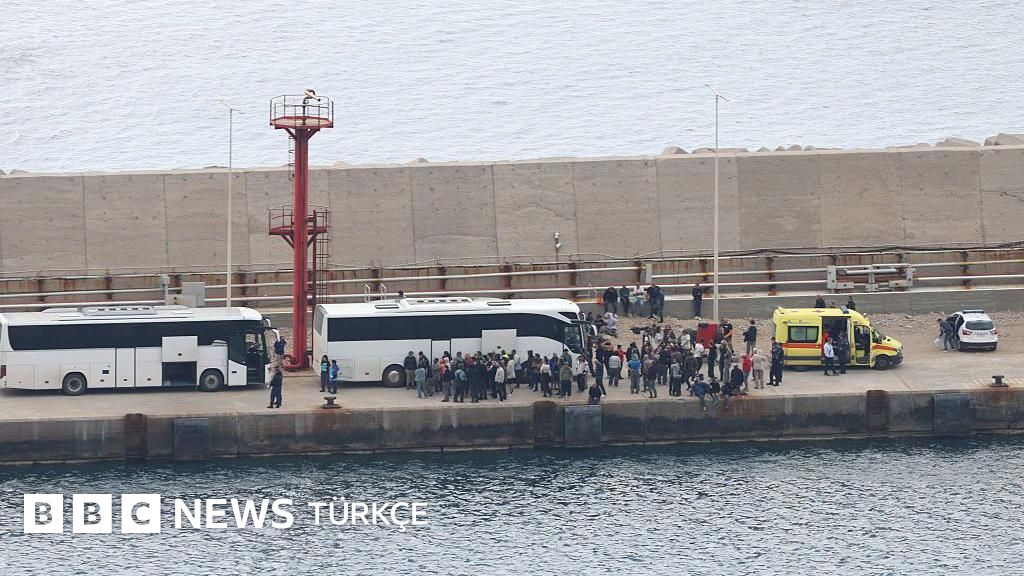
The Israeli Navy intercepted the Global Sumud Flotilla in international waters near the Greek island of Crete in the early hours of April 30, 2026, detaining 175 activists who were attempting to deliver humanitarian aid to the Gaza Strip. The operation, which targeted a convoy of 22 boats, has sparked international condemnation from human rights organizations and diplomatic entities, who describe the seizure as a violation of international law and the freedom of navigation.
Following the interception, the detained participants were transported to Greece, with reports indicating they were brought to the island of Crete. The organizers of the Global Sumud Flotilla (GSF) have denounced the Israeli military action as piracy
, asserting that the activists were seized unlawfully while sailing more than 965km away from the coast of Gaza BBC News.
The raid occurred as the flotilla sought to challenge the maritime blockade imposed by Israel on Gaza. According to reports from the ground, the interception involved the systematic boarding and disabling of several vessels, leading to the immediate detention of the crews. Turkish activists among the detained are reportedly being coordinated for return to Istanbul.
International Law and the ‘Freedom of Navigation’
The interception of the Global Sumud Flotilla has reignited a legal debate over the limits of maritime blockades and the rights of humanitarian missions in international waters. Human rights organizations, including the International Federation for Human Rights (FIDH) and the World Organisation Against Torture (OMCT), have called for the immediate release of all detained activists. In a joint statement, these organizations urged Greek authorities to act swiftly to secure the safety of the participants FIDH.
The legal crux of the dispute centers on the location of the interception. The GSF media team and various monitoring groups maintain that the raid took place in international waters, which would render the seizure a breach of the United Nations Convention on the Law of the Sea (UNCLOS). The OMCT specifically noted that the assaults and abductions of activists constitute serious unlawful acts
that undermine internationally protected navigation rights OMCT.
This incident follows a pattern of previous confrontations between Israeli naval forces and aid flotillas. UN experts had previously warned in September 2025 that any attempt to block such missions would constitute a grave violation of humanitarian principles and international law.
Impact on the Humanitarian Mission
The Global Sumud Flotilla was designed as a multi-national effort to break the blockade and deliver essential supplies to the civilian population in Gaza. The April 30 raid resulted in the disabling of various boats, which the GSF describes as a doctrine of engineered abandonment
by the Israeli military Global Sumud Flotilla Press Release.
The humanitarian impact of the raid is twofold: the immediate loss of aid intended for Gaza and the detention of activists from multiple countries. The presence of Turkish citizens among the detainees has drawn specific attention from Ankara, with efforts underway to ensure their safe return to Turkey.
Timeline of the Interception
| Timeframe | Event | Location |
|---|---|---|
| Early hours, April 30, 2026 | Israeli Navy intercepts 22 boats of the Global Sumud Flotilla | International waters near Crete |
| April 30, 2026 | 175 activists detained and transported to Greece | Crete, Greece |
| April 30, 2026 (Post-Raid) | Human rights groups (FIDH, OMCT) issue condemnation and call for release | Global/Geneva |
| May 1, 2026 | Coordination begins for the return of Turkish activists to Istanbul | Greece/Turkey |
Diplomatic Fallout and Next Steps
The decision to transport the detainees to Greece has placed the Hellenic Republic in a complex diplomatic position. While the activists are currently on Greek soil, the legal status of their detention—initiated by a third-party state (Israel) in international waters—remains a point of contention. The Hellenic League for Human Rights (HLHR) has joined international calls for the Greek government to ensure the activists are not subjected to further unlawful detention.
The incident is expected to be raised in upcoming international forums, including the United Nations, where the State of Palestine and other member states have previously condemned similar Israeli naval actions. The focus now shifts to the legal processing of the 175 detainees and the potential for a diplomatic resolution to facilitate their repatriation.
The next confirmed checkpoint in this developing story is the official confirmation of the departure dates for the Turkish activists returning to Istanbul and any formal response from the Israeli government regarding the legality of the interception in international waters.
We invite our readers to share their perspectives on the balance between maritime security and humanitarian corridors in the comments below.