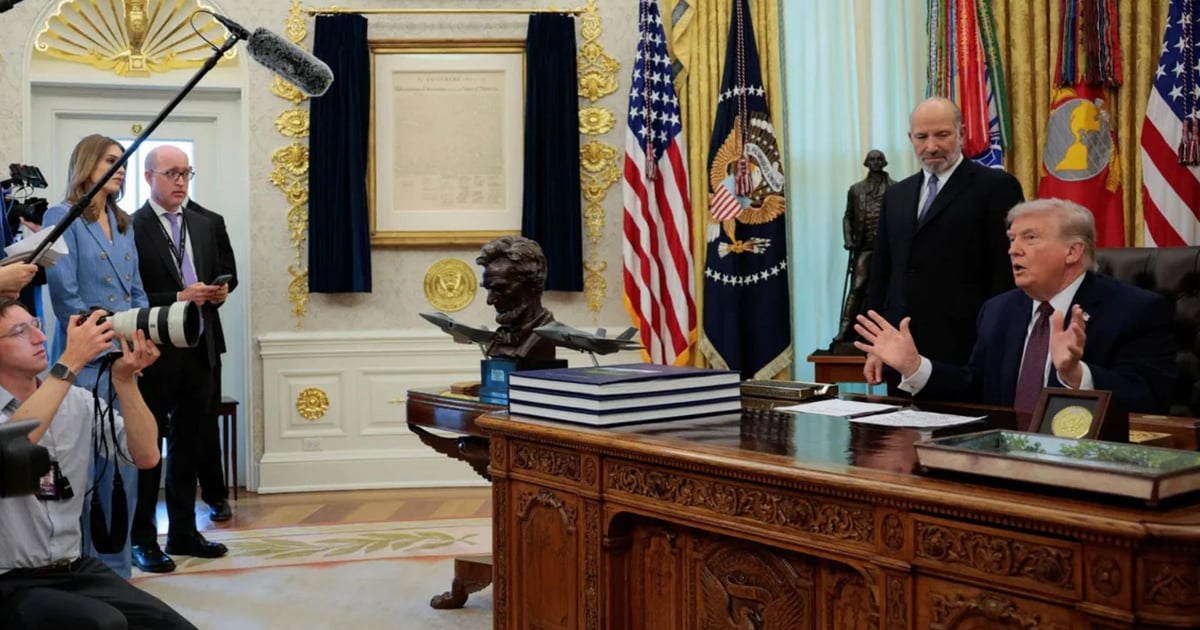
President Donald Trump is expressing deep frustration with European allies over their perceived lack of military support during the ongoing conflict with Iran, according to reports from CBS News. The tension centers on the critical security of the Strait of Hormuz, a vital global shipping lane that has seen traffic nearly grind to a halt due to retaliatory missile and drone fire from Tehran.
The friction comes as the United States and Israel continue a campaign against the Iranian regime, which President Trump claimed has been literally obliterated
as the conflict entered its third week. Despite this assertion, the U.S. Administration is pressing NATO partners and other allies to seize a more active role in securing the Persian Gulf, with the President signaling that American patience with “unhelpful” allies is wearing thin.
This diplomatic rift coincides with a precarious legal and military juncture. As of today, Friday, May 1, 2026, the administration is navigating a critical deadline under the War Powers Resolution of 1973, which limits the use of military force without formal congressional authorization. Although the White House has asserted that hostilities have terminated
to skirt the 60-day legal limit, the continued presence of U.S. Naval forces and a sustained blockade of Iranian ports suggest a conflict that remains very much active.
The Struggle for the Strait of Hormuz
At the heart of the dispute is the Strait of Hormuz, through which roughly a fifth of all crude oil supplies flow. The U.S. And Israel’s war against Iran has turned the region into a high-risk zone, leading President Trump to call for military deployments from other nations to support reopen the lane. However, the European Union—a 27-nation bloc including some of the U.S.’s closest allies—has explicitly rejected these calls for immediate military assistance to reopen the Strait.
The President’s frustration has manifested in public and private outbursts. In a phone call with CBS News, Mr. Trump reiterated his annoyance that countries including the United Kingdom had not sent military assets to join the effort. He has gone as far as to suggest that allies must come in and take care of
the Strait of Hormuz, though he noted he is not ready to withdraw U.S. Assets quite yet
.
The rhetoric has extended to NATO, with the President reportedly weighing plans to punish allies who he feels did not contribute enough to the war. In one instance, he lamented that NATO wasn’t there when we needed them
, signaling a potential shift in how the U.S. Views its security obligations toward partners who do not align with his specific strategic demands in the Middle East.
Military Options and the ‘Token’ Deal
While the U.S. Maintains a naval blockade of Iranian ports, the administration is balancing a “maximum pressure” military strategy with the possibility of a diplomatic exit. President Trump told Axios that he will not lift the blockade until a deal is secured that comprehensively addresses Iran’s nuclear program to address the country’s nuclear progra.
According to sources familiar with the matter, the Pentagon has prepared multiple options for the President. These range from high-risk operations—such as sending American forces into Iran to seize nuclear material—to a more moderate “token” nuclear enrichment deal. Such a proposal would allow Iran a limited amount of enrichment provided there is no possible path to a nuclear bomb.
The current state of play is a fragile ceasefire. President Trump recently gave Iran’s warring factions a short window to unify behind a coherent counter-offer or face the end of the ceasefire. Despite the tension, some reports indicate the President believes Iran is dying for a deal
due to the economic pain caused by the naval blockade.
The War Powers Deadline and Congressional Deference
The timing of these developments is critical due to the May 1 deadline imposed by the War Powers Resolution of 1973. This law requires the President to withdraw forces after 60 days if Congress does not authorize the conflict. To avoid a forced withdrawal of assets from the Persian Gulf, the White House sent a letter to Congress asserting that hostilities have terminated
, effectively arguing that the legal clock has stopped.
Defense Secretary Pete Hegseth has supported this interpretation, suggesting that the countdown clock pauses or stops in a ceasefire
. While this legal maneuver is contested by some analysts, Republican lawmakers have largely deferred to the President, allowing the administration to maintain its military posture without a formal vote of authorization to defer to President Donald Trump.
Strategic Summary: U.S. Options in Iran
| Option | Primary Goal | Key Risk/Requirement |
|---|---|---|
| Sustained Blockade | Economic coercion to force a deal | Continued risk of retaliatory drone/missile fire |
| “Token” Enrichment Deal | Diplomatic resolution of nuclear issue | Must guarantee no path to a nuclear weapon |
| Direct Intervention | Seizure of nuclear materials | High risk of escalation and American casualties |
| Allied Integration | Shared burden of Hormuz security | Requires reversal of EU/NATO reluctance |
What Happens Next
The immediate future of the conflict depends on whether Iran can present a unified “counter-offer” that satisfies the administration’s demands regarding nuclear enrichment and the reopening of the Strait of Hormuz. With the May 1 legal deadline having arrived, the focus now shifts to whether the White House can maintain the naval blockade without a formal congressional mandate or if political pressure will force a change in strategy.
The next confirmed checkpoint will be the outcome of the short window granted by President Trump to Iranian factions to present a coherent peace proposal. Failure to do so could lead to a resumption of full-scale hostilities or the implementation of the “dangerous” military options currently prepared by the Pentagon.
World Today Journal encourages readers to share this report and join the conversation in the comments below regarding the future of U.S.-European relations in the Middle East.
Related reading
- Japan Outraged by Vladimir Putin’s First Visit to Disputed Kuril Islands
- Vietnam’s Rare Earth Ambitions: Can Hanoi Break Its Dependence on China?
- Two Soldiers Dead After Military Apache Helicopter Crashes in Salado, Texas (archynewsy.com)
- Iran Disputes Trump Claims as Strait of Hormuz Traffic Plummets (newsdirectory3.com)